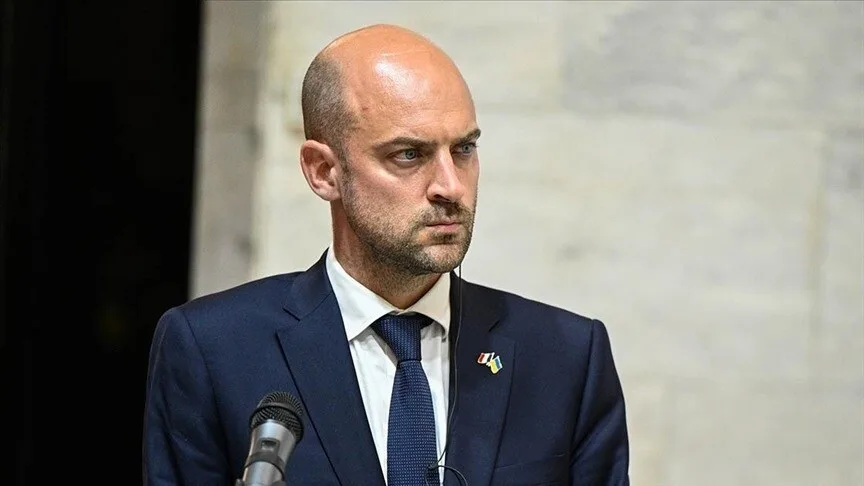
French Foreign Minister Jean-Noel Barrot condemned recent violence in the West Bank by Israeli settlers targeting Palestinians and defended France's sanctions against far-right Israeli Security Minister Itamar Ben-Gvir. Barrot called the events in the West Bank "utterly disgraceful" and said Ben-Gvir's comments are "unacceptable and inhuman" [1, 2].
France imposed a ban on Ben-Gvir entering its territory in May 2026. More than 10 other countries including Belgium, Spain, Britain, Canada, and Australia followed with similar entry bans on him [1, 2]. In June, France, Britain, Canada, and Norway announced coordinated sanctions against Israeli networks linked to financing and supporting violence in the West Bank [1].
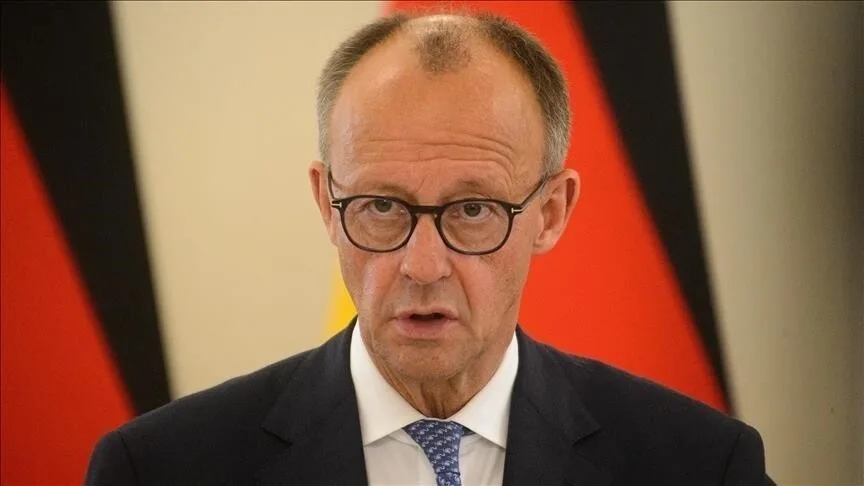
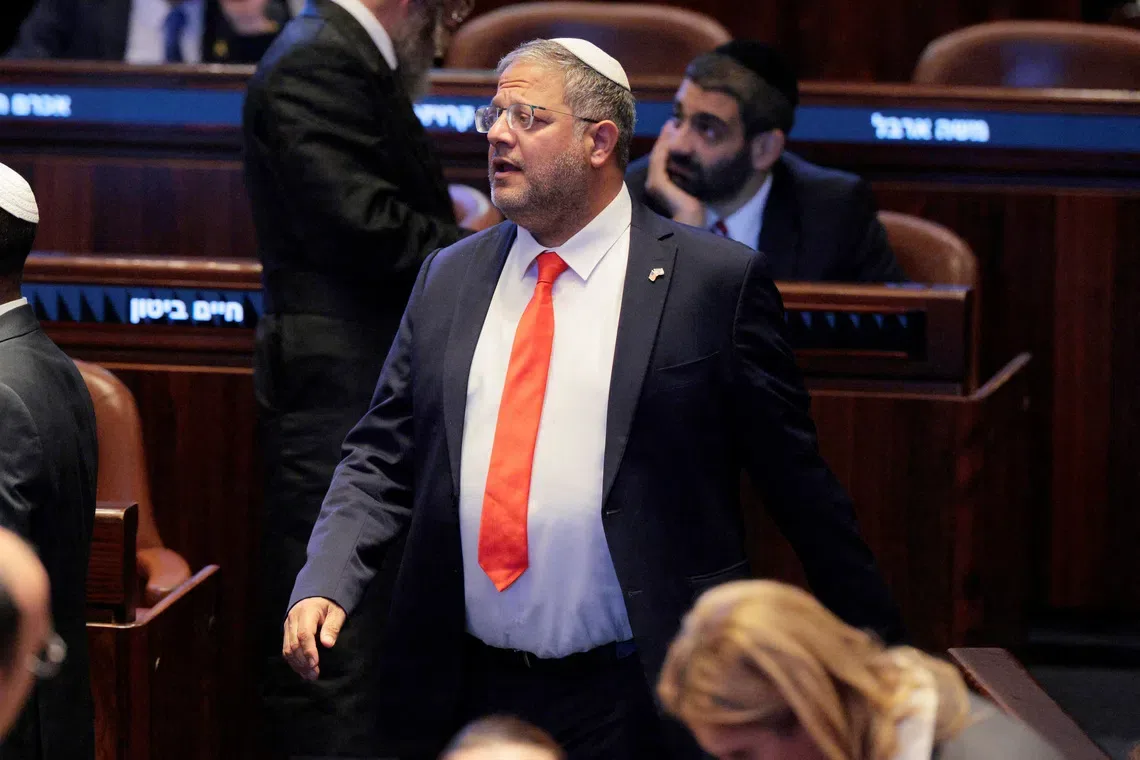
Ben-Gvir sparked outrage again on August 19-20 by advocating the targeted killings of 30 to 40 Palestinians every night in Gaza during a podcast. He insisted those individuals "shouldn’t be alive," going beyond those who are currently threatening Israeli security [3, 4, 2]. German Chancellor Friedrich Merz described Ben-Gvir's calls as "inhumane appeals which violate international law" and unacceptable. Merz said the European Union will consider sanctions on extremist Israeli politicians at an upcoming foreign ministers meeting [3, 4].
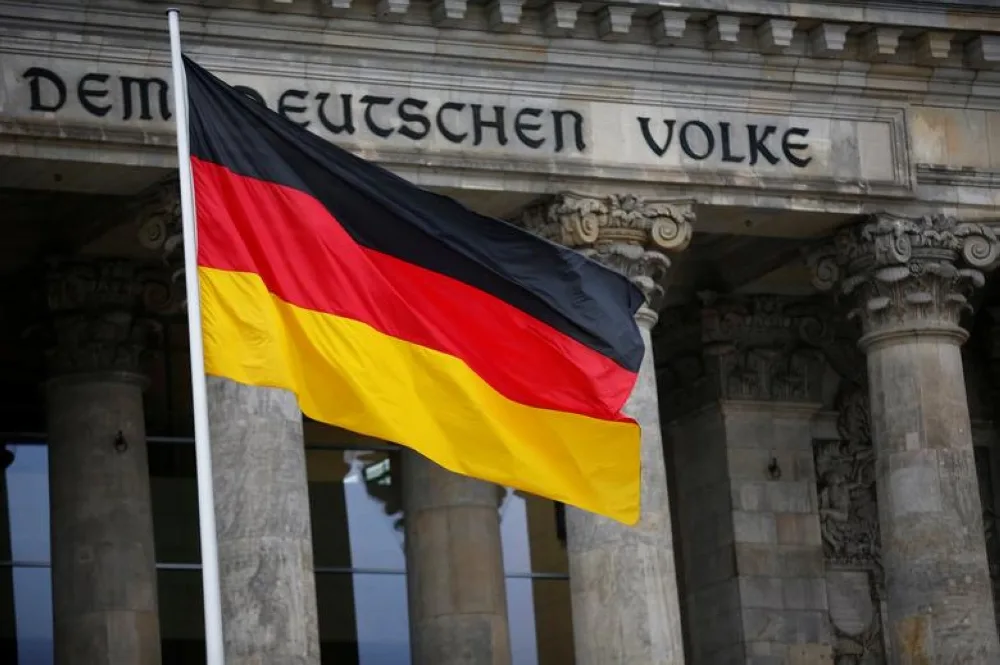
Germany also condemned Israeli plans to expand settlements in the occupied West Bank’s E1 area. Officials said those efforts undermine prospects for a two-state solution [3]. Israel disputes that settlements violate international law, citing historical and biblical ties [1].
Separately, German authorities announced on August 20 the identification of a far-right German national as the suspect in a 1970 arson attack on a Jewish center in Munich that killed seven Holocaust survivors. The investigation was reopened in 2025 after new witness testimony [5].