France reported its first confirmed Ebola case on June 24, 2026, involving a doctor returning from a humanitarian mission in the Democratic Republic of Congo (DRC) during the current outbreak [1, 2, 3]. The patient, who travelled on a commercial flight from Kinshasa to Paris on June 23, showed minimal symptoms before the flight but experienced a slight worsening during the journey [3, 4, 5, 6]. Upon arrival, the doctor was immediately isolated and transferred to a specialised treatment facility in France, currently in stable condition [1, 7, 2, 3, 4, 5, 8, 9, 6].
French health authorities have launched contact tracing and are monitoring individuals who may have been exposed to the patient, isolating them as a precaution for the standard 21-day period to prevent further spread [7, 2, 3, 9, 6]. The outbreak at the source is caused by the rare Bundibugyo strain of the Ebola virus, for which there is no approved vaccine or treatment available [7, 2, 3, 8].
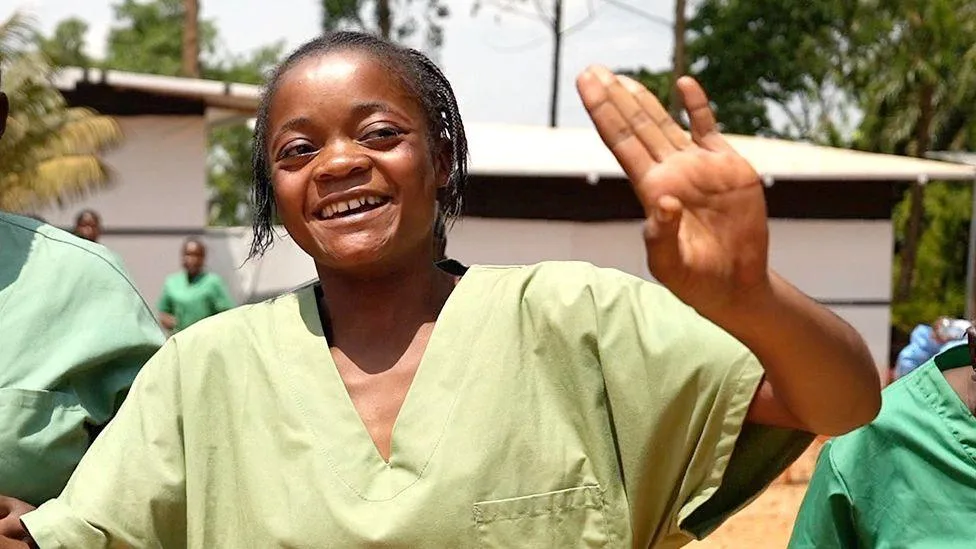
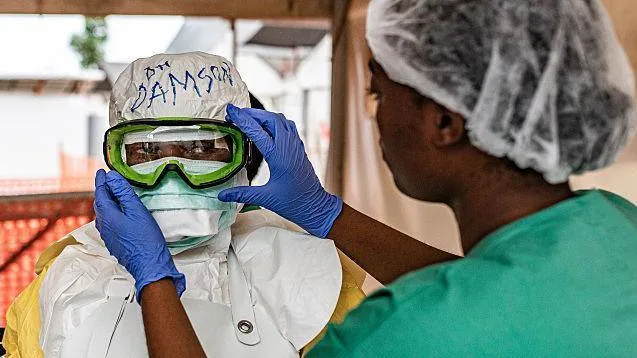
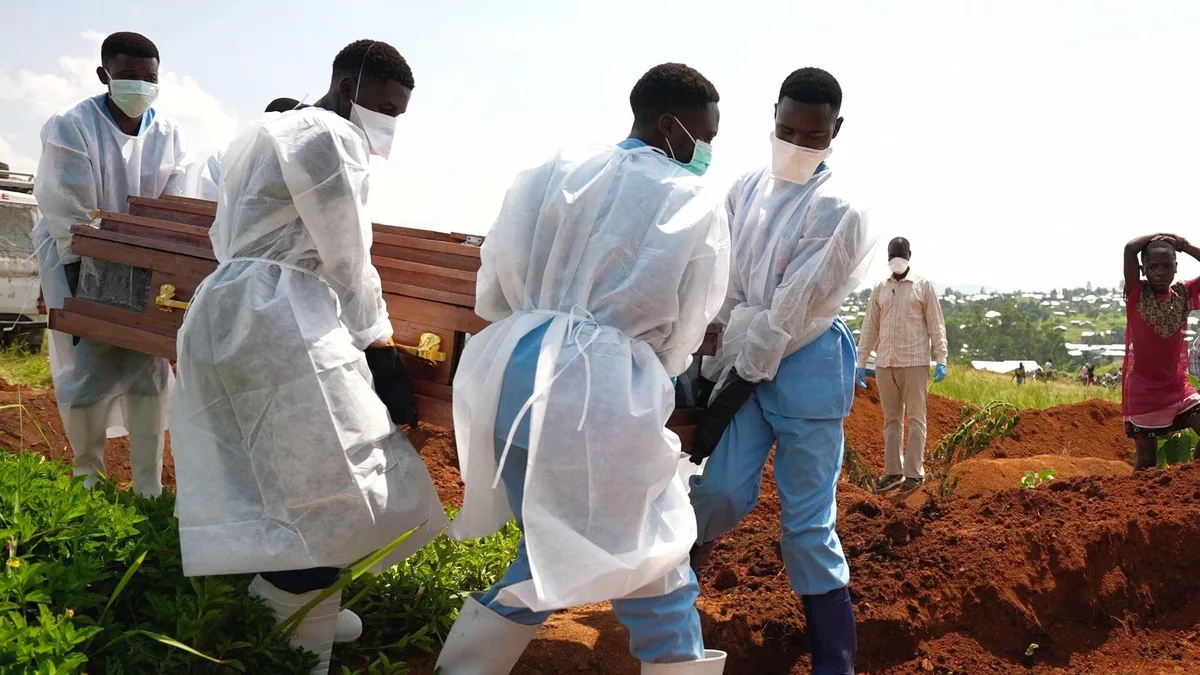
The Ebola outbreak began in the Ituri province of the DRC and has rapidly expanded, becoming the largest recorded Ebola outbreak in terms of confirmed cases within the first month [2, 8, 9]. As of late June 2026, over 1,000 cases have been confirmed across the DRC and Uganda, with approximately 260 to 280 deaths reported [1, 7, 2, 3, 8]. Nearly 80 health workers have been infected, highlighting the risks faced by frontline responders [4, 5, 6].
The World Health Organization declared the outbreak a Public Health Emergency of International Concern on May 17, 2026, reflecting the seriousness of the epidemic [2]. WHO chief Tedros Adhanom Ghebreyesus reassured the public, saying, "There is no need for panic," and insisted that "the risk to the rest of the world is low" despite the case in France [3, 4, 5, 6].
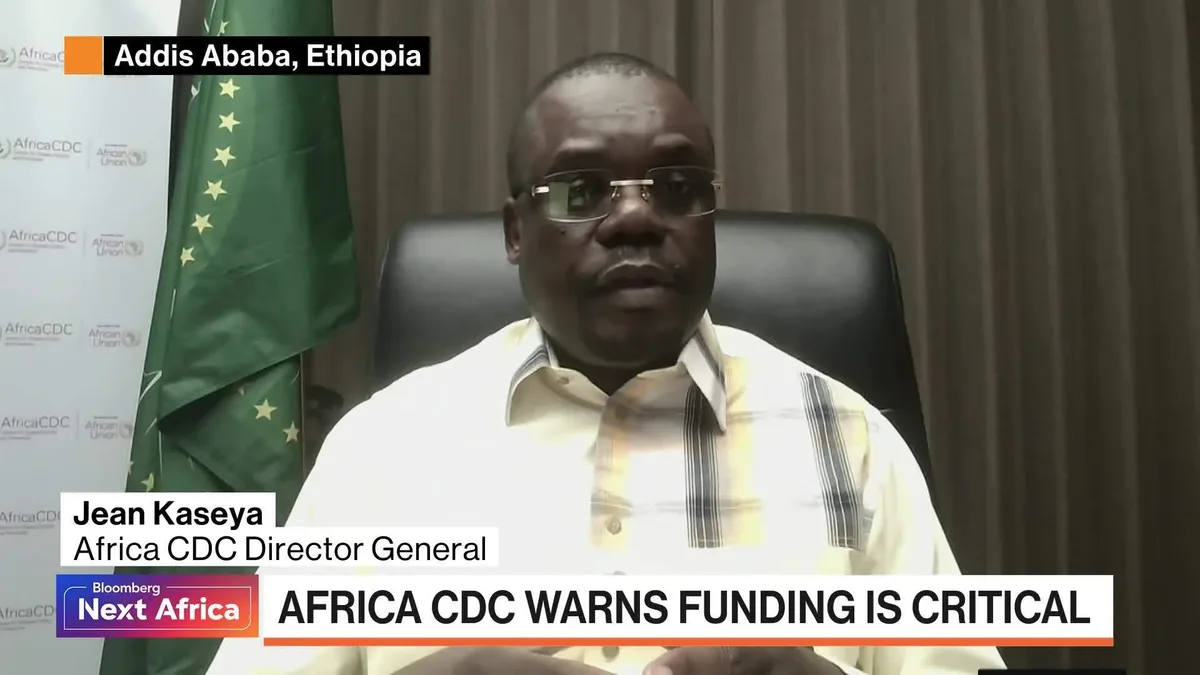
Dr. Jean Kaseya, director general of Africa CDC, described the outbreak as "serious" but "not out of control," warning that "no one is safe" if transmission is not halted at the source [10, 11]. He criticized delayed vaccine development and aid cuts, stating, "They didn't [develop a vaccine] because they were not interested. It's for Africans." He predicted a vaccine might be available by the end of 2026 [11].
On June 27, Africa CDC called for increased funding to contain the rising cases in DRC and Uganda, underlining the urgency of the response effort [10]. Meanwhile, France continues to monitor and isolate contacts of its first Ebola patient to prevent further spread within its borders.