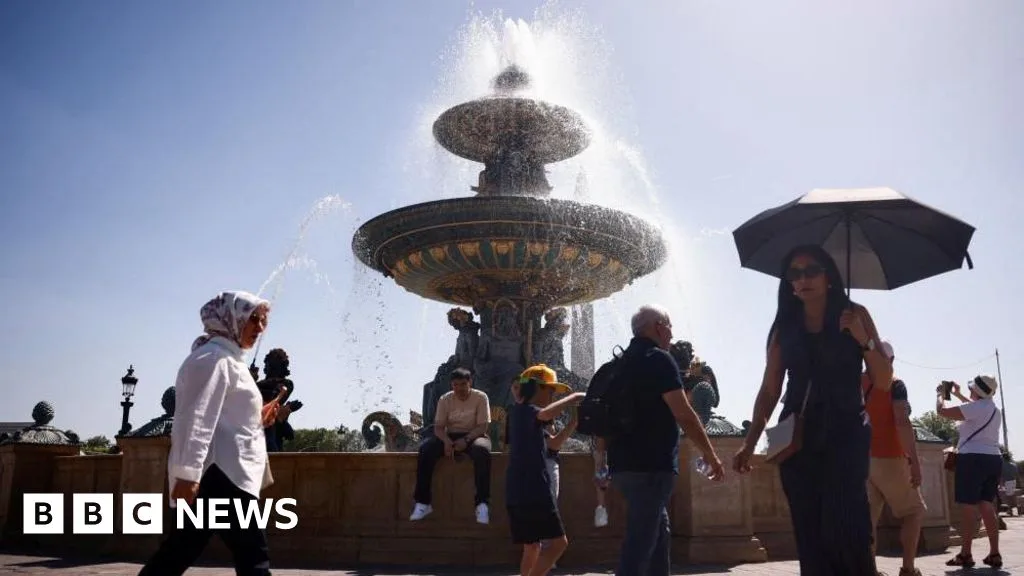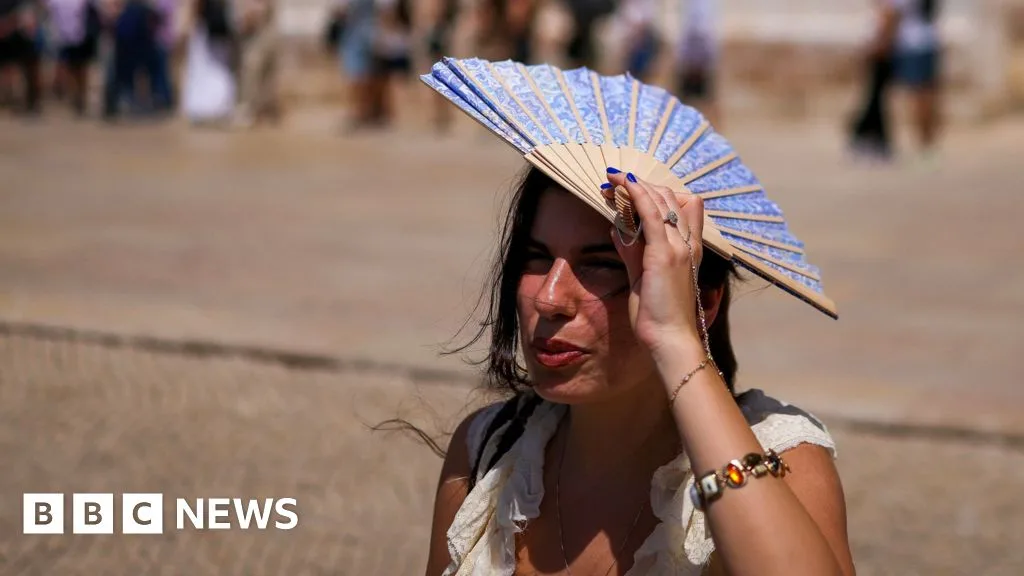
Western Europe is enduring an exceptional early-season heatwave caused by a persistent high-pressure "heat dome" bringing temperatures 10 to 15 degrees Celsius above average for May [1, 2, 3, 4]. Paris hit 31.9C on May 23, its first day above 30C this year [5]. By late May, Paris temperatures reached 33 to 34C, among the earliest high heat records for the city in this season [1, 6, 5, 7, 8].
The United Kingdom broke multiple May heat records, including a new high of 35.1C recorded on May 27 at Kew Gardens in London, about 2C above the previous record [2, 7, 3, 9, 4]. Portugal set its hottest May day ever at 40.3C in Mora on May 27, surpassing the previous record of 40C set in 2001 [6]. Spain and Italy also saw unusually high spring temperatures, with Spain facing forecasts up to 40C by the end of the week [2, 6, 9, 10].
France reported seven deaths linked to the heatwave by May 26, including five drownings. Health officials confirmed multiple heat-related illnesses during sporting events and warned of risks, especially to older people. "What I can say today is that there have been seven deaths directly or indirectly related to the heat," said French government spokesperson Maud Bregeon [11, 8, 3, 9, 4]. Beaches monitored by lifeguards saw concerns amid increased drownings [11, 8].
More than 20 French towns broke their highest-ever May temperature records, some exceeding previous highs by several degrees [5, 7]. The heat forced the closure of some schools due to extreme indoor temperatures reaching up to 53C, but national exams continued with precautions to keep students in shaded rooms [6].
The heatwave also caused a surge in power demand in France, with peak consumption forecast at 52.8 gigawatts on May 28 due to widespread use of cooling appliances [10]. Authorities issued some of the earliest heatwave warnings ever for May, including orange alerts in multiple departments across France [5, 7, 11, 8, 9].
Climate experts attribute the unprecedented early heat to human-induced climate change, which is making heatwaves more frequent, intense, and earlier in the year. Professor Friederike Otto called the event "absolutely astonishing," while Met Office head Richard Betts noted heatwaves now arrive "more severely" and "sooner than we had expected" [2, 7, 3, 9, 4]. Researcher Robert Vautard warned, "Eventually, we will be seeing similar heat events in April and October" [7].
By May 28, amber heat warnings remained active across France and Spain, while power consumption in France peaked in the afternoon. Authorities continue monitoring conditions as temperatures remain unusually high for late May [10].