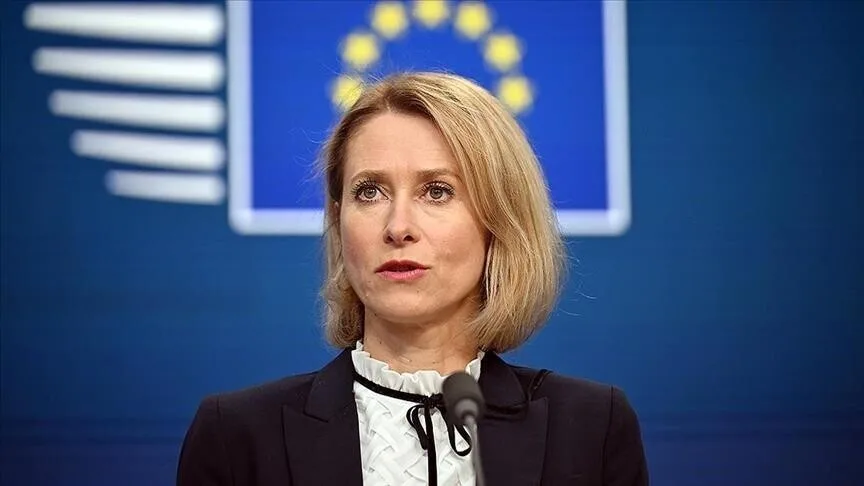
French officials unveiled plans to overhaul the European Union's diplomatic service on June 11, aiming to address slow and fragmented crisis responses by enhancing the role of EU foreign policy chief Kaja Kallas [1, 2].
The current system suffers from overlapping responsibilities among the European Commission, led by Ursula von der Leyen, the European External Action Service (EEAS) under Kallas, and the 27 member states, which creates coordination challenges [1, 3, 2]. The EEAS oversees over 140 EU delegations worldwide but has faced criticism for inefficiency in responding to geopolitical tensions [3].
Officials outlined three reform options: place all foreign policy functions under the European Commission, shift authority to the EU Council representing member states, or strengthen Kallas's position through internal reorganization [1, 2]. Under the third option, Kallas would become the Commission's first executive vice president, managing external relations, trade, and economic development alongside five other executive vice presidents [1, 2].
However, some EU countries, including France and Germany, have expressed reservations about boosting Kallas's powers. Reports suggest they favor redistributing responsibilities as they consider the EEAS ineffective in current crisis management [3, 4]. An unnamed EU official told the Financial Times that the EEAS "doesn't work the way it should in today's world" and called it "dysfunctional" [3].
Kallas welcomed the reform debate and acknowledged the need to cut duplication and improve Brussels' functioning, stating, "That framework remains unchanged. What matters most is that we continue to strengthen the Union’s collective ability to act" [1, 2].
The European Commission publicly supported Kallas and the EEAS amid these tensions. Spokesperson Paula Pinho said, "The European External Action Service is one of the institutions that implements the policies of the European Union and, therefore, obviously, our President supports it, as well as the work it does" [4].
An anonymous diplomat cautioned that institutional reforms alone will not resolve EU foreign policy challenges, pointing to the unanimity rule in decision-making as a core obstacle. He called hopes for reform to fix problems a "Brussels bubble" illusion [2].
The proposed changes could be enacted without amending EU treaties but require unanimous approval by all 27 member states [3]. The discussion over strengthening or curbing Kallas’s role is ongoing, with member states debating the best path forward.