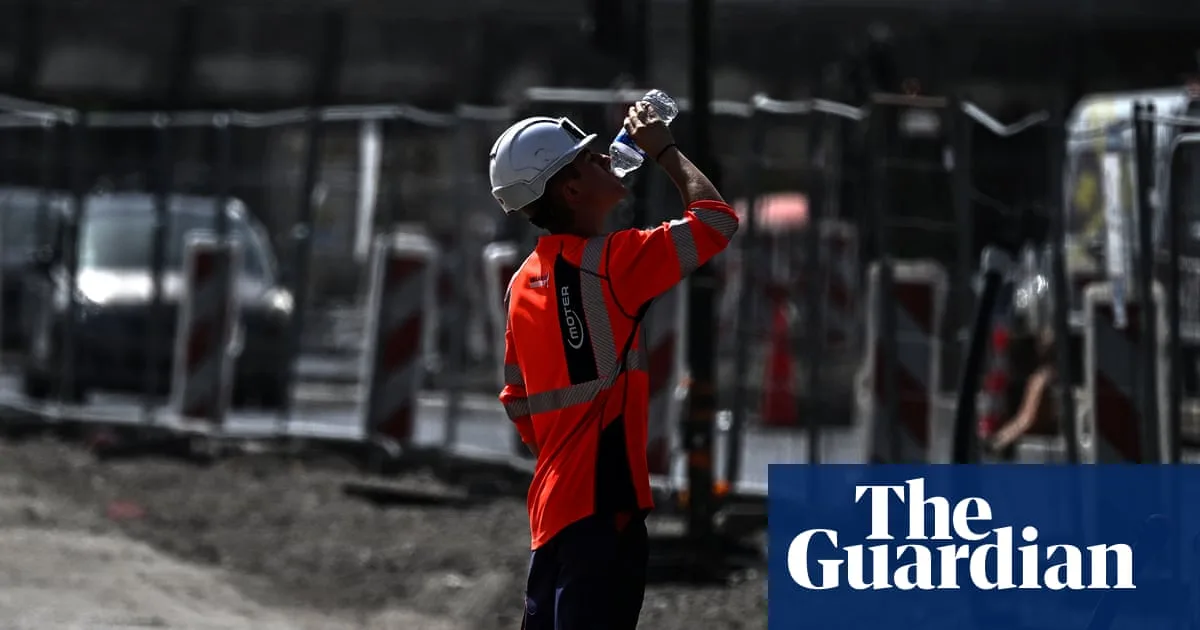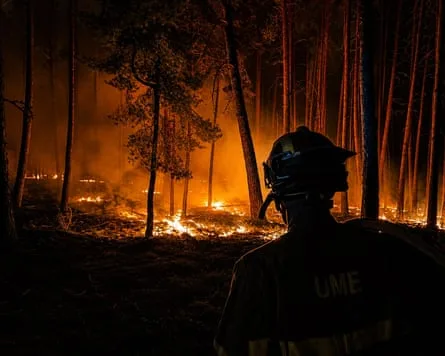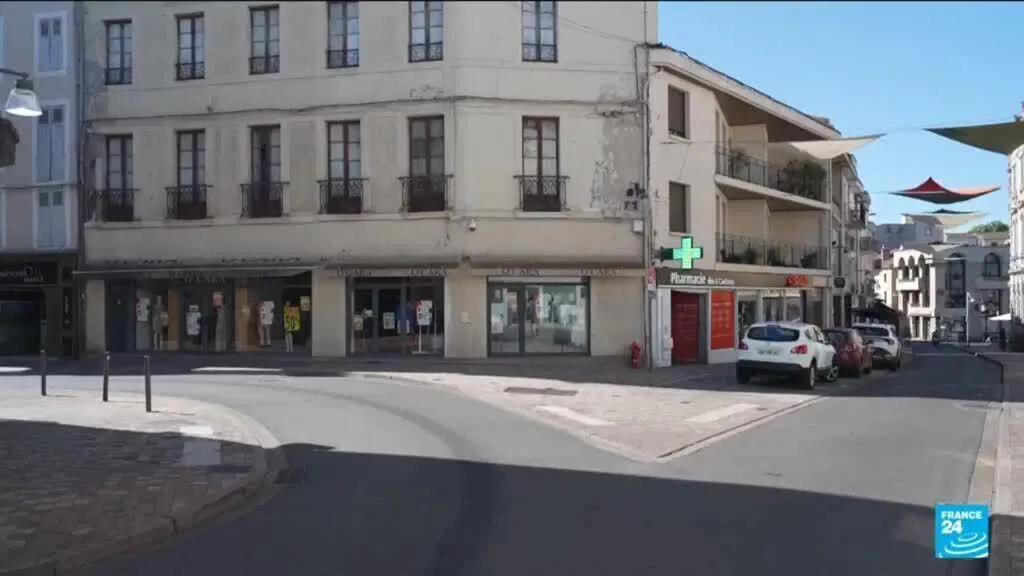
France recorded 5,764 excess deaths between June 17 and July 2, 2026, during a record-breaking heatwave, according to Public Health France and other agencies [1, 2, 3, 4, 5]. The deaths include individuals aged 15 and older, with about two-thirds of the cases occurring in people 75 years or older and fewer than 20% aged 45 to 64 [1, 2, 3, 4, 5].
More than half of the excess deaths took place between June 25 and June 27, a period that coincided with the highest average temperatures recorded in France since at least 1947 [1, 2, 3, 5]. On June 24 and 25, temperatures exceeded 40°C in many locations, marking the hottest June on record for the country [1, 3, 5].
The Paris region accounted for 1,999 of the excess deaths, representing an over 80% increase above expected mortality without the heatwave [5]. Health Minister Stephanie Rist reported a preliminary figure of 2,025 additional deaths between June 22 and June 28 but noted that this was not final and expected to be refined with incoming data [4].
The excess deaths encompass all causes, and authorities have not conclusively linked them directly to heat at this time. Public Health France stressed, "The increase in all-cause mortality cannot yet be attributed with certainty to the heat" [4]. The French national health agency described the event as "unprecedented," citing its early onset, severity, and duration, which exposed nearly the entire population to extreme heat while schools and workplaces remained active [5].
The mortality surge is the largest since the 2003 heatwave, which resulted in an estimated 15,000 deaths [1, 2, 3, 4, 5]. The 2026 heatwave’s death toll surpassed the excess deaths during the 2025 summer heatwave, which was 5,722 [1, 2, 3].
Spanish Prime Minister Pedro Sánchez urged increased public awareness of the climate threat, saying, "We must raise public awareness and we not trivialise the climate emergency" [2].
Authorities expect the official death toll to be updated in the coming months as data consolidates and more detailed assessments are completed [4, 5].