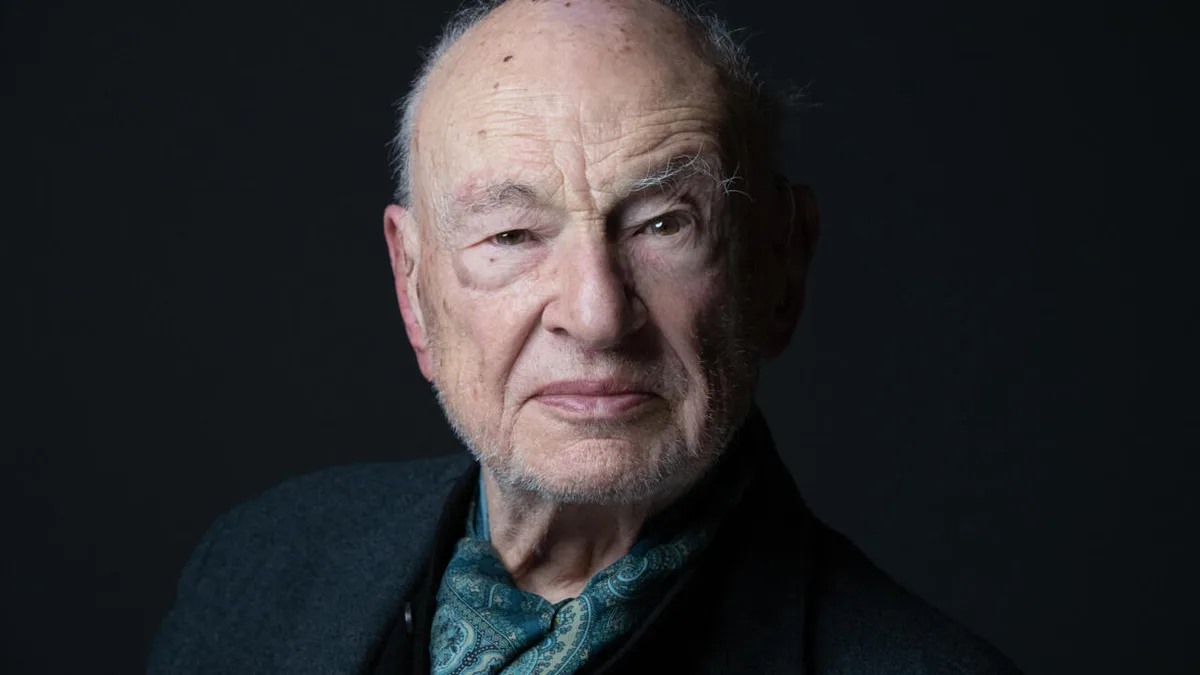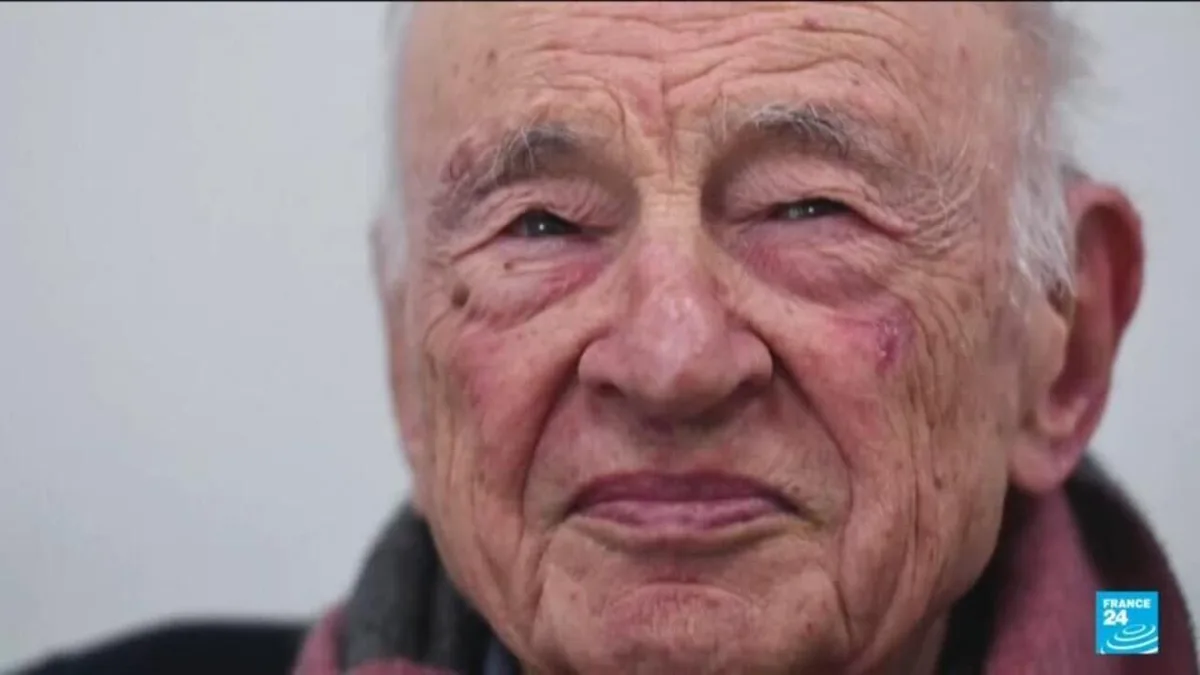
Edgar Morin, a French intellectual, sociologist, philosopher, and World War II Resistance member, died at age 104 in Paris on May 30, 2026 [1, 2, 3]. Born Edgar Nahoum on July 8, 1921, in Paris to Jewish immigrant parents from Greece, Morin’s life spanned more than a century of social and political change [1, 3].
During World War II, Morin joined the French Resistance fighting Nazi occupation, an experience that shaped his lifelong commitment to critical thinking and opposition to intolerance [1, 2, 3]. He briefly belonged to the French Communist Party but was expelled for rejecting dogmatism [3].
Morin gained international renown as the co-director of the 1961 documentary "Chronique d'un été" ("Chronicle of a Summer"), which pioneered the style of cinema verite — a realistic, unscripted approach to film [1, 2, 3]. Beyond filmmaking, he developed a transdisciplinary philosophy combining sociology, psychology, ethnography, biology, and philosophy. He urged society to connect scattered knowledge across fields to better understand complex questions about humanity and life itself; as he once said, "What does it mean to be human? What is globalisation? What is life? These questions require us to connect knowledge that is currently scattered across fields of research" [1].
Morin remained intellectually active long after his centenary, using the social media platform X where he engaged with contemporary issues including the 2022 European heatwaves and Russia's war in Ukraine [1, 2, 3]. He amassed 220,000 followers by the time of his death [1, 2].
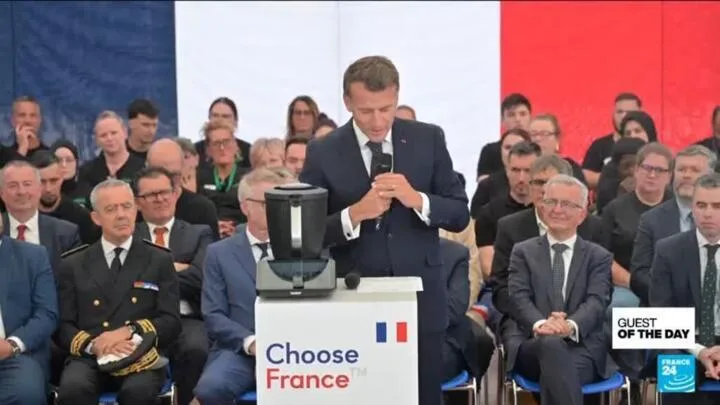
French President Emmanuel Macron hosted a celebration for Morin’s 100th birthday, signifying his stature in French society [3]. Morin’s daughter, Sabah Abouessalam Morin, acknowledged his lasting influence: "Until his final days, Edgar Morin remained attentive to the world, to others, and to the great human issues that nourished his thinking. Today, the void he leaves behind is immense. But his courage, his loyalty to people and to ideas, his moral rigor and his hope continue to accompany us" [1].
Morin's death marks the end of a remarkable life dedicated to understanding and questioning the nature of human existence and society. His final years showed his continued engagement with modern issues, demonstrating his belief in the power of knowledge to connect and enlighten.