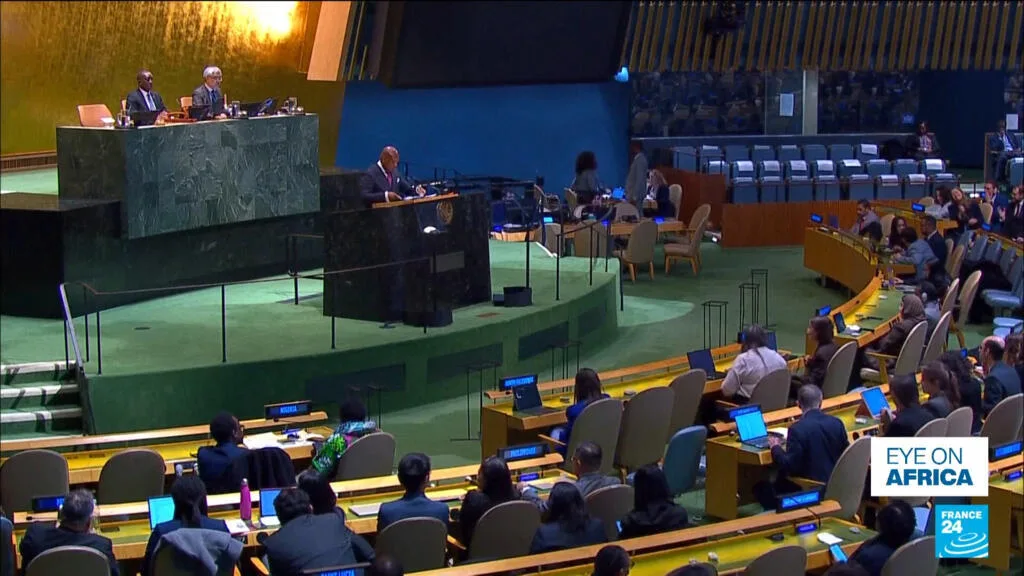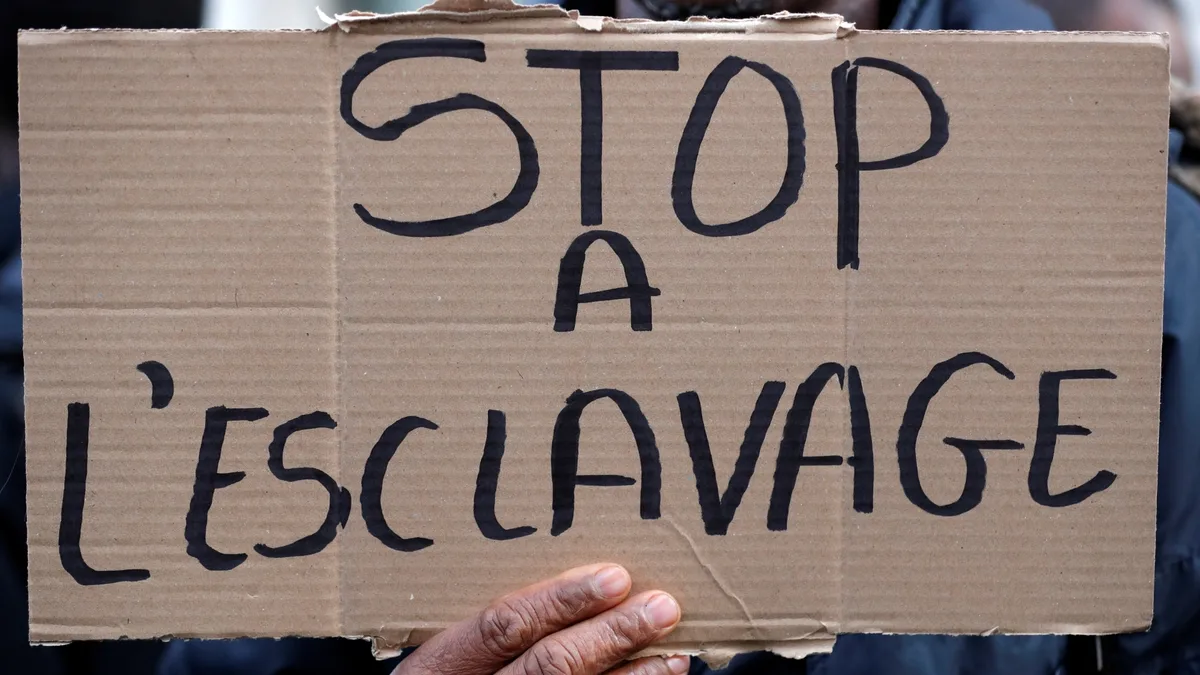
French lawmakers voted unanimously on Thursday, May 28, 2026, in the National Assembly to repeal the "Code Noir," a series of royal edicts from 1685 to 1724 that legally defined enslaved people as movable property and justified corporal punishment [1, 2, 3]. The vote passed by a margin of 254 to 0, with all parliamentarians present supporting it in the lower house [1].
The "Code Noir" was never formally repealed after France abolished slavery in 1848, though it lost legal force then. The vote is therefore a symbolic act of formally abolishing a law that had been superseded but not annulled [1, 2]. French President Emmanuel Macron supported the repeal and called the continued presence of the Code Noir in law a "form of offense," stating, "The silence, even the indifference, that we have maintained for nearly two centuries toward this Black Code is no longer an oversight. It has become a form of offense" [1, 2].
The bill still requires Senate approval, which is expected to be a formality [1]. If passed, the legislation will oblige the government to report to parliament on the lasting effects of colonial laws and slavery on racism and discrimination in France, including how slavery history is taught in schools [1].
France was the third-largest European slave trader after Britain and Portugal, transporting an estimated 1 to 1.4 million Africans from French ports to colonies, mainly in the Caribbean [1, 2]. Lawmakers stressed the importance of remembrance and justice in repealing the Code Noir. Max Mathiasin, MP from Guadeloupe, said: "This proposal does not claim to erase history, nor to single-handedly heal the wounds of history. It aims to take a new step, to make a powerful act of remembrance, justice and recognition, by formally repealing the Code noir and all the texts that stem from it" [1].
Other voices recalled personal family histories. Green lawmaker Steevy Gustave reflected, "I'm thinking of my great-grandmother, Mama Bebelle. She was the grand-daughter of Ambroise Zerambe, born in Africa, then reduced to slavery under the number 336" [1]. Paris-born nurse Muriel Jean-Baptiste said, "A law that treated Black people as property was left sitting there" [2].
The current bill does not include reparations but has reignited debate about reparations for slavery in France [1, 3]. The National Assembly's repeal formalizes the end of a law that had lingered since the colonial era. The vote follows France's 2001 recognition of slavery and the slave trade as crimes against humanity and the 1848 abolition of slavery that rendered the Code Noir unenforceable [1].
The Senate is expected to vote on the bill soon, completing the formal repeal process. Once enacted, the government will be tasked with evaluating the continued impact of colonial laws and slavery on contemporary issues of racism and education.