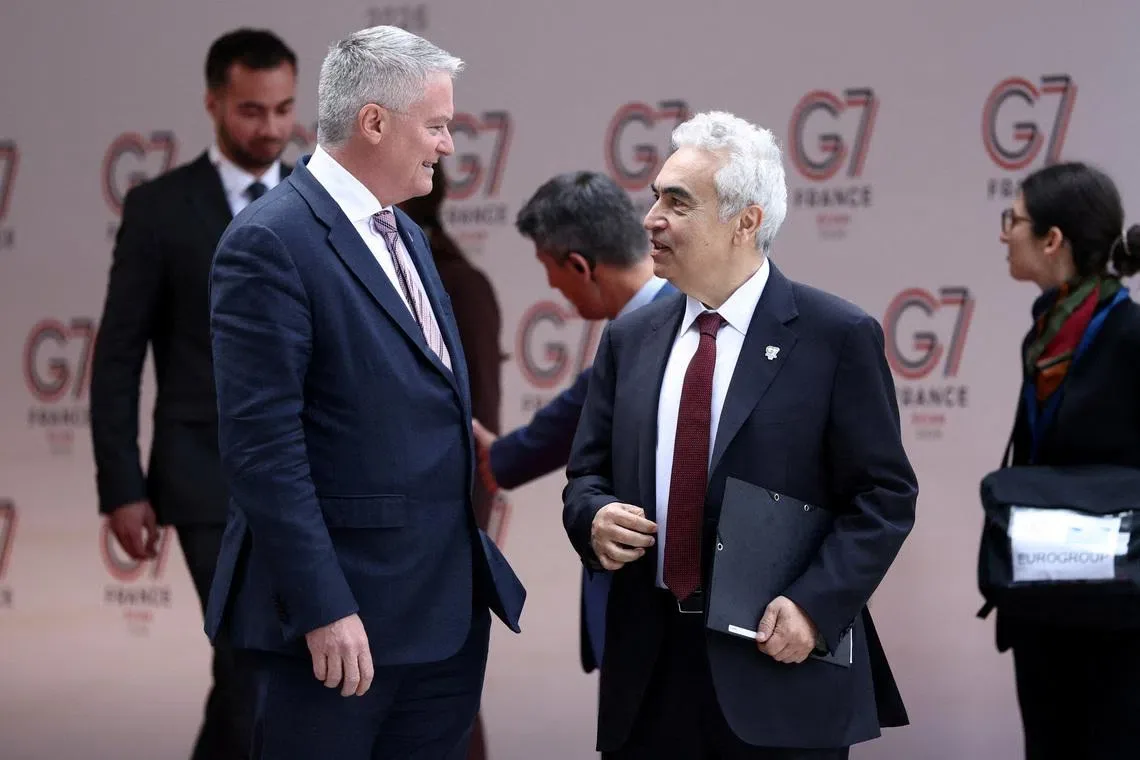
G7 leaders agreed on June 17, 2026, to enhance coordination on critical minerals supply chains and create a new cooperation platform under the expanded role of the International Energy Agency (IEA) [1]. The platform will oversee policy alignment, data sharing, market monitoring, and crisis response, initially targeting lithium and nickel supply [1].
Japanese Prime Minister Sanae Takaichi proposed the framework to coordinate stockpiles of critical minerals among G7 members and like-minded countries to diversify sources and reduce reliance on China [2, 3]. The plan would require participating nations to hold at least 90 days’ worth of critical minerals reserves and manage coordinated releases through the IEA during supply disruptions [3]. Releases would be limited to companies committed to shifting procurement away from Chinese suppliers [3].
China controls about 60% of global rare earth extraction and 90% of processing capacity, giving it significant leverage over global manufacturing sectors [3]. Previously, China imposed export restrictions on critical minerals and dual-use supplies in retaliation for Japanese remarks on Taiwan-related security concerns [3].
The summit took place amid a preliminary US-Iran deal to end conflict impacting the Strait of Hormuz, a vital trade route [3]. Japan depends on the Strait of Hormuz for about 90% of its crude oil imports and has faced supply challenges due to closures by Iranian forces [3]. France, the UK, Germany, and Italy jointly called for the unconditional reopening of the Strait and pledged a defensive mission to safeguard commercial vessel passages [3].
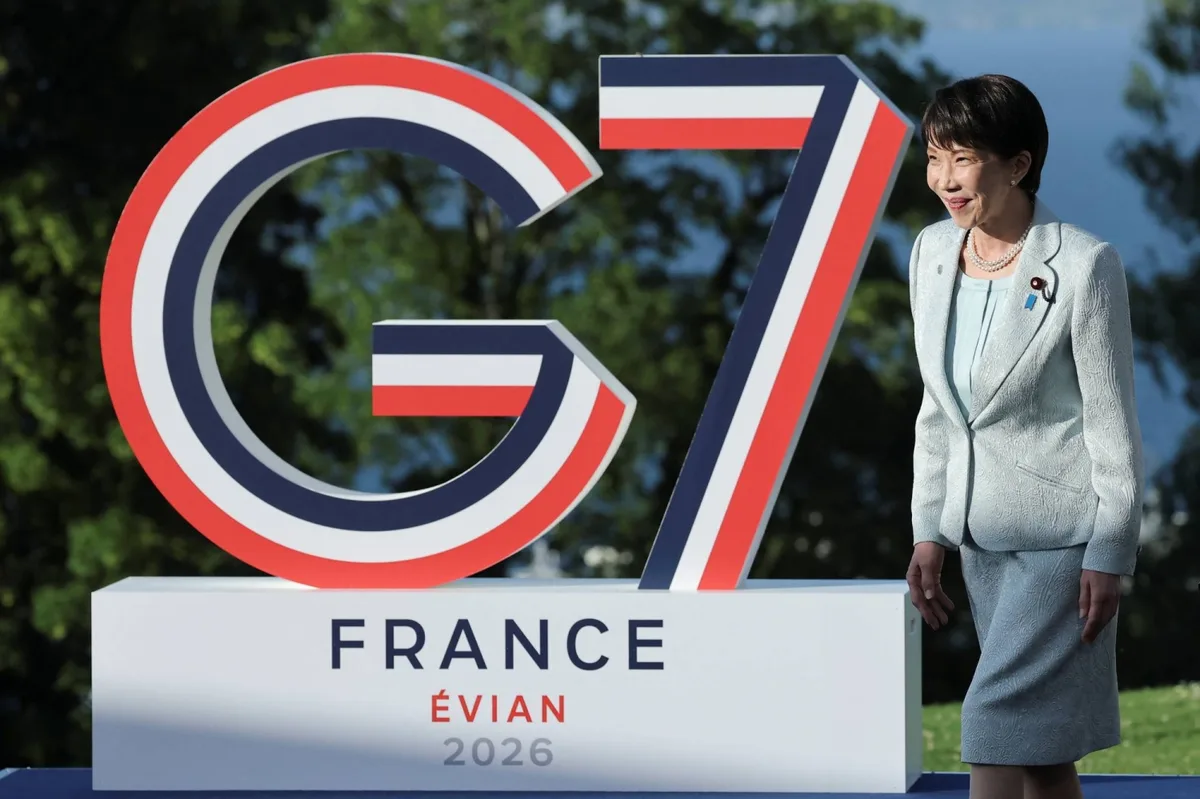
Prime Minister Takaichi said she wanted to "discuss urgent issues frankly with other leaders and demonstrate the G7’s unity in leading the international community’s response to the issues" [2]. She noted that "the Hormuz crisis had underscored the importance of stockpiling critical goods" [3].
On June 15, Takaichi arrived in France for her first G7 summit since taking office in October 2025 [3]. Two days later, France, the UK, Germany, and Italy issued a joint statement urging the reopening of the Strait of Hormuz [3]. The G7 leaders then agreed on the critical minerals coordination platform and pilot stockpiling program on June 17 [1].