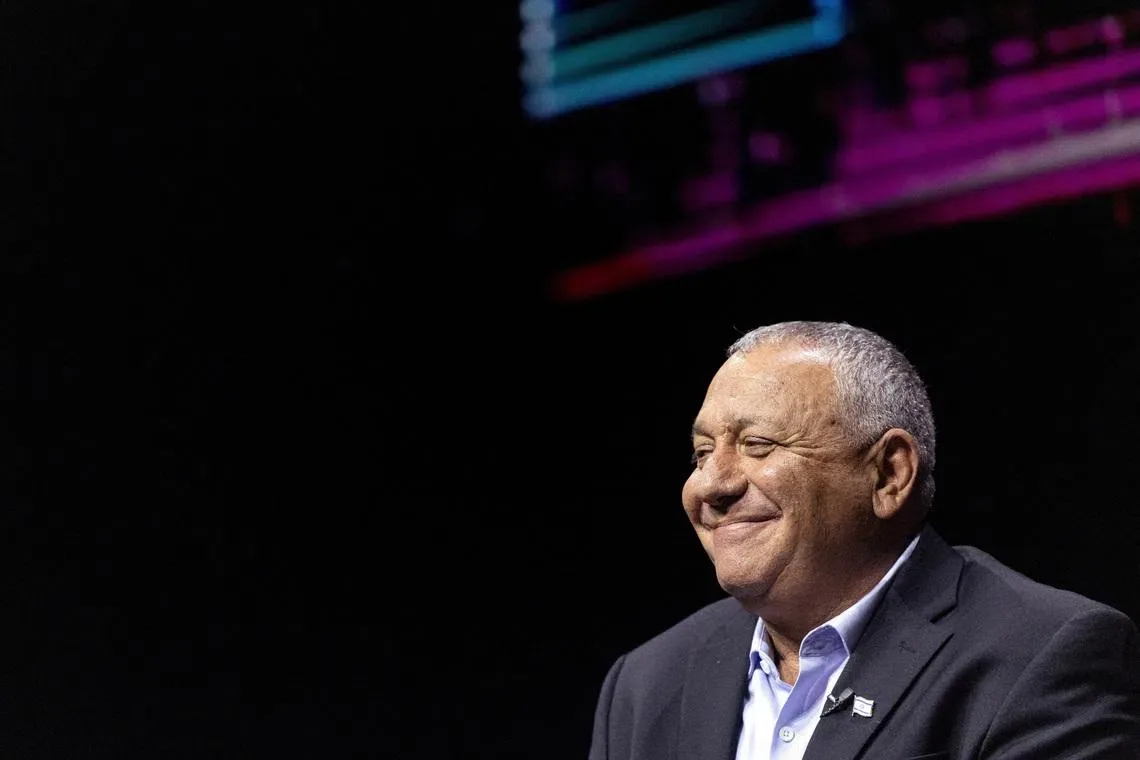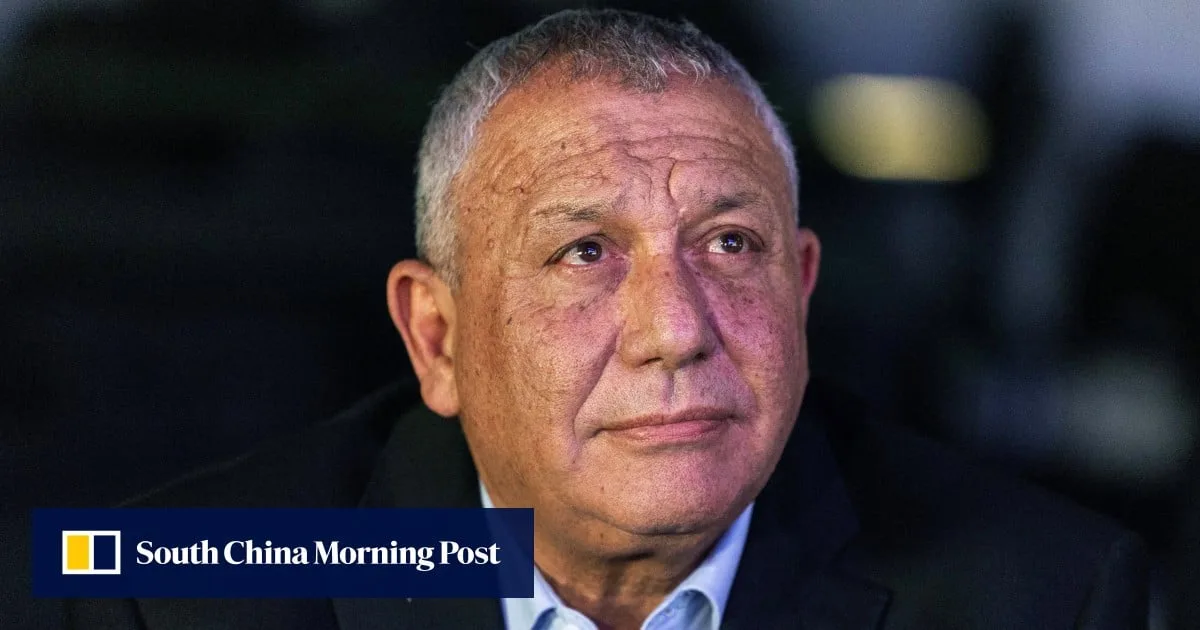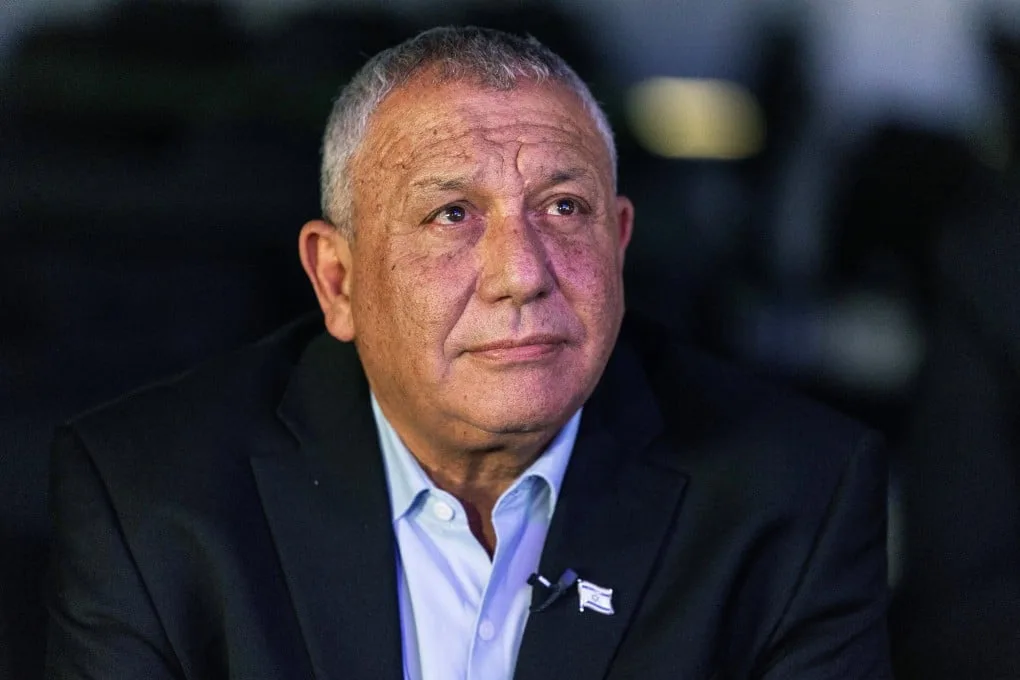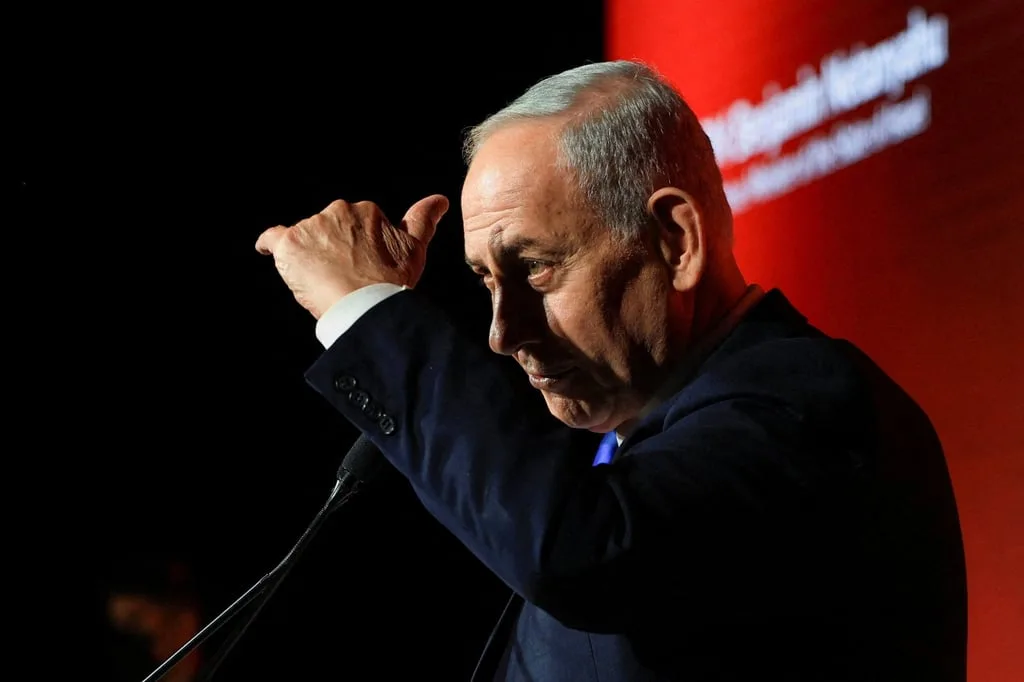
Gadi Eisenkot has emerged as the leading challenger to Prime Minister Benjamin Netanyahu ahead of Israel's parliamentary elections scheduled by late October 2026 [1, 2]. Eisenkot leads the newly formed Yashar party, which is surging in polls and is now considered Netanyahu's main rival [1, 2, 3].
Polls show the Yashar and Likud parties winning roughly 20 and 23 seats respectively in the 120-seat Knesset, with both falling short of a clear majority [1, 3]. A recent Channel 13 poll found that 43% of respondents view Eisenkot as more suitable for premiership, compared to 39% for Netanyahu [3]. Support for Netanyahu has declined sharply in recent months amid criticism of his handling of recent wars and tensions with Iran. His approval rating dropped from 40.5% in March to 29.4% in June 2026 [1, 2, 3].
Eisenkot is a former Israeli military chief known for his hawkish "Dahiyeh doctrine" strategy used in Lebanon. He told reporters, "I had implemented the 'Dahiyeh doctrine' with what I myself called 'disproportionate strikes'" [1]. His military background is a central feature of his political profile.
Some sources project opposition parties including Yashar could collectively hold 57 seats versus Netanyahu's coalition at 53 seats, but other analyses simply note both Yashar and Likud will come first and second without detailed coalition projections [1, 3]. Election date has not been officially set, but it must be held by late October 2026, with October 20 or 27 as possible dates [1, 2].
Israel’s political landscape remains volatile following the Hamas attack in October 2023, which sparked ongoing wars and heightened security concerns influencing voter sentiment [1]. Eisenkot’s challenge presents the first serious test to Netanyahu’s long grip on power.
The next concrete step is for elections to be held by the late October 2026 deadline, with the exact date expected to be announced soon [1, 2].