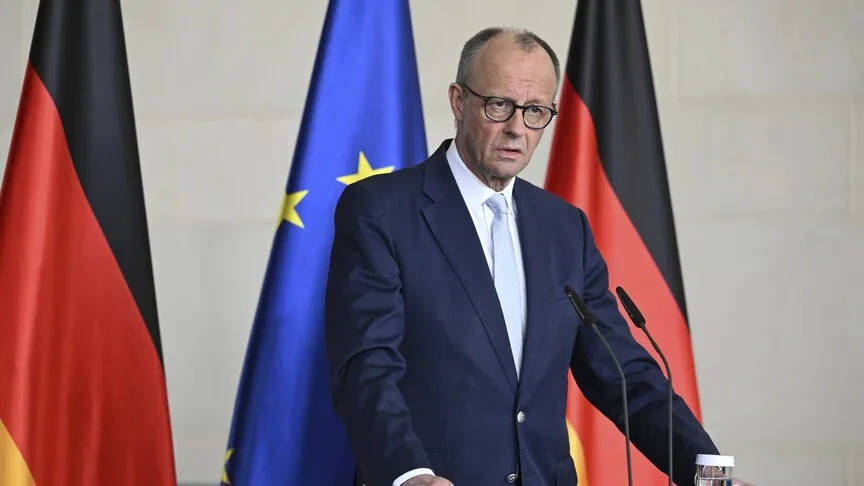
German Chancellor Friedrich Merz called for a fundamental overhaul of the European Union budget, emphasizing a shift in focus from traditional subsidies to defense and competitiveness. More than two-thirds of the EU budget currently goes toward subsidies, which Merz described as outdated and inefficient [1].
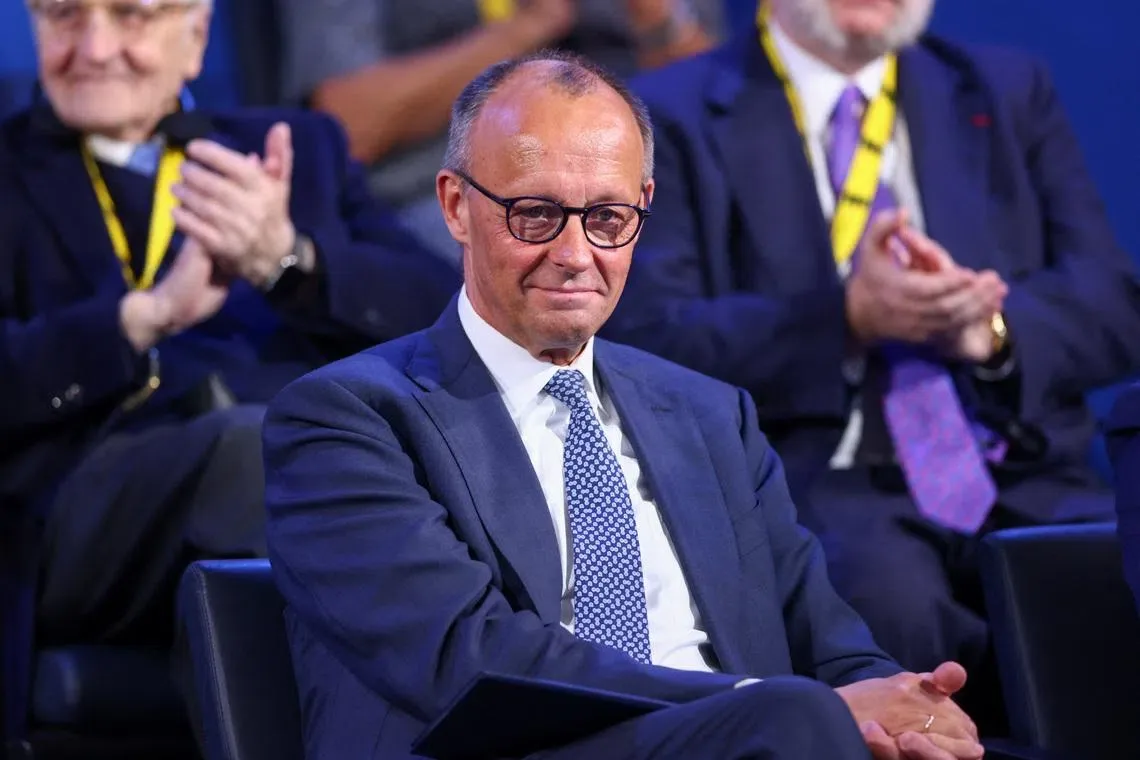
Speaking at the Charlemagne Prize ceremony on May 14, Merz said, "A sovereign Europe needs a 'Draghi-proofed' budget. Streamlined structures, investments in competitiveness and defence, a focus on European funds for European policies - all of this is necessary because resources are limited" [1]. He warned that excessive EU debt threatens national sovereignty and limits the bloc's ability to act effectively.
Merz also opposed European Commission proposals for joint borrowing and new levies to fund ongoing EU expenses, arguing these approaches would worsen fiscal imbalances [1].
Earlier, on May 12, Merz addressed a German trade union congress, where he called for painful structural reforms to safeguard Germany’s peace, prosperity, and international competitiveness [2]. He said, "We have simply failed to modernize our country. This is now coming back to haunt us in the shadow of major transformative forces" [2].
In his speech, Merz urged changes to Germany's social security system, including pensions and healthcare, and sought backing from trade unions for reform efforts [2]. His proposals drew boos and interruptions from delegates opposed to the reforms [2].
Merz also pushed for cutting bureaucratic red tape, increased investment in infrastructure, and accelerating digitalization to bolster the business climate and economic growth [2]. He stated, "If we want to preserve our prosperity in the long term, if we want to secure freedom and peace in our country for the long term, then we, too, must change" [2].
The next key step is how these proposals gain traction within Germany’s political landscape and the wider EU budget negotiations planned later this year.