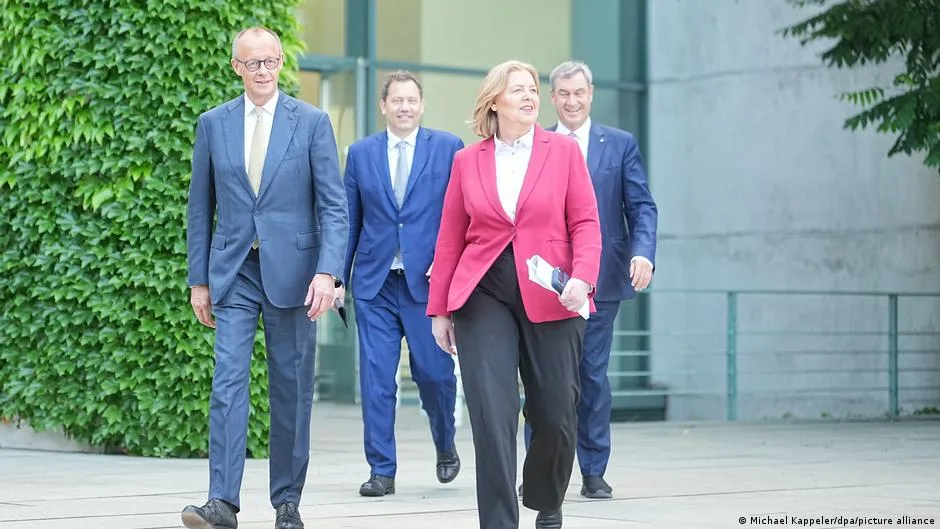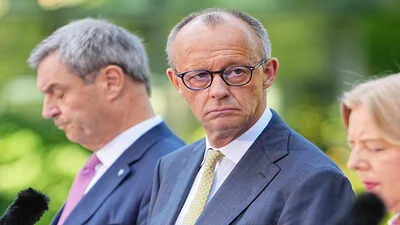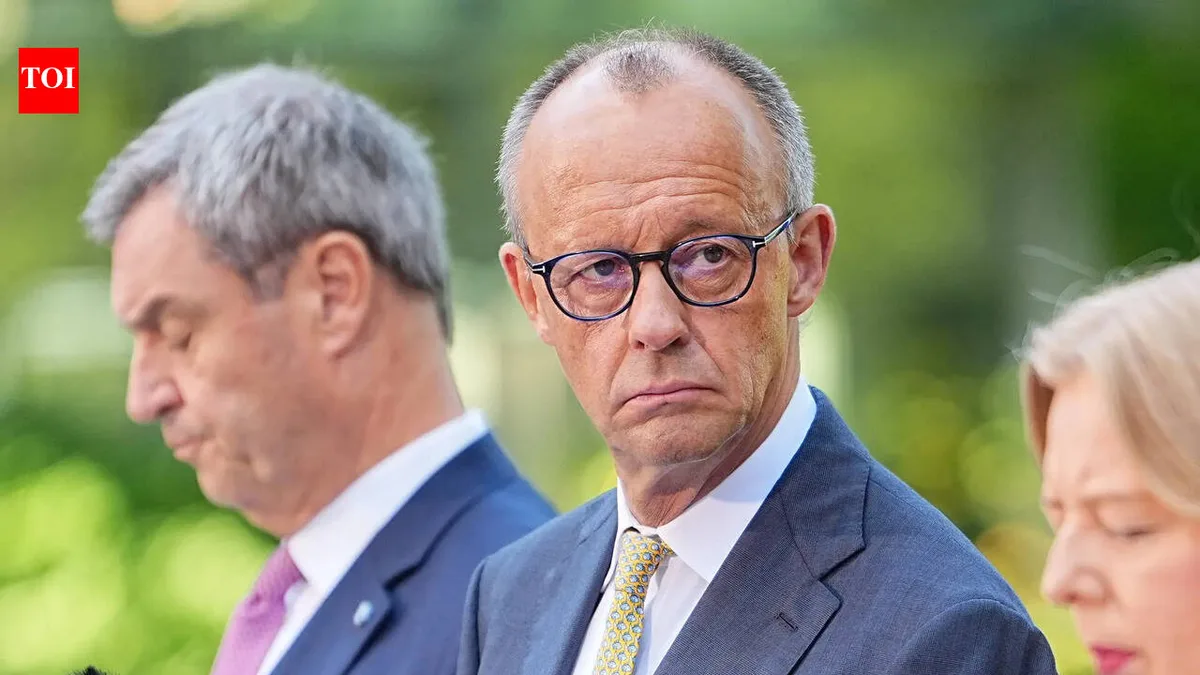
Germany's coalition government reached agreement on a comprehensive reform package containing 34 measures aimed at modernizing the country and improving public sentiment, after seven hours of negotiations on August 6, 2026 [1, 2]. Chancellor Friedrich Merz presented the package at a press conference the same day, declaring, "Today is going to be a good day for Germany. We present a significant reform package. We have the ability and determination to lead Germany into the future" [1, 3, 2].
The package introduces tax cuts for low-income families, which will begin in 2028 and provide up to 600 euros annually in relief [1, 3, 2]. Simultaneously, the government will raise the top income tax rate threshold and increase rates for high earners. The current top rate of 45% starting at 280,000 euros will be raised to 47% for income above 280,000 euros, while the 45% threshold will be lowered to 250,000 euros [1, 2]. Children’s benefits will increase to 272 euros per month, along with higher child tax exemptions and employee deductions [1, 2].
Pension reforms are also included, though specific details remain under parliamentary approval [1, 2]. Changes to sick leave laws require employees to submit medical certificates from the first day of absence, valid only if issued after an in-person doctor visit; telephone-issued sick notes will no longer be accepted [1, 3, 2]. To boost employment flexibility, fixed-term labor contracts can be extended from a maximum 24 months to 48 months, especially benefiting startups [1, 2].
The package also aims to simplify administration by reducing business reporting requirements, relaxing some data protection rules, and allowing automatic approval if government departments do not respond within four months [1, 3, 2]. The estimated annual cost of the tax relief measures is around 10 billion euros [1, 3, 2].
On energy policy, the government plans to accelerate the transition with faster grid approvals and aims to install smart electricity meters in 90% of households by 2030 [1, 2]. A new foreign economic strategy will address unfair trade practices, including with China [1, 2].
Observers note the package represents Germany's largest socio-economic overhaul since Chancellor Schröder's reforms two decades ago [1, 2]. The reforms also seek to counter the rising support of the far-right Alternative for Germany (AfD) party, currently leading polls at 27% compared to the CDU/CSU’s 22% [1, 2]. State elections scheduled later this year in Saxony-Anhalt, Mecklenburg-Vorpommern, and Berlin are expected to see AfD gains [1, 2].
Reactions have been mixed. Marcel Fratzscher, DIW Institute director, called the package "positive in elements like reducing bureaucracy and some tax relief" but criticized its lack of ambition and potential negative impact on workers [1]. IG Metall chairwoman Christiane Benner welcomed the tax relief but decried labor law loosening and sick leave rule changes as unfair to workers [1]. AfD spokesperson René Springer denounced the reforms as a confession of government incompetence that merely redistributes money without genuine relief [1].
The reform package awaits approval of related pension, health insurance, and tax bills in the federal parliament [1, 2]. Next steps include unveiling the 2027 federal budget and mid-term fiscal plans by Finance Minister Klienbiel, expected to focus on spending cuts and fiscal restraint [1, 2].