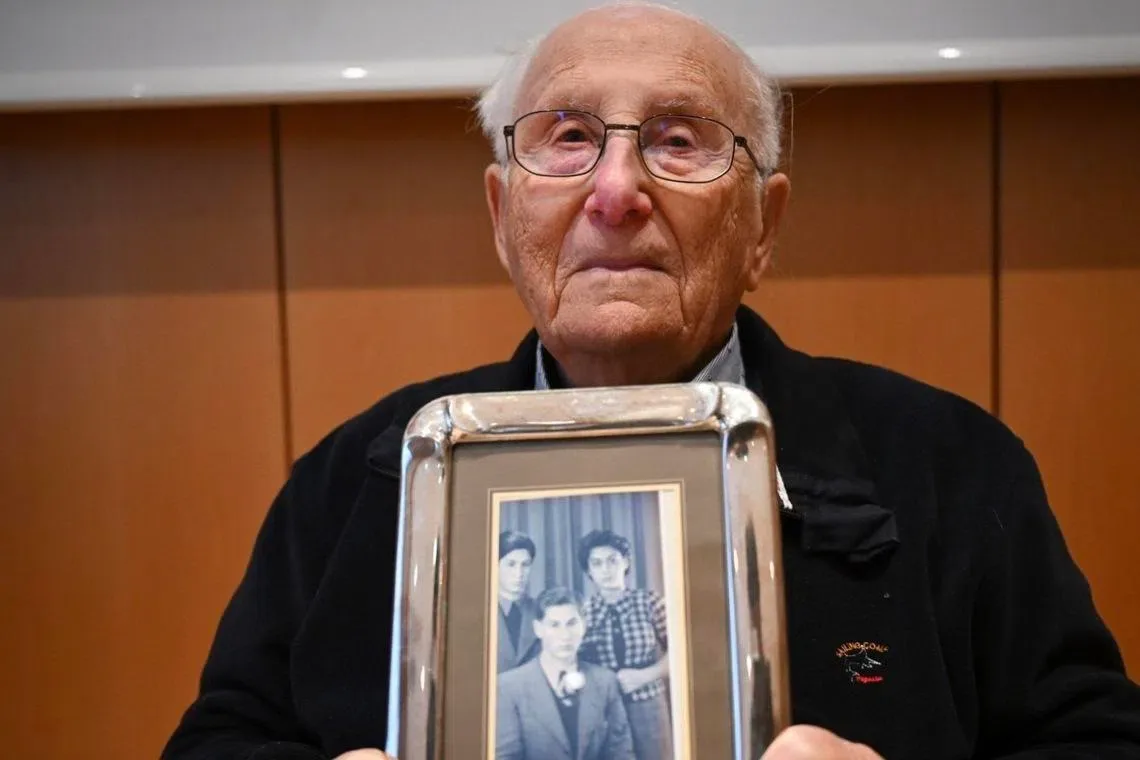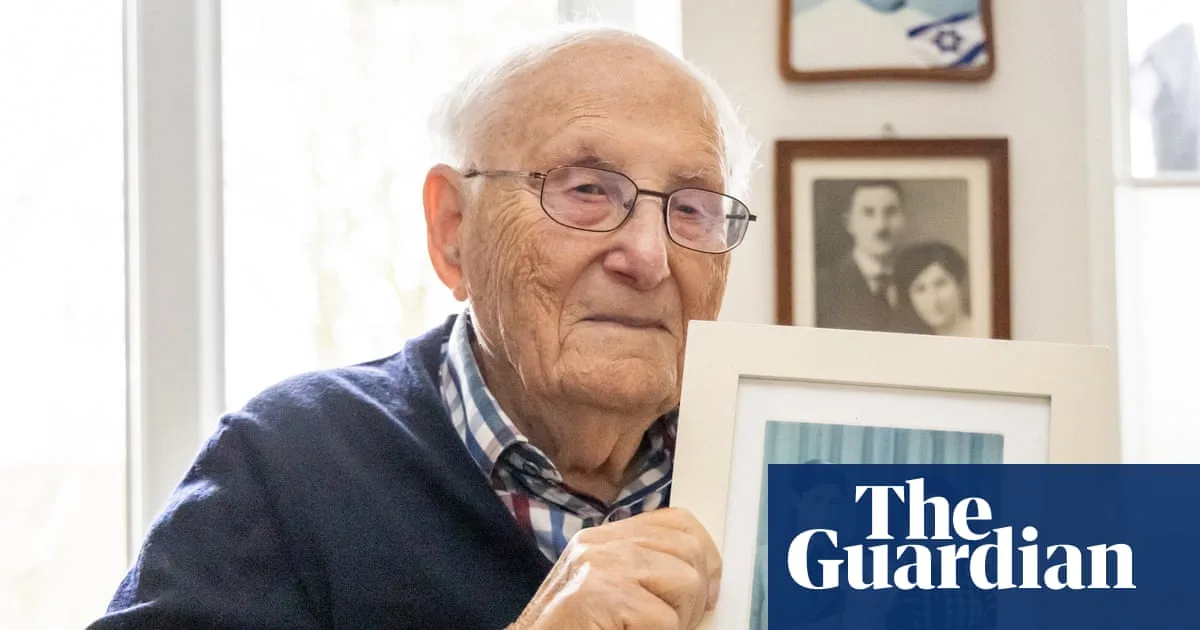
Albrecht Weinberg, a German Holocaust survivor who endured Auschwitz, Mittelbau-Dora, and Bergen-Belsen camps, died peacefully in his sleep on May 12, 2026, at age 101 in Leer, north-western Germany [1, 2]. Weinberg lost over 40 family members during the Holocaust [2].
Born on March 7, 1925, in Rhauderfehn near Leer, Weinberg survived three Nazi death marches before being liberated [1]. After World War II, he emigrated to the United States with his sister, where he remained silent about his experiences for decades [2].
Around 2012, in his late 80s, Weinberg returned permanently to Germany from New York. He devoted himself to educating high school students and others about Nazi crimes, recounting his traumatic past with energy and urgency. Leer’s mayor Claus-Peter Horst said that since Weinberg's return, "he recounted tirelessly and with incredible energy his terrible experiences during the Nazi era and warned again and again against forgetting" [1].
Weinberg published a memoir and shared candid reflections on his lasting trauma. He told a reporter, "I sleep with it, I wake up with it, I sweat, I have nightmares, that is my present." He also said, "When my generation is not in this world any more...then the next generation can only read it out of the book" [1].
In 2025, Weinberg returned Germany’s Federal Cross of Merit in protest against a parliamentary immigration motion supported by the far-right AfD party. He expressed fears of history repeating itself and the dangers posed by rising far-right influence. President Frank-Walter Steinmeier paid tribute, calling his work for freedom and democracy "tireless" and said Weinberg’s return of the award was "painful" but a call to defend democracy [1, 2].
Israel’s ambassador Ron Prosor called Weinberg "a bridge – between past and present, between pain and hope, between the dead he could never forget and the young people whom he encouraged to seek the truth" [1].
Weinberg died weeks after the premiere of a film about his life [1]. His passing marks the end of a direct witness who spent his final years committed to remembrance and education.