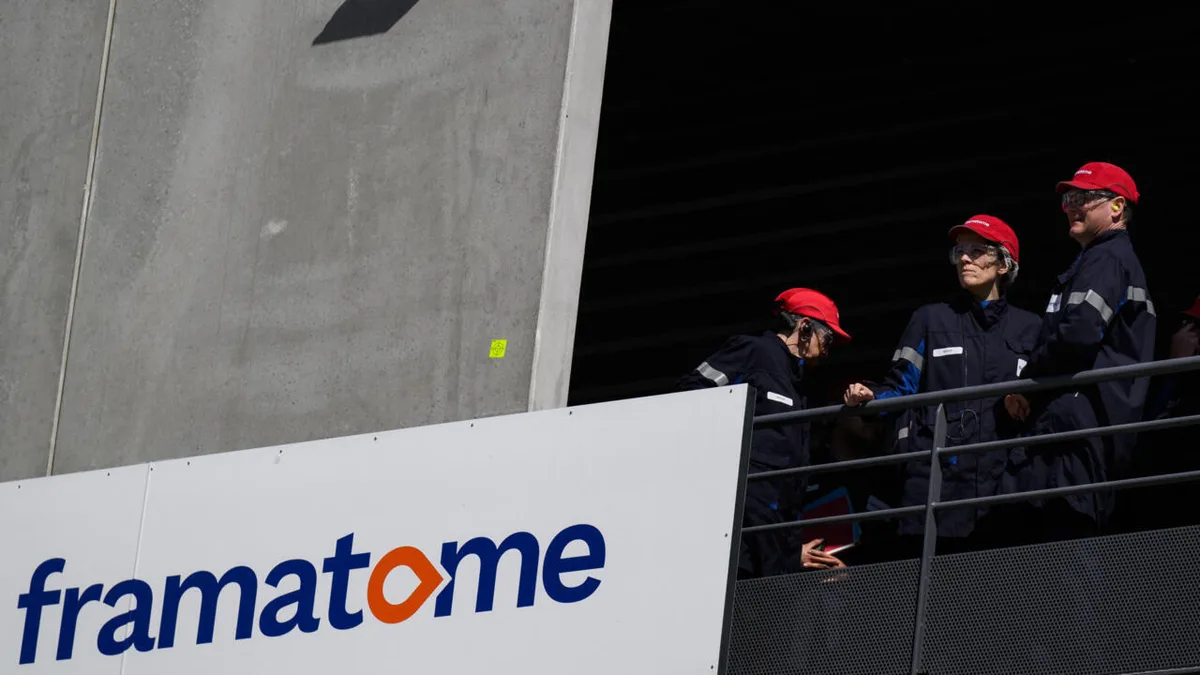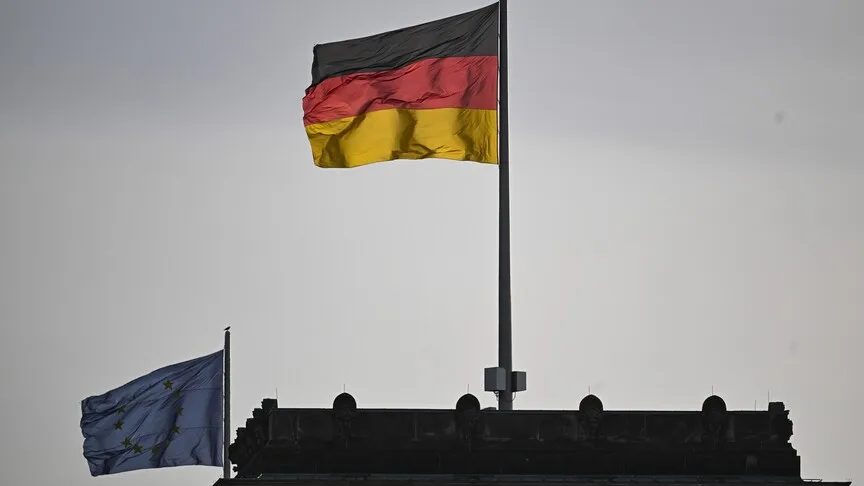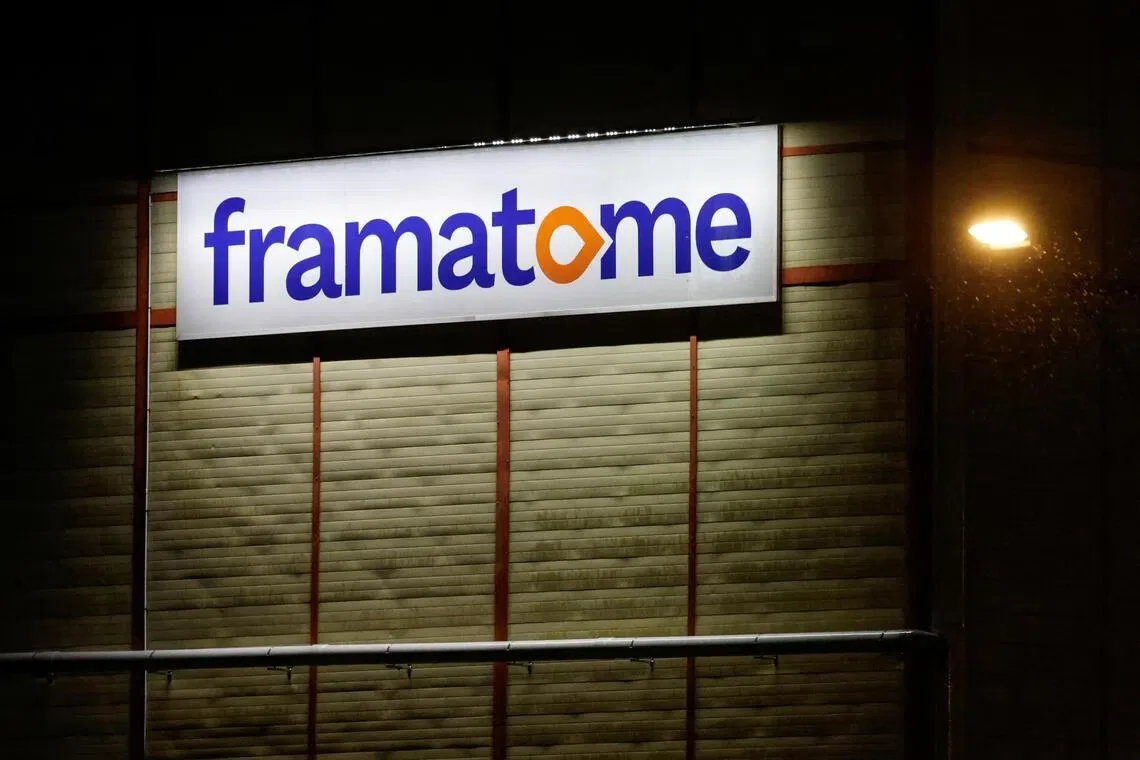
Germany's Lower Saxony environment ministry approved on July 22, 2026, a joint nuclear fuel rod production project involving French company Framatome's subsidiary ANF and Russia's state-owned Rosatom at Framatome's Lingen facility in Lower Saxony [1, 2, 3, 4].
The project focuses on producing fuel rods for Russian-designed nuclear reactors operating in Central and Eastern Europe [1, 3, 4]. The approval was granted despite criticism from politicians and security experts worried about potential Russian spying and sabotage at the site [1, 2, 3, 4].
ANF submitted its application for permission in March 2022, shortly after Russia launched its full-scale invasion of Ukraine in February 2022 [1, 2, 3]. Rosatom, which remains exempted from EU sanctions linked to the Ukraine war, plays a crucial role due to the EU’s limited alternatives for nuclear fuel supply [1, 2, 3, 4].
Christian Meyer, Lower Saxony’s Environment Minister, acknowledged the controversy: "Dealings and close cooperation with Putin’s nuclear agency are totally wrong," but said the ministry had "no legal possibility to reject or put a time limit to the application" without sanctions on Rosatom [1]. He added that Rosatom and Russian nuclear fuel supplier TVEL employees would be allowed on-site only in very limited cases and always accompanied by inspectors [2]. The approval also includes strict conditions such as separate audits of Russian equipment and regular security training for ANF employees [1, 2, 3].
The approval can be revisited if new national security risks emerge [1, 2, 3].
Some German politicians voiced strong opposition. Marc Henrichmann, a CDU lawmaker, warned that "Russians are trying to seek indirect ways to keep vital parts of our critical infrastructure under their control. Instead of Framatome entering a joint venture with (Rosatom), our French friends should turn to other producers" [1]. Roderich Kiesewetter, another CDU politician, called the decision "dangerous to security and must be reversed" [4].
The project remains controversial because it involves close cooperation with Russia amid the ongoing war in Ukraine [1, 2, 3, 4]. The next major date will be ongoing oversight and potential reassessment by German authorities if security concerns increase [1, 2, 3].