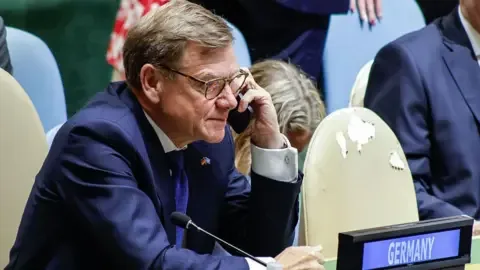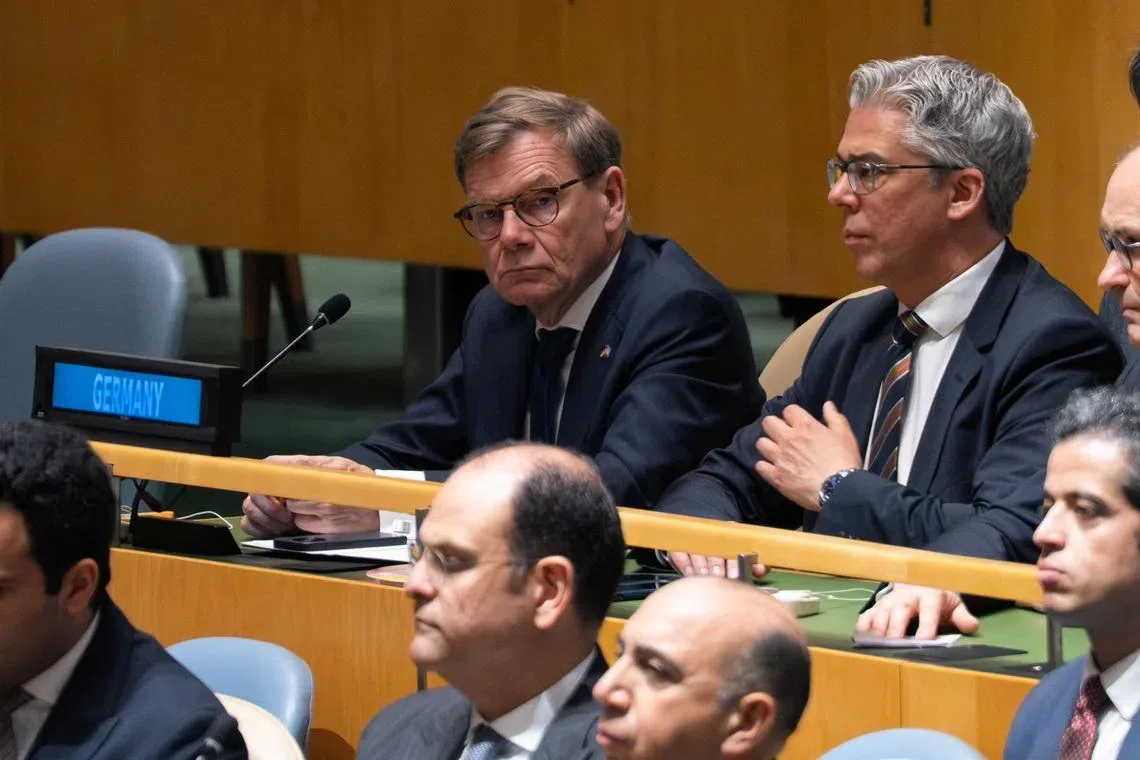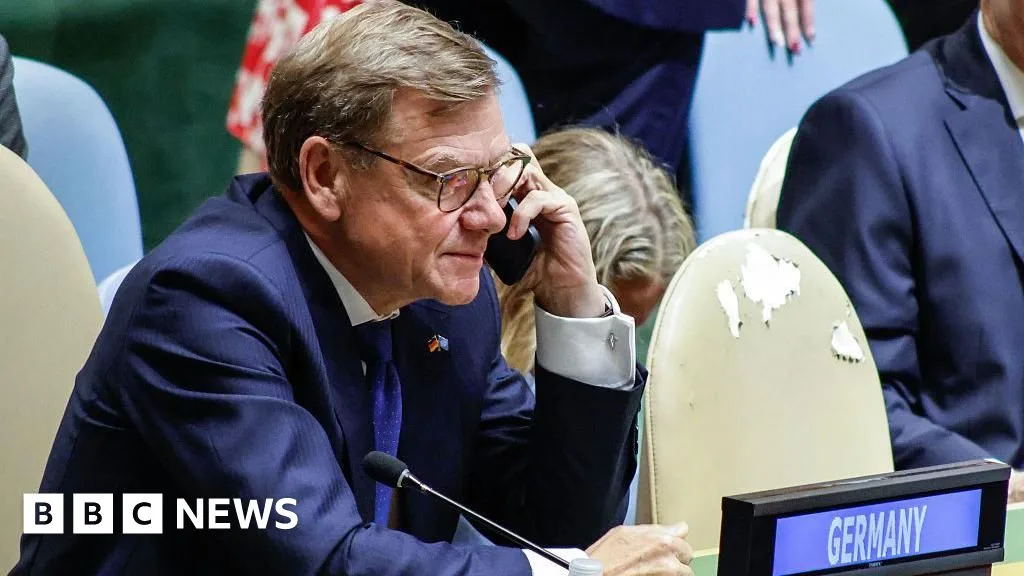
Germany failed to secure a non-permanent seat on the United Nations Security Council for the 2027-2028 term after receiving 104 votes on June 3, short of the two-thirds majority threshold of 127 votes required [1, 2, 3, 4, 5, 6]. Portugal and Austria won the two available seats in the Western European and Others Group, receiving 134 and 131 votes respectively [1, 2, 3, 4, 5, 6].
This is the first time Germany has failed to earn one of the elected Security Council seats it has traditionally held roughly every eight years since joining the UN in 1973 [3, 5, 6]. German Foreign Minister Johann Wadephul pointed to Germany’s late entry into the race as a disadvantage. "Germany entered late, meaning we were at a disadvantage from the start," he said, calling the loss a "bitter defeat" [4].
Wadephul also linked the outcome to Germany’s strong support for Ukraine amid Russia’s invasion and its firm stance supporting Israel in the Middle East conflict. "There is our firm support for Ukraine; the fact that Russia does not want such a voice at the Security Council. It is no secret that Russia stirred up sentiment against Germany," he said [1]. He added that Germany’s special responsibility for Israel may also have cost votes, since “these are positions that not all member states share” [2].
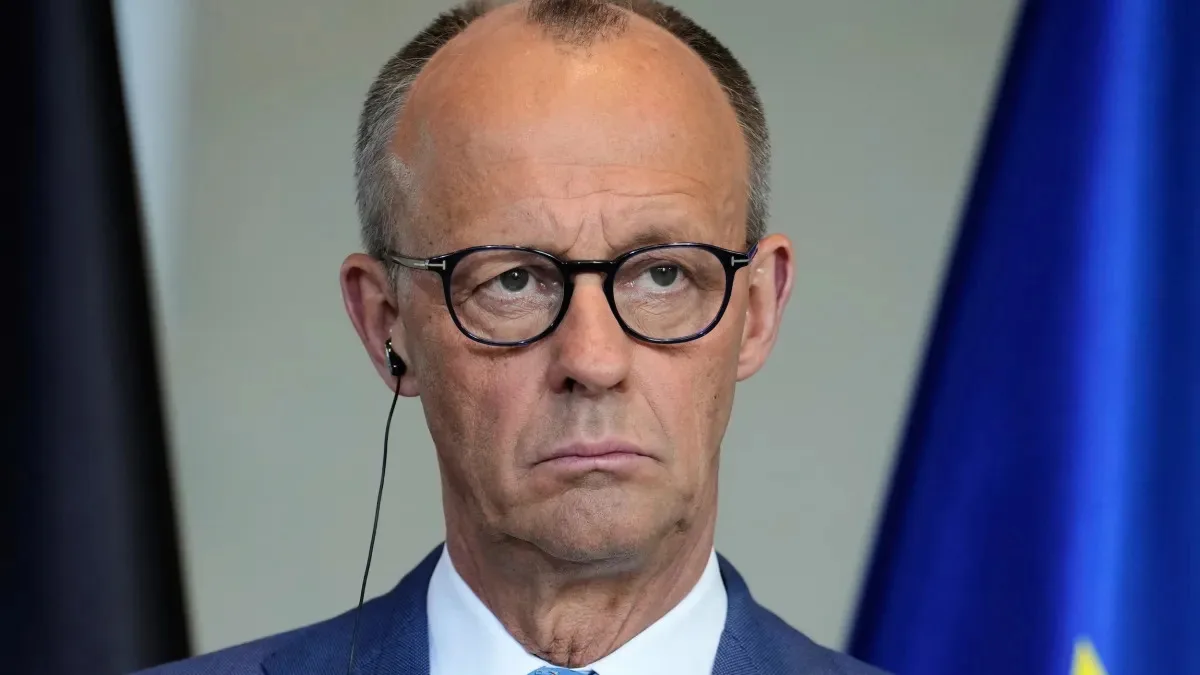
German Chancellor Friedrich Merz called the result a "bitter defeat" but said it would not change Germany’s role at the UN, stating, "Germany remains a reliable pillar of the multilateral system" and congratulating Austria and Portugal [1, 2, 4, 6]. Opposition parties criticized the Merkel government, calling the outcome an embarrassment and diplomatic failure [2, 7].
Austria’s Chancellor Christian Stachel emphasized his country’s approach would focus on upholding multilateralism and the rule of law rather than power politics. He said, “The world’s problems cannot be solved through ‘domination and hegemony.’ Austria will work to maintain multilateralism. What must prevail is not the strength of powers but the force of law” [7].
Germany is reportedly reconsidering its financial contributions to the UN, questioning whether large investments are justified without corresponding influence on decision-making [6]. The UN General Assembly held the secret ballot on June 3 to select the two non-permanent members for 2027-28, concluding the vote with Portugal and Austria elected and Germany losing [1, 2, 3, 4, 5, 6].