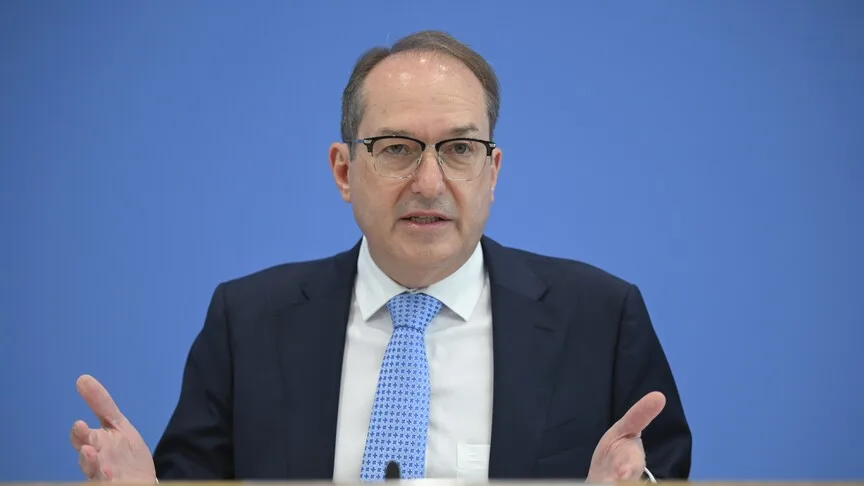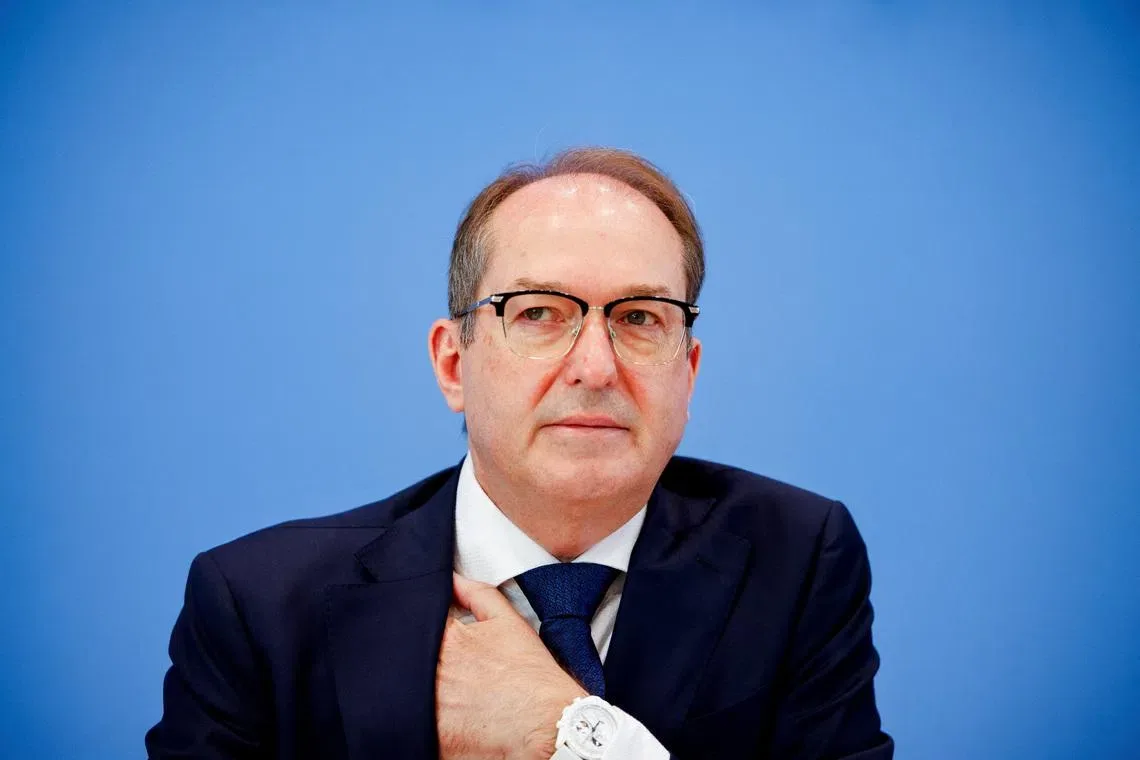
Germany raised its security threat level from "abstract" to a "high threat level" following a rise in intelligence reports about potential attacks, Interior Minister Alexander Dobrindt announced on July 18, 2026 [1, 2, 3, 4]. Dobrindt said, "This means that the risk of attacks must be reckoned with at all times in Germany," adding that attack plans targeting the country are "clearly identifiable" and include threats to critical infrastructure, individuals, and institutions [1, 3].
The elevated threat level requires German authorities to prepare for terrorist attacks at any time, according to Dobrindt, who stressed, "Germany must be prepared for the risk of terrorist attacks at any time" [3]. The decision comes amid recent years of violent incidents, including a 2024 Christmas market ramming attack in Magdeburg by a Saudi doctor that killed six people and injured hundreds [1, 2, 4]. In addition, a 2024 stabbing attack at a festival in Solingen, carried out by a Syrian citizen inspired by Islamic State ideology, resulted in three deaths and 10 injuries [1, 2, 4].
German courts have since sentenced the perpetrators involved: the Saudi doctor received a life sentence in July 2025, and the Syrian attacker was convicted in 2025 [1, 2, 4]. Authorities have also recently foiled a planned bomb attack allegedly orchestrated by recruits linked to foreign intelligence services, showing the ongoing nature of threats [3].
Security efforts against violent left-wing extremism have intensified as well. Investigations are advancing into incidents such as sabotage targeting Berlin’s electrical infrastructure [3].
Interior Minister Dobrindt announced plans to reform intelligence laws to grant expanded operational powers to security agencies, including intervention and search capabilities during acute terrorist situations. The government expects to discuss the proposed legislation at a cabinet meeting scheduled for August 13, 2026 [3].