Germany recorded about 14,000 heat-related deaths this summer, surpassing the previous record of 8,900 in 2018, the Robert Koch Institute reported by August 9 [1]. Nearly 9,600 of those deaths occurred in a single week in late June when temperatures topped 40°C, with most fatalities among people aged 75 and older [2, 3, 4, 5, 6, 1]. The institute noted that many deaths resulted from heat exacerbating pre-existing medical conditions rather than heat directly causing death, requiring statistical methods to estimate heat impact on mortality [2].
Spain recorded nearly 4,500 heat-related deaths since June 1, 2026 [2, 3, 4, 5, 7]. France reported more than 7,300 excess deaths attributed to heat from May 31 to July 22, 2026 [2, 3, 4, 5, 6]. EuroMOMO, the European mortality monitoring network, estimated over 32,000 excess deaths across Europe linked to heatwaves and drought from mid-July to mid-August 2026 [7].
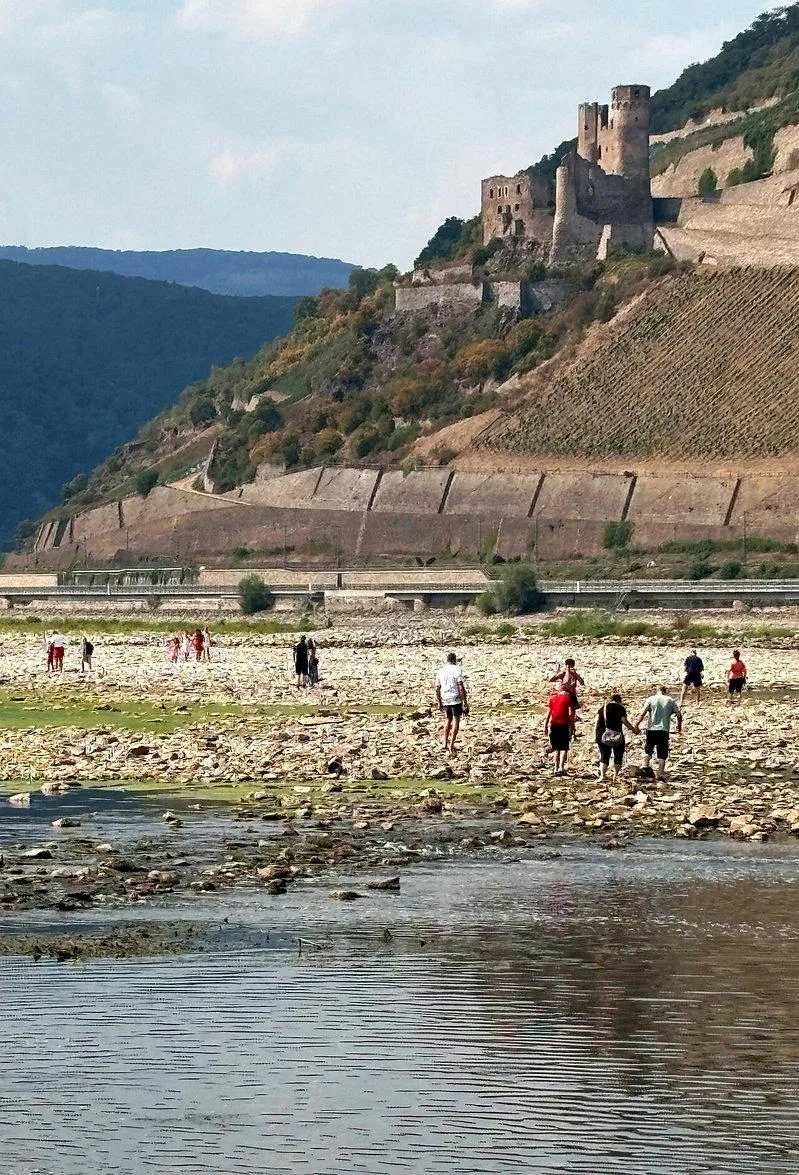
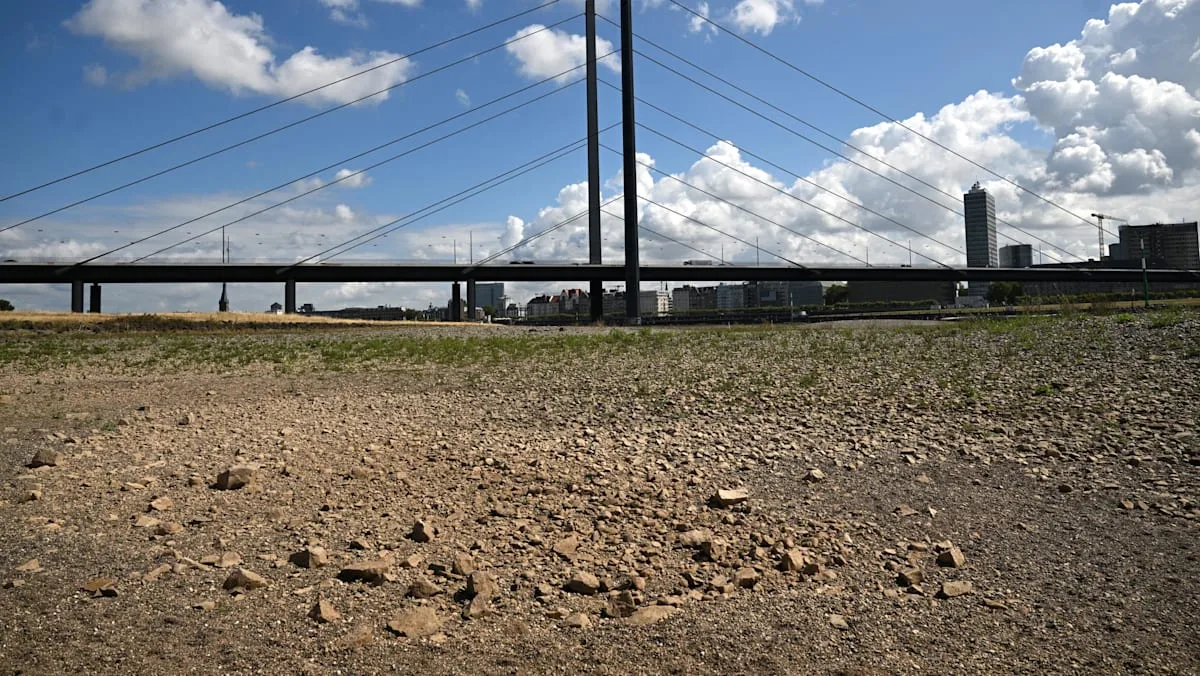
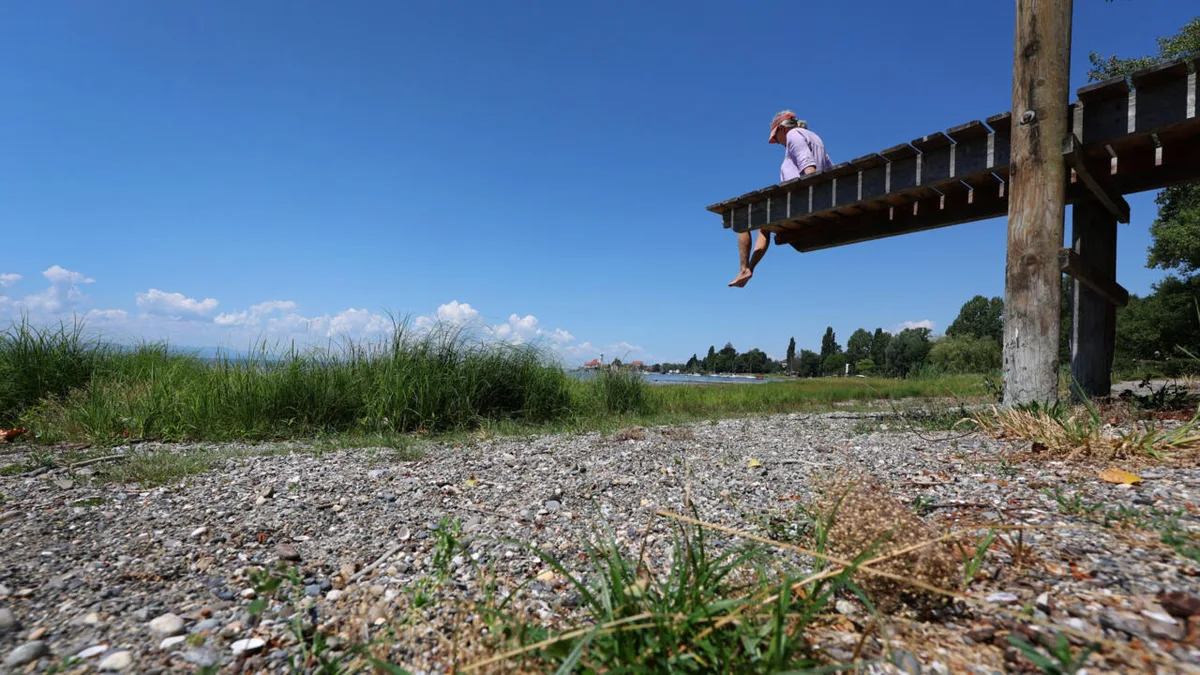
Extreme heat and prolonged drought have also caused wildfires, crop failures, and lower water levels in major rivers, disrupting navigation in parts of Europe [2, 3, 4, 5, 6, 1, 8].
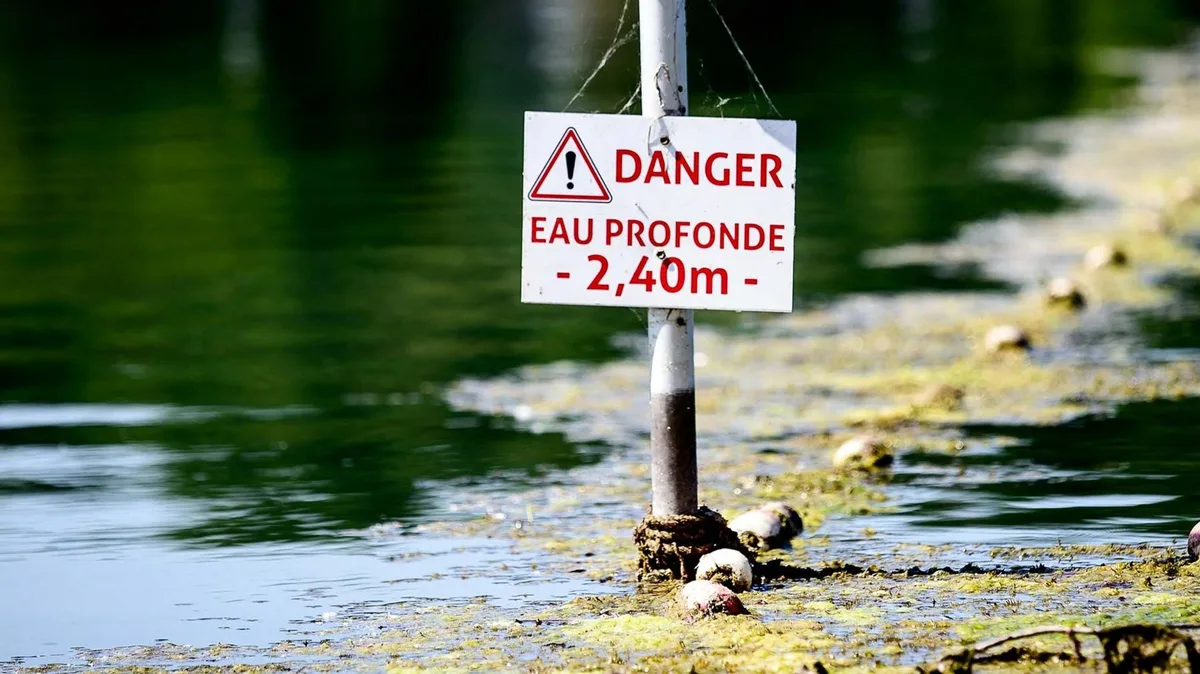
France recorded 301 drowning deaths related to heatwaves since June 19, a 14% increase compared to the same period in 2025 [9, 10, 11, 12]. Many drownings involved elderly people swimming in unauthorized or unsupervised areas, including private pools. French Sports and Youth Minister Marina Ferrari said, "Many deadly accidents have occurred in areas that are not authorised or supervised for swimming. Many drownings, particularly among the elderly, occurred in individual pools" [9]. She added that numerous people took risks by entering unsafe waters amid the heatwaves [11]. Sudden immersion in cold water during the heat can cause physiological shock, contributing to drownings [9].
SPD’s Environment Minister Carsten Schneider said the climate crisis is now a tangible reality but current laws limit government responses, including helping states and municipalities adapt to the extreme heat [2].
Reports also highlighted that heatwaves exacerbated existing health problems, making heat-related death numbers difficult to capture precisely on death certificates [2, 4, 5, 6, 1].
The heatwave and its impact on mortality show no sign of abating as Europe continues to face record-breaking temperatures. Authorities are monitoring the situation as summer ends, with public health warnings ongoing amid continuing hot, dry conditions.