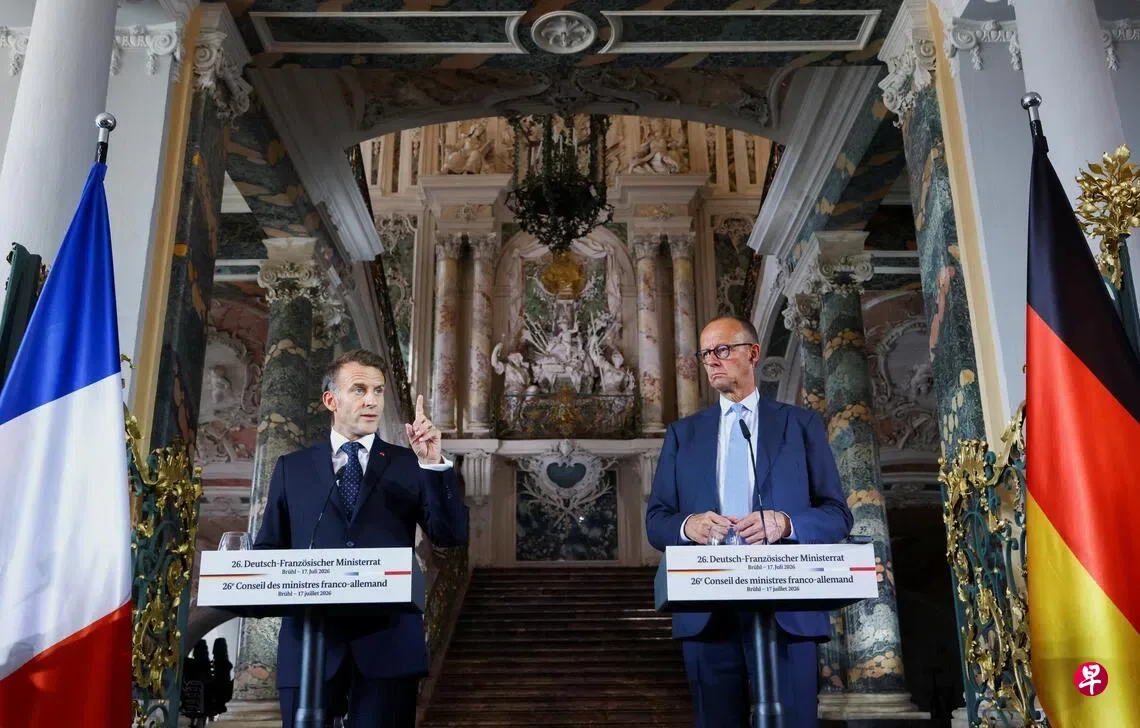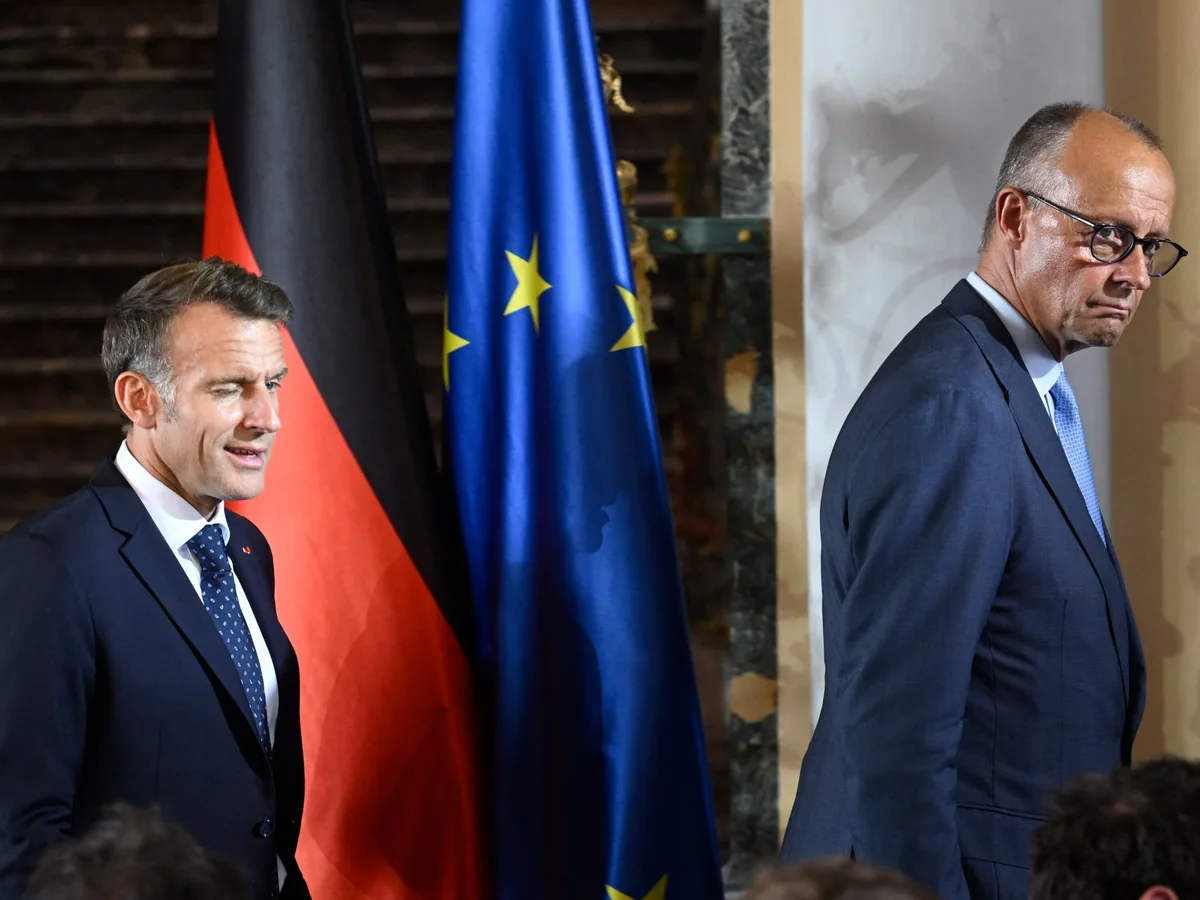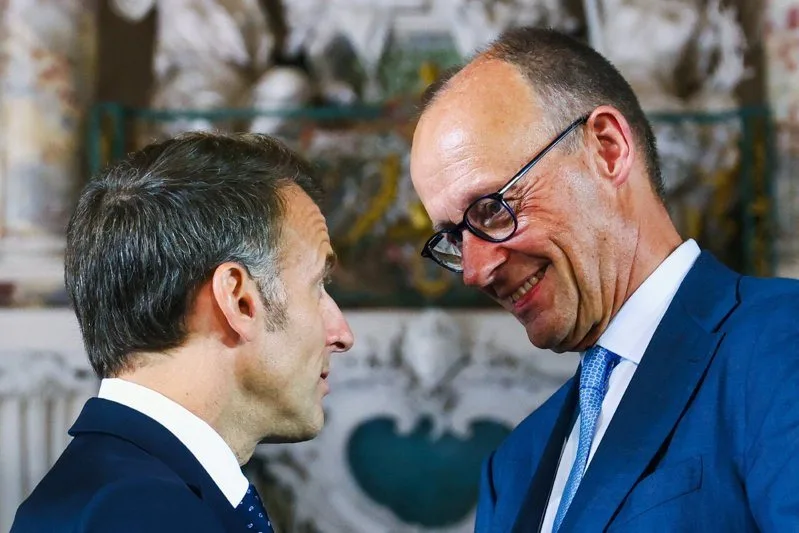
Germany will deploy conventional troops to take part in a French nuclear deterrence exercise scheduled for autumn 2026, marking its first involvement in such an exercise with France [1, 2, 3, 4]. Chancellor Friedrich Merz announced, "We will have German conventional forces participate in a nuclear exercise conducted by the French armed forces before the end of this year," reinforcing Germany’s growing role in European defence cooperation [3].
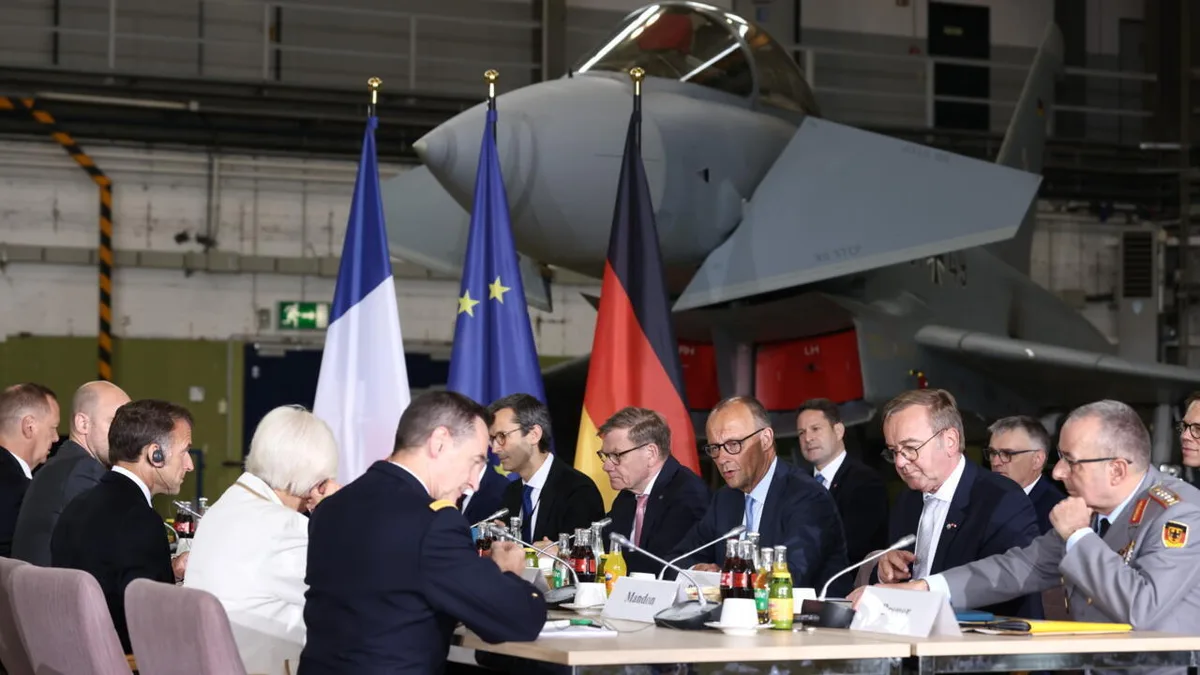
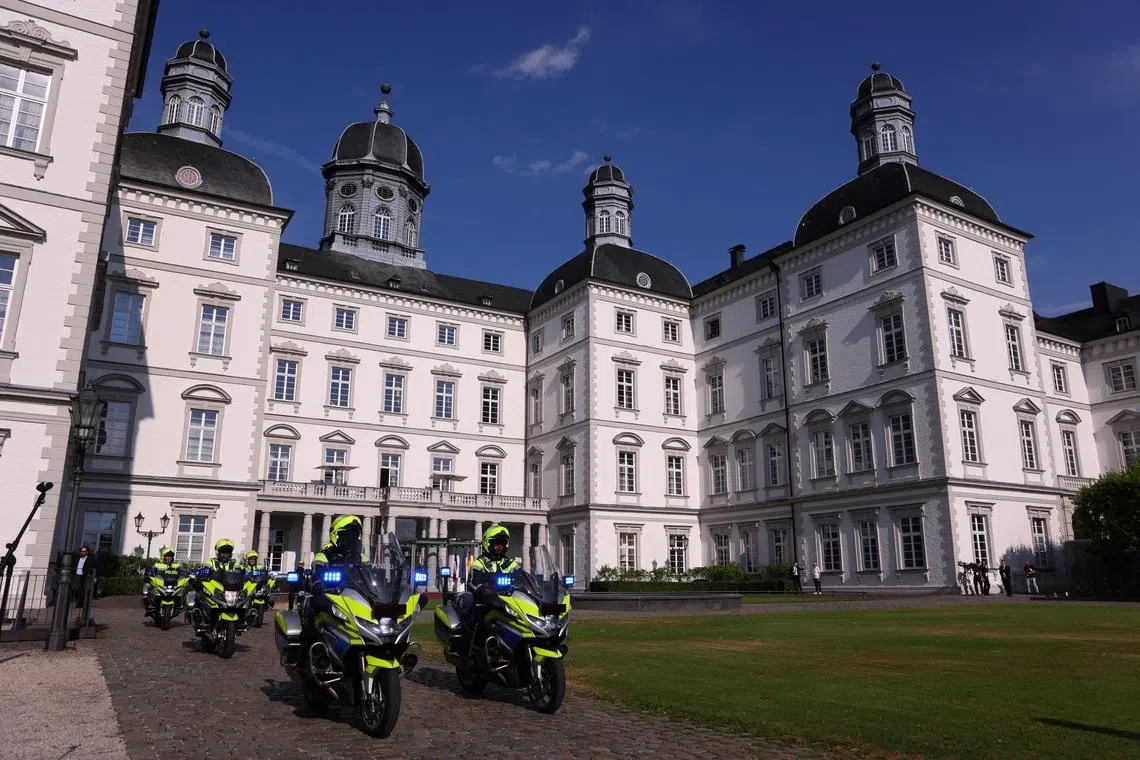
The announcement followed joint defence talks held by Merz and French President Emmanuel Macron near Cologne on July 16-17, 2026, during the Franco-German Defence and Security Council meeting, which also took place near Cologne and Bruhl [5, 1, 6, 7, 8]. The leaders agreed to deepen cooperation across areas including nuclear deterrence, missile defence, long-range strike capabilities, and space surveillance [5, 1, 2, 3, 6].
Macron described Germany’s participation as playing a "vanguard role" crucial for Europe’s collective security, while emphasizing that "French nuclear deterrence will continue to be fully funded and controlled by France" [1, 3]. Merz stressed that the cooperation complements NATO’s existing nuclear sharing framework, saying, "This complements our commitment to NATO’s nuclear sharing and deterrence arrangements, which we continue to uphold" [8].
The Franco-German partnership extends beyond nuclear matters to joint projects such as missile defence systems, the Eurodrone unmanned aerial vehicle, the Main Ground Combat System (MGCS) tank program, and space capabilities [5, 4, 9, 10]. Despite the cancellation of the Future Combat Air System (FCAS) joint fighter jet program earlier in 2026 due to industrial disagreements, the two countries will continue technology collaboration on initiatives like the combat cloud [5, 1, 4, 9].
Both leaders committed that future political changes in either country would not impede the deepening of their defence cooperation. Merz said, "Regardless of how French voters decide, Germany will continue to strive for deep, close, and trusting cooperation with France" [9, 10].
German and French jets recently carried out joint midair refueling exercises, symbolizing enhanced operational ties [2, 6, 8]. Macron also proposed a "forward nuclear deterrence" concept, enabling European allies to temporarily host French nuclear assets and train alongside French forces, adding a new dimension to nuclear cooperation in Europe [5, 2].
Additionally, France has encouraged Germany’s participation in an EU "volunteer coalition" planning military exercises this autumn to support Ukraine [1, 4, 11].