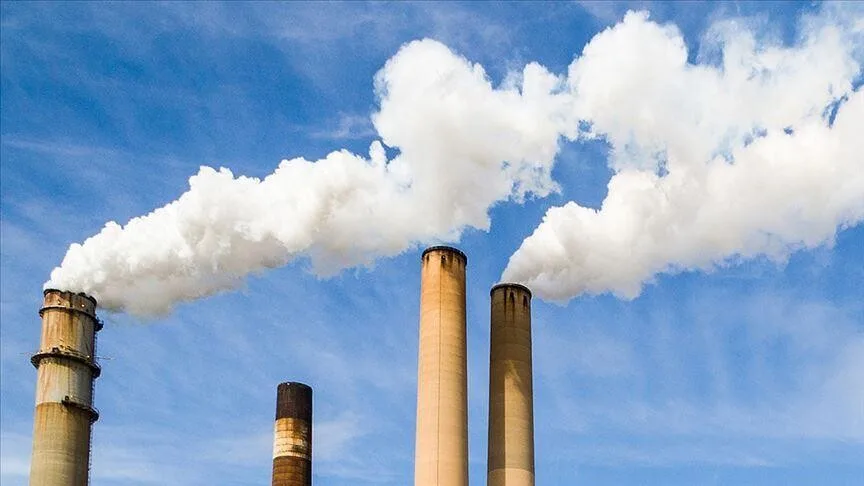
Germany will not meet its legally binding greenhouse gas emissions reduction target of 65% by 2030 compared to 1990 levels, an independent advisory Council of Experts on Climate Change warned on May 18, 2026 [1, 2, 3]. The council's report called for a swift overhaul of the government's current climate action plan, saying it is insufficient and overly optimistic in its emissions reduction estimates [1, 2, 3].
Germany aims to achieve climate neutrality by 2045, but the council said even full implementation of the current measures is unlikely to meet the 2030 target or the more ambitious 2040 goal of at least 88% emissions reduction from 1990 levels [2]. The plan announced in March 2026 includes electric vehicle subsidies and wind power incentives, which are expected to save an estimated 6.5 million tons of CO2, but this falls short of what is needed [1, 2, 3].
Experts highlighted that actual emissions, particularly in the building and energy sectors, may be higher than government estimates, contributing to the shortfall [1, 3]. Barbara Schlomann, head of the expert committee, said, "依我們評估,該計畫的實際減排效果,可能遠低於政府設想," meaning the emissions reductions are likely much lower than the government expects [1].
Environment Minister Carsten Schneider acknowledged the council’s warnings. "I take the warnings from the Expert Council seriously and will have them thoroughly reviewed. After all, whether Germany meets its climate targets is crucial to Europe’s efforts to avert dangerous climate change," he said. Schneider added that the "most important response" is to give "full priority to renewable energy" [2].
Environmental Action Germany (DUH), a leading NGO, has previously sued the government over insufficient climate plans and said it intends to legally challenge the new plan as well [1, 3].
The report marks a critical moment for Germany’s climate policy. The government is now expected to revise its climate action strategy to close the emissions gap before the 2030 deadline.