The far-right Alternative für Deutschland (AfD) secured 43.8% of the vote in the Saxony-Anhalt state election held on September 6, 2026, marking the party’s strongest result in any German state election to date [1, 2]. The AfD won 39 of 83 seats in the Magdeburg parliament, three short of the 42 needed for an absolute majority [1, 2].
The incumbent Christian Democratic Union (CDU), led nationally by Chancellor Friedrich Merz, suffered a historic low result with about 17.2% of the vote and lost a majority of its seats in the state parliament [1, 2]. Other parties represented include the Social Democrats (SPD) with 9.3%, the Greens with 8.9%, the Left Party with 8.6%, and the Sahra Wagenknecht Alliance (BSW), which passed the 5% threshold with 5.3% [2]. The Free Democrats failed to enter parliament, winning only 2.6% [2].
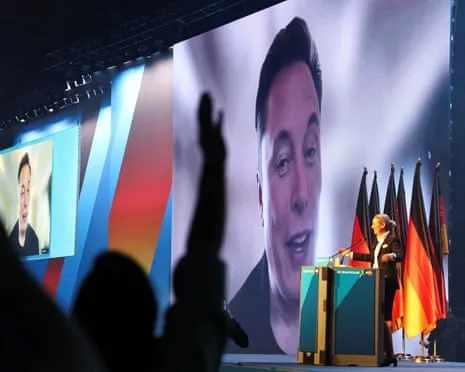
Voter turnout rose sharply to 77.8%, the highest since German reunification, up from 60.3% in 2021 [2]. AfD lead candidate Ulrich Siegmund thanked billionaire Elon Musk for his support after the victory and said, "We have achieved exactly what we set out to achieve. We have made history in this country" [1, 2]. Siegmund acknowledged coalition talks would be difficult, signaling cooperation would only be possible with deputies backing AfD demands. He added, "If necessary, there will just be new elections" [2].
The AfD is viewed as a pro-Russian, anti-immigration, populist party that has called for stopping support to Ukraine and ending refugee status for Ukrainians in Germany [1, 3]. Major mainstream parties have ruled out formal coalitions with AfD, raising the possibility of minority rule, fresh elections, or issue-based agreements, potentially involving the left-wing Sahra Wagenknecht Alliance [1, 2].
The election outcome has sparked political tensions in Germany and abroad. The Polish Foreign Minister called the AfD victory "a very worrying sign" on September 7, highlighting international concern over the result [4]. Chancellor Friedrich Merz faces increased pressure and a loss of authority following the CDU’s defeat [1, 3].
Discussions on Saxony-Anhalt’s new government formation and Merz’s response to the election will unfold in the coming days as parties explore possible paths forward [1, 4].