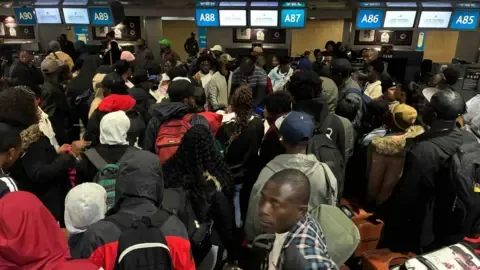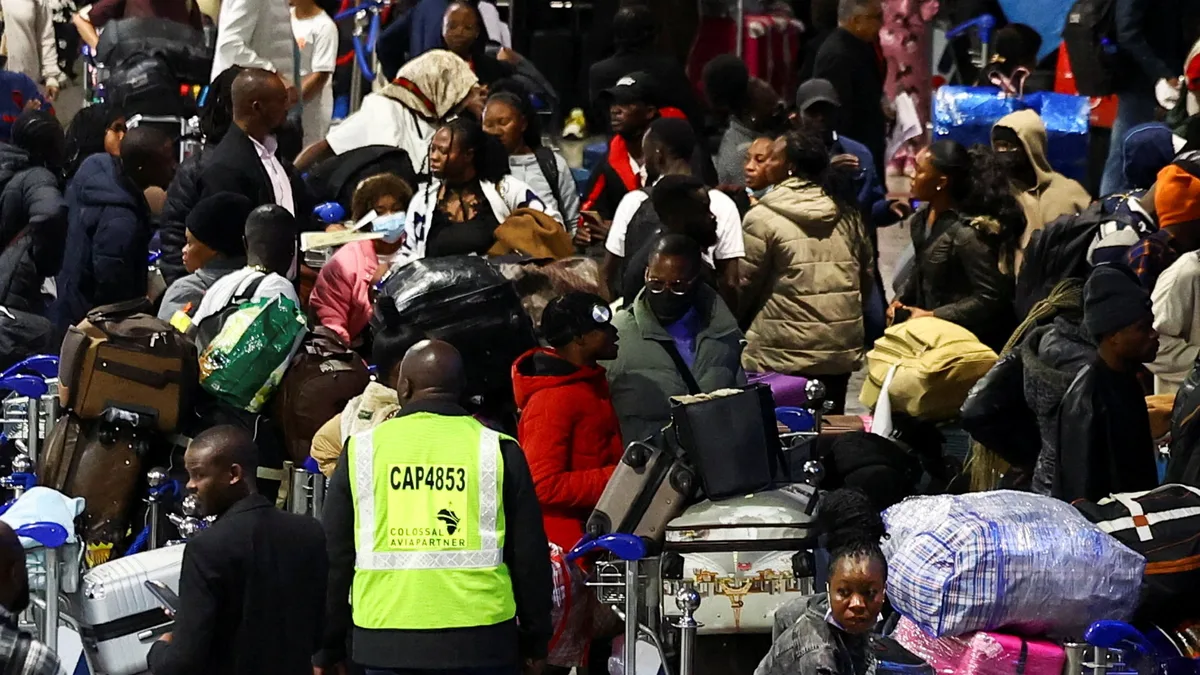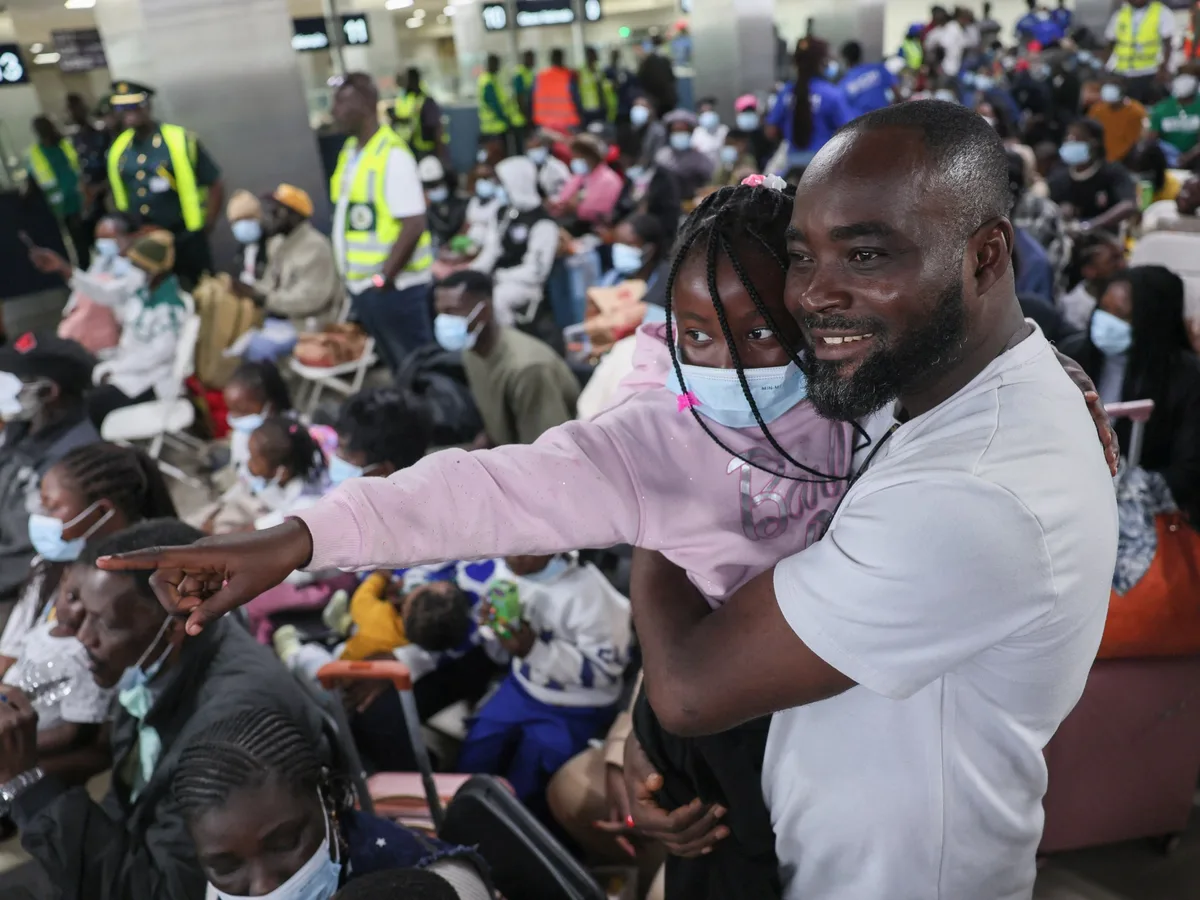
Ghana began repatriating its citizens from South Africa due to rising anti-immigrant protests and fears of xenophobic violence, starting on May 27 and 28, 2026 [1, 2, 3, 4, 5]. The initial group of approximately 300 people, including men, women, and children, arrived back in Ghana on those dates [1, 3, 4, 5]. In total, about 800 Ghanaian nationals had registered their intention to be repatriated [1, 4].
The anti-immigrant protests, which have lasted several weeks, began notably in Durban before spreading to other South African provinces [1, 4]. Protesters called for undocumented migrants to leave by June 30, 2026, amid growing xenophobic violence [1, 4]. South Africa’s Border Management Authority reported that around 90% of Friday’s travelers were undocumented migrants with overstayed visas [4]. The country’s unemployment rate, exceeding 30%, has added to social tensions fueling the unrest [4].
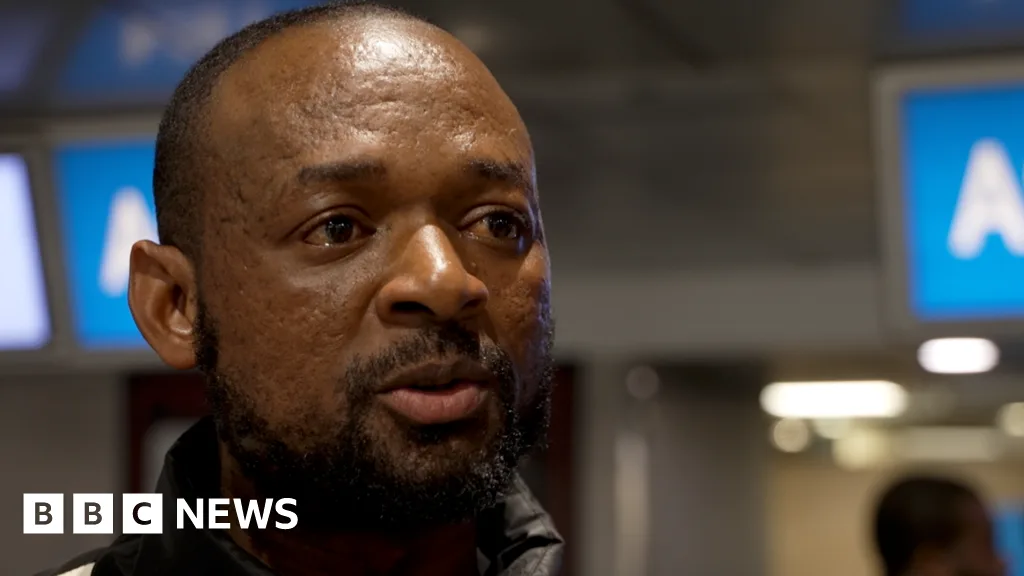
Many returning Ghanaians reported feeling unsafe and harassed during the protests. One returnee, Victor Atsu Togbe, said, “It has never been easy for us in South Africa over the past few weeks. We want to thank the Ghanaian government for taking us out of the lion’s den” [1, 4]. Rudolph, a Ghanaian salon owner in South Africa, said, “It's not comfortable for us to stay here anymore, so we have to go. I think we will find peace at home” [1]. Others said economic activity had come to a standstill due to the hostile environment [1].
The Ghanaian government emphasized its role in protecting citizens abroad. Ghanaian High Commissioner Benjamin Quashie said, “The Ghanaian government listened to the plight of its citizens in South Africa, who felt that their lives were in danger, who felt like the economic activity that they were engaging in had come to a standstill, who felt unwelcome in this country, and it is the responsibility of every government to ensure that its citizens are taken care of both home and abroad” [1]. Foreign Minister Samuel Okudzeto Ablakwa also pledged, “Wherever Ghanaians are, we will make sure you are protected” [4].
The government coordinated with South African authorities to facilitate the voluntary evacuations [1, 4]. The first flights repatriated the initial 300 citizens, while officials continue planning further returns for those registered. The deadline set by protest groups for migrants to leave South Africa is June 30, 2026 [1, 4].