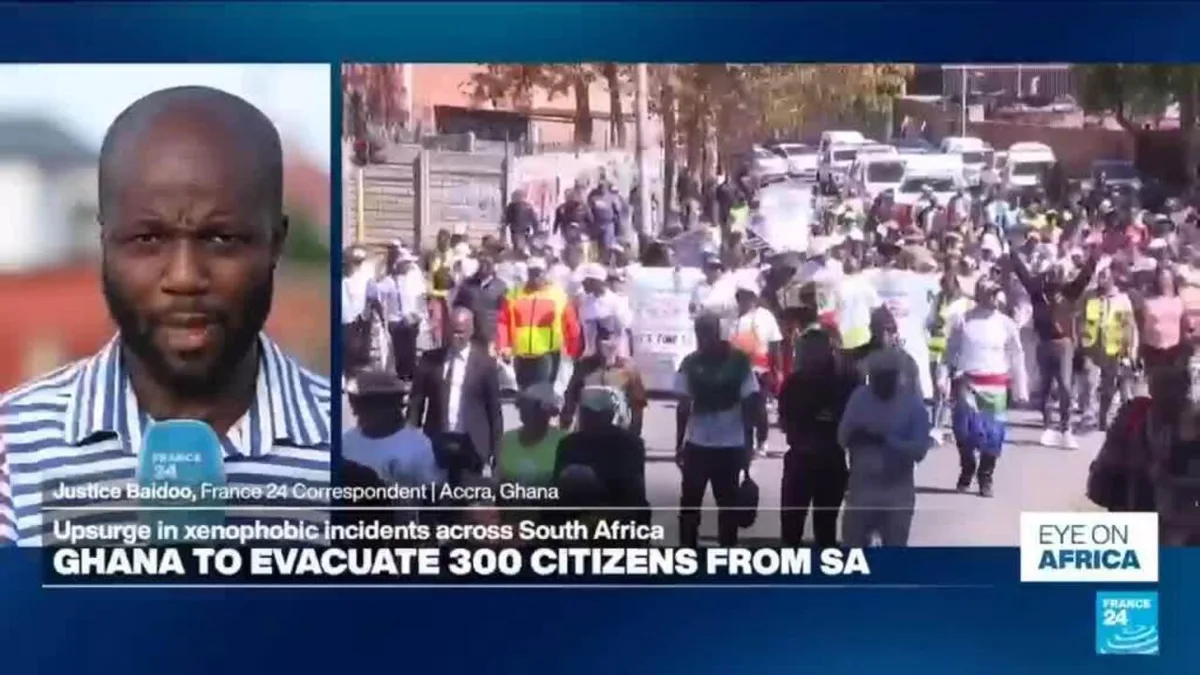
Ghana is evacuating 300 of its citizens from South Africa due to a recent surge in anti-immigrant protests, the Ghanaian Foreign Ministry announced [1, 2]. Foreign Minister Samuel Okudzeto Ablakwa confirmed the evacuation was approved by the Ghanaian president and organized through the embassy in Pretoria, where evacuees had registered following an official advisory [1].
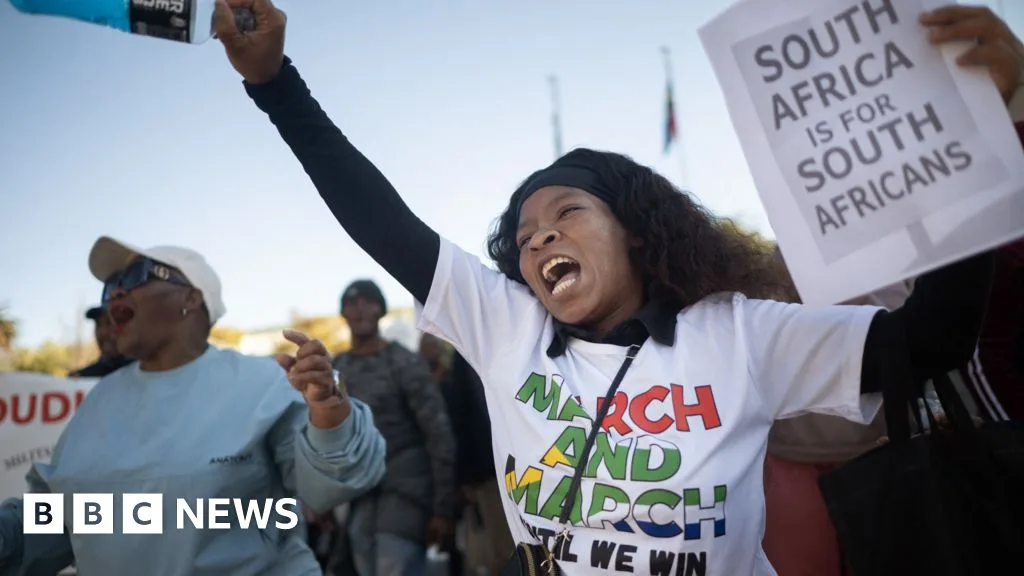
The protests involve thousands of South Africans demanding mass deportations of undocumented foreigners amid growing tensions over illegal immigration [1]. South Africa is home to more than three million foreigners, about 5% of its population, with many presumed undocumented [1].
South African President Cyril Ramaphosa condemned the protests as isolated criminal acts that do not represent government policy. "The recent protests and criminal acts directed at foreign nationals do not reflect government policy. These are isolated acts of criminality," Ramaphosa said on May 11 [1]. He added South Africa would regulate migration, secure its borders, and enforce laws accordingly [1].
Ahead of planned protests in Durban, the Ghanaian embassy advised nationals to avoid public gatherings and to close businesses for safety reasons [1]. Ghana and Nigeria have summoned South African envoys over the treatment of their citizens, and Ghana has requested the African Union hold discussions on the matter [1].
South Africa denies any wrongdoing, condemning fake videos and images circulating about attacks on foreigners [1]. Other countries including Kenya, Malawi, Lesotho, and Zimbabwe have issued similar warnings to their citizens in South Africa [1].
The Ghanaian evacuation process began after a foreign ministry advisory on May 12 prompted registration of vulnerable citizens, with flights and transfers arranged starting May 13 [1]. The Ghanaian embassy's warnings and the evacuation reflect attempts to protect nationals amid rising violence and tension.
The situation remains volatile with more protests and government responses expected in the coming days.