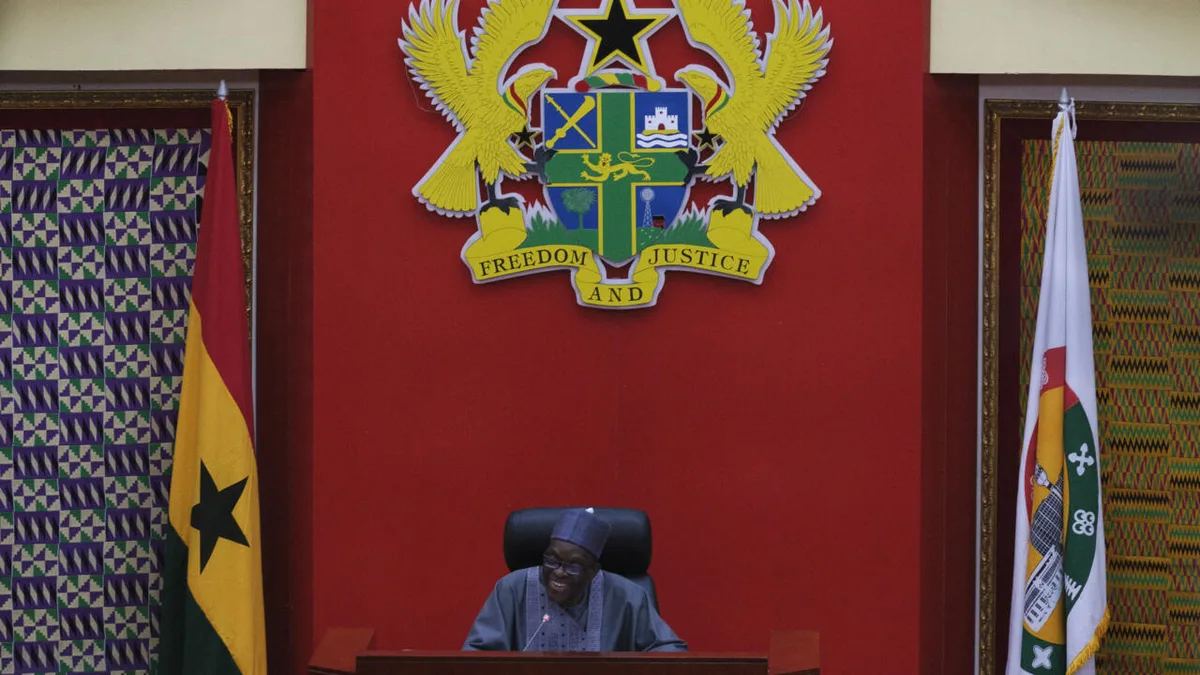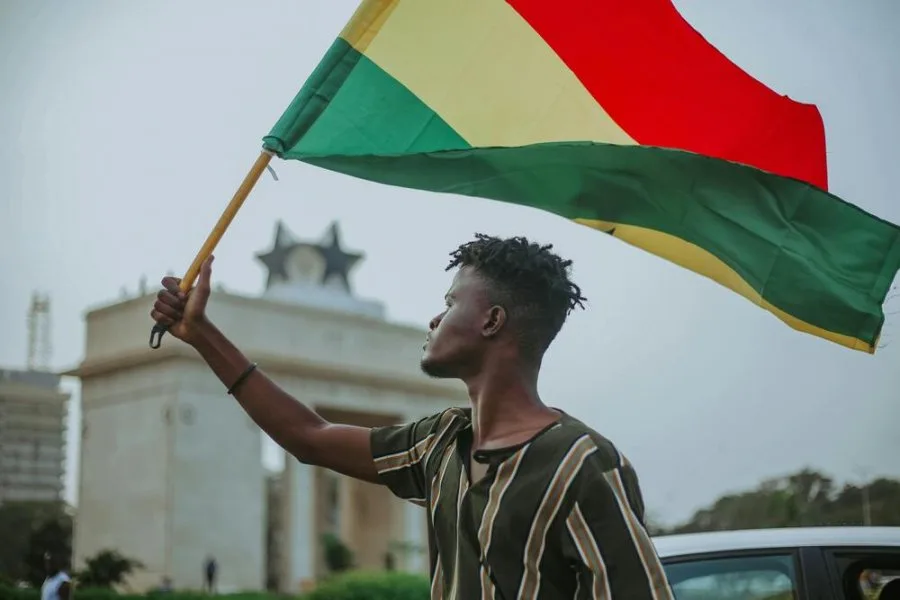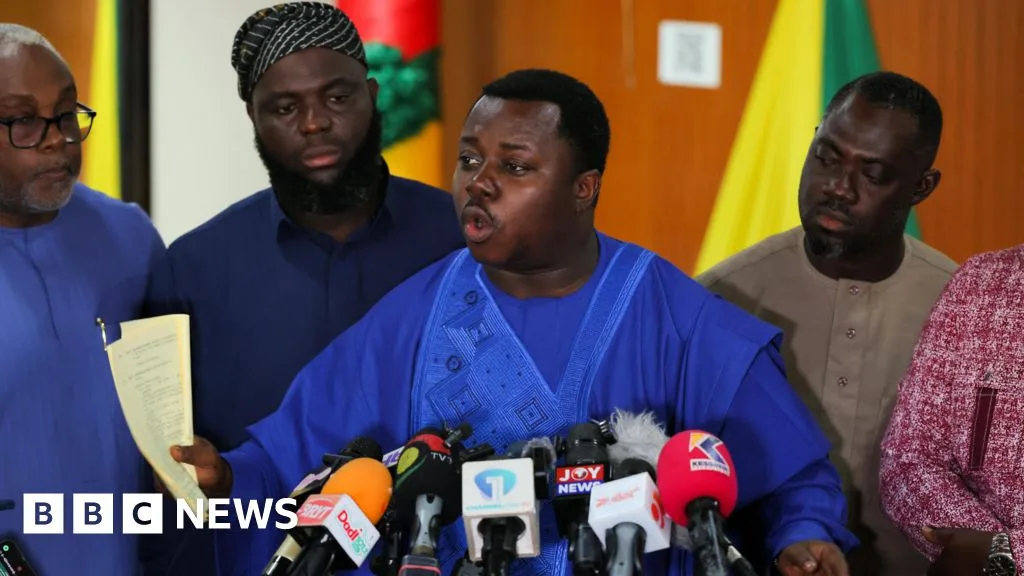
Ghana's parliament unanimously approved a bill on May 29 that criminalises homosexual acts with up to three years in prison and imposes three to five years for promoting or sponsoring LGBTQ+ activities [1, 2, 3, 4]. The legislation also requires citizens to report prohibited acts to police but exempts legal, media, and healthcare professionals who provide services or report on LGBTQ+ issues [5, 1, 2, 3, 4].
The bill closely mirrors a previous version passed in 2024 that failed to become law due to the refusal of then-President Nana Akufo-Addo to sign it [5, 1, 2, 3, 4]. President John Dramani Mahama has expressed support for the legislation, stating, "I believe in the principles and values that only two genders exist – man and woman. And that marriage is between a man and a woman" [1]. Religious and conservative groups praised the measure. Reverend John Ntim Fordjour, the bill’s sponsor, said it "protected Ghanaian family and cultural values" and made existing laws more robust against LGBTQ+ practices [5]. Obodei Pastor, a religious leader, told parliament, "I know President Mahama will do the right thing and sign this bill soon" [2].
Same-sex relations have long been banned under colonial-era laws in Ghana but prosecutions were rare before this new legislation [5, 1, 2, 3, 4]. Human rights groups including Human Rights Watch have sharply criticized the bill, warning it endangers LGBTQ+ lives and threatens rights such as freedom of expression and privacy. Gloria Boadu, a human rights lawyer, called it "not democracy, it is censorship" and said the law undermines democratic freedoms [5, 2, 3, 4]. Media professionals have also questioned protections in the bill, with Caleb Ahinakwah noting the exemptions for media and legal professionals do not address wider safety concerns and that the law encourages harassment of suspected LGBTQ+ people [4].
The bill imposes a duty on citizens to report LGBTQ+ activities, effectively encouraging surveillance and denunciation [5]. Some constitutional debate exists around whether the bill violates rights to privacy, expression, and democratic freedoms [2, 4].
The legislation is now awaiting ratification by President Mahama, expected soon, which will make it law [2, 3, 4].