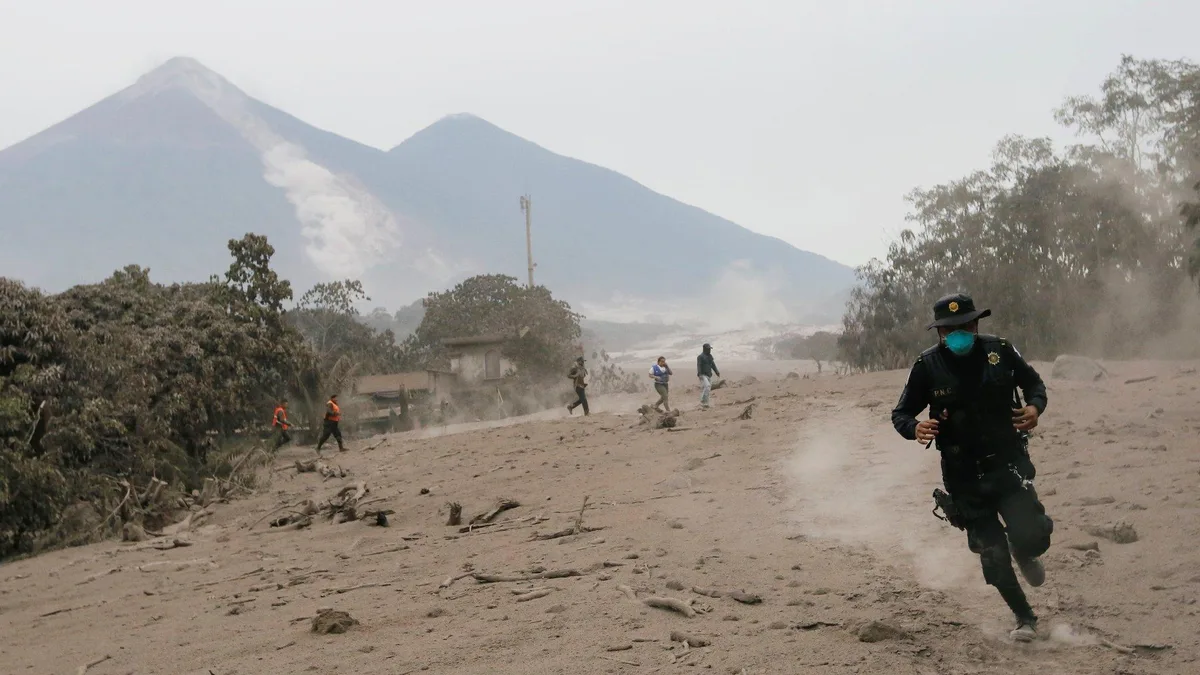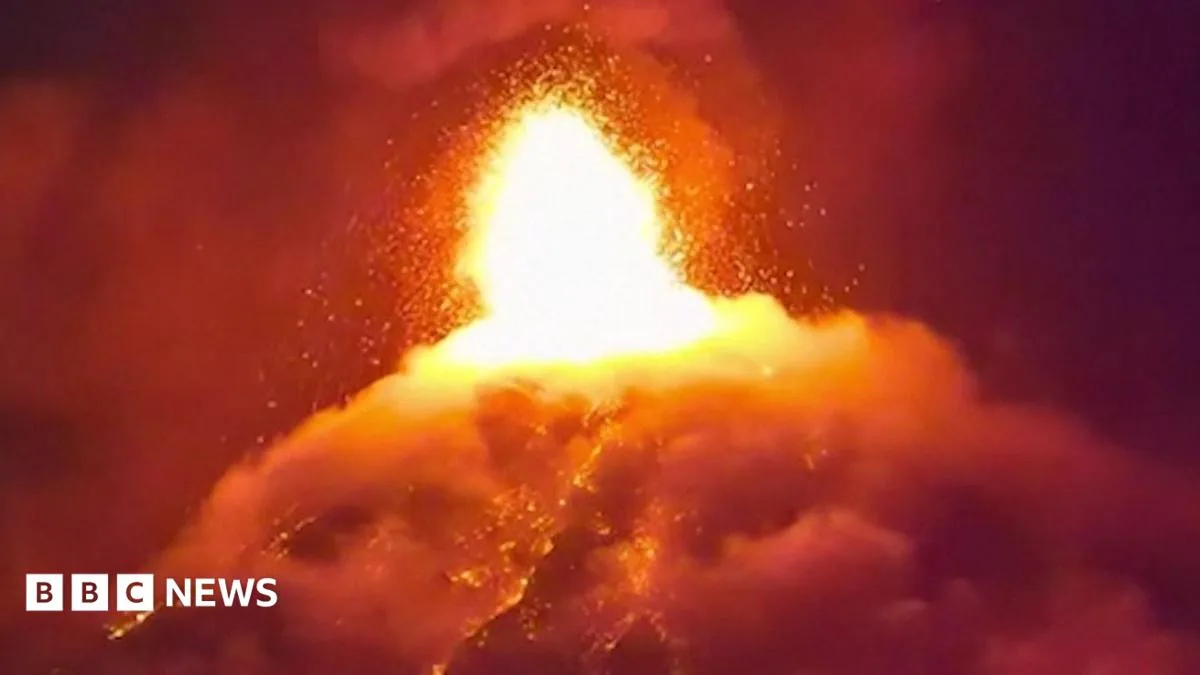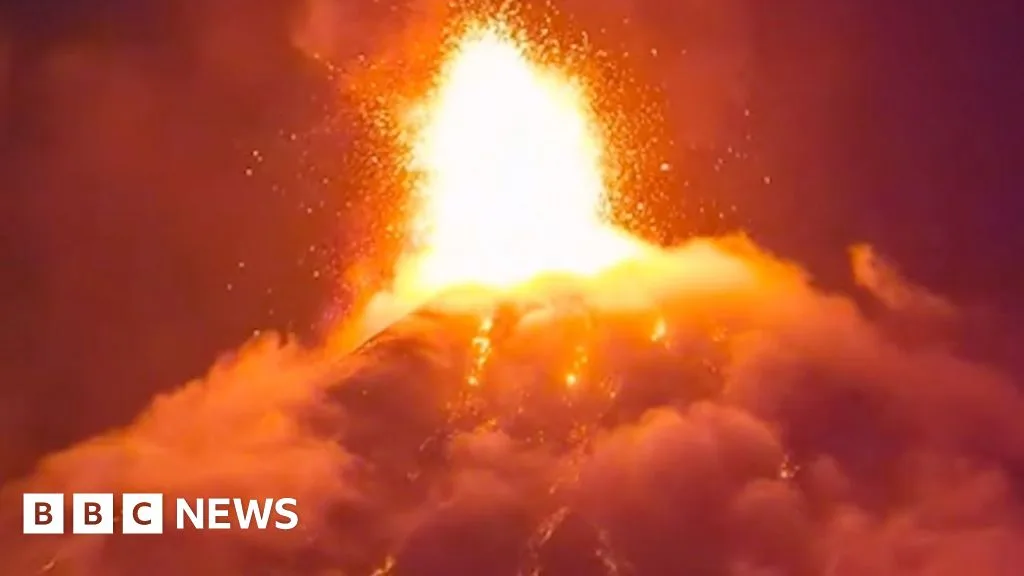
Guatemala's Fuego volcano erupted starting Monday morning, spewing lava, ash, and pyroclastic flows into the air [1, 2, 3, 4, 5, 6, 7, 8, 9, 10]. The ash plume rose approximately 6 kilometers (4 miles) above the summit, which reaches 3,763 meters (12,346 feet) in height [3, 6, 7].
Authorities issued a nationwide orange alert, the second highest warning, on Monday and raised the alert to red—the highest level—for three municipalities by Wednesday [1, 4, 7, 9, 10, 11]. Over 1,700 people have been evacuated from multiple villages near the volcano and sheltered in towns including Alotenango and Escuintla [2, 3, 4, 6, 9]. Some sources initially reported between 350 and 659 evacuees from fewer villages, but the latest confirmed number in shelters exceeds 1,700 [2, 3, 4, 9].
Several roads near the volcano, including National Route 14, have been closed due to volcanic hazards [4, 9, 11]. Schools in the affected municipalities suspended face-to-face classes as a precaution [1, 2, 4, 7, 9].
The volcano is located about 16 kilometers (10 miles) west of Antigua and between 35 to 40 kilometers (22 to 25 miles) from Guatemala City [1, 2, 3, 6, 7, 10, 11]. Guatemala’s National Institute of Seismology, Volcanology, Meteorology and Hydrology (INSIVUMEH) warned that the volcano is moving toward a more explosive phase [6, 7, 11]. Pyroclastic flows and volcanic mudflows remain a major risk, especially as rainfall could trigger mudflows up to seven kilometers (four miles) long [1, 4, 9, 11].
The 2018 eruption of Fuego killed over 200 people, mainly from fast-moving pyroclastic flows in ravines like Las Lajas [1, 3, 5, 6, 7, 9, 10, 11]. Residents near the volcano have expressed concern. Alejandro Garcia said, "Since early morning it was active. That night, the alarm was raised that we needed to evacuate" [3]. Sonia Vasquez added, "We’ve already gotten used to having the volcano constantly active, but this time it was really too much" [3]. Conred spokesperson Valeria Urizar urged residents to "follow the principle of self-evacuation" if conditions posed a risk to life [3, 7].
The US Embassy in Guatemala issued a security alert warning American citizens of possible travel disruptions and advised monitoring local conditions closely [11]. As of today, Monday August 6, emergency teams continue to monitor volcanic activity and manage evacuations. Roads and schools remain closed near the volcano to protect public safety [9, 11].