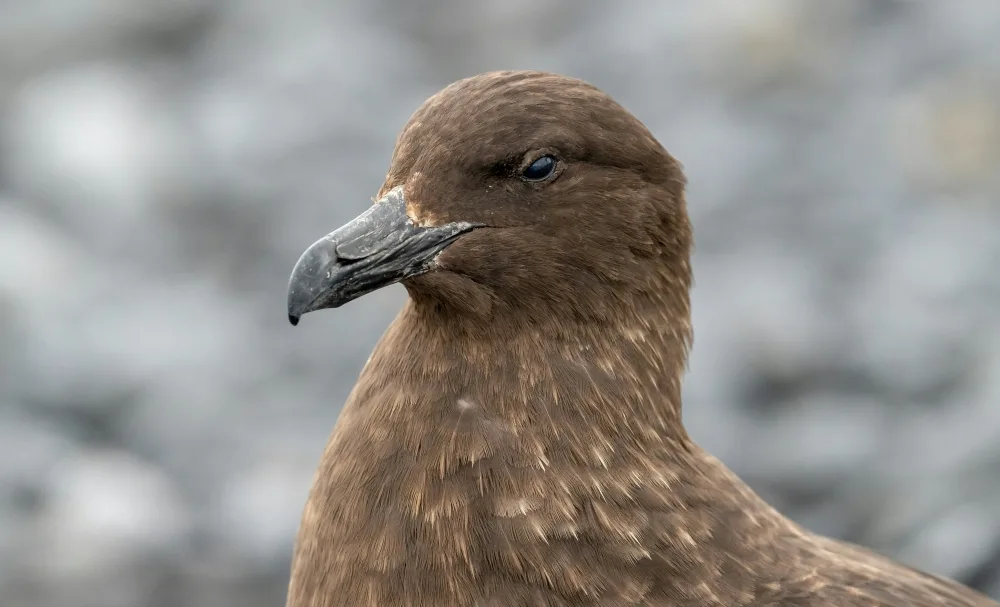
Australia confirmed on July 29, 2026, that the H5N1 bird flu virus is spreading locally among native wild birds in South Australia [1, 2, 3]. Eleven suspected new cases were identified, including seven in the South East region and four on Kangaroo Island [2, 3]. This marks the first detection of local transmission in Australia's native bird populations.
The first confirmed case in South Australia was recorded on June 14, 2026, when a giant petrel tested positive for H5 bird flu [2, 3]. Since then, concerns about the spread of the virus had been growing, prompting further testing.
Testing by the Commonwealth Scientific and Industrial Research Organisation (CSIRO) was expected on July 29 or 30 to provide additional confirmation of local transmission among wild birds [2, 3]. South Australia's Primary Industries Minister, Clare Scriven, said the new cases "are extremely likely to represent localised distribution of the virus" and noted that similar local transmission has occurred on every other continent [2, 3].
Despite the spread among native birds, no cases have been detected in Australia's commercial poultry industry, according to Agriculture Minister Julie Collins [1, 2, 3]. Collins also stated, "While there remains no evidence of any mass mortalities at this point in time, we do expect, with this local transmission, that there will be further detections in Australian wildlife" [1].
Response measures include the temporary closure of Seal Bay to protect local sea lion populations amid the outbreak [2, 3]. Authorities continue to monitor the situation closely to track infection patterns and contain any further spread.
Officials plan to release further CSIRO testing results soon to clarify the extent of the virus's transmission in wild bird populations across South Australia [2, 3].