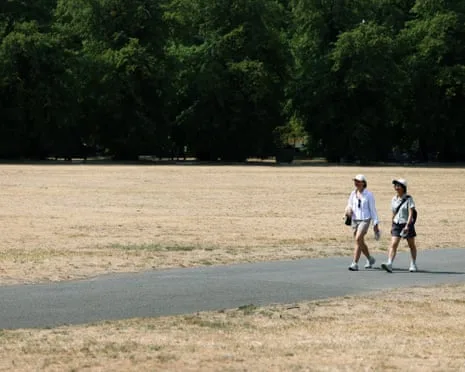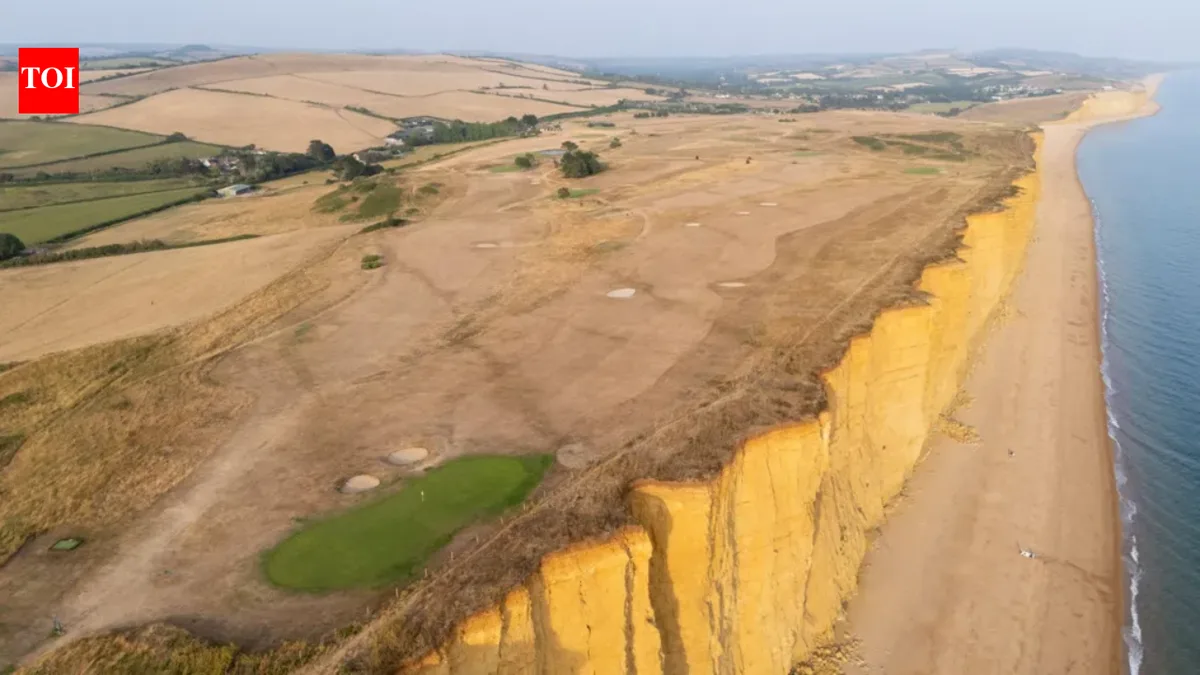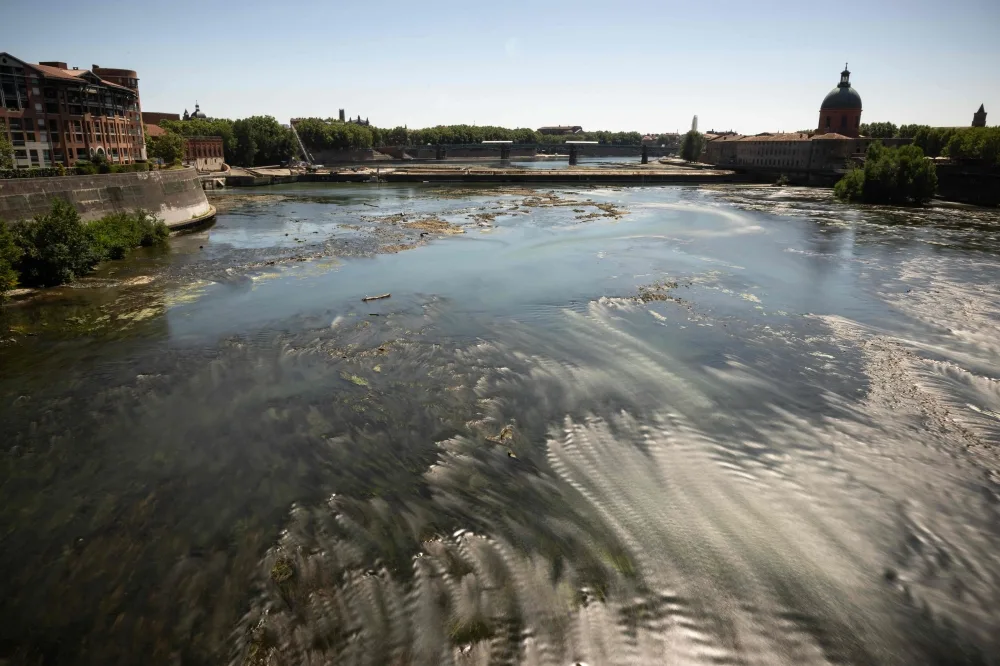
Half of England was officially declared in drought on July 29 due to record-low rainfall and unusually high temperatures, with July 2026 set to be the driest month on record [1, 2, 3]. The drought covers seven regions: East Anglia, Hertfordshire and London, Thames Valley, Hampshire and the Isle of Wight, Devon and Cornwall, the West Midlands, and Wessex [1, 3].
July rainfall in England reached only 7% of the average, with some southern areas receiving as little as 1% of normal precipitation [3]. This marks the second consecutive summer drought for the country, posing severe risks to the environment, wildlife, and the economy. Helen Wakeham, director of water at the Environment Agency, called the drought "an exceptionally serious situation" with long-lasting effects [1, 2, 3].
More than 23 million people have been affected by hosepipe bans in drought-hit areas served by Thames Water and South East Water [3]. The Environment Agency has stepped up drought responses by increasing environmental monitoring and tightening controls on water extraction to protect dwindling water resources [3].
Several other regions including Kent, East Sussex, Cumbria, Lancashire, Greater Manchester, Merseyside, Cheshire, East Midlands, Lincolnshire, Northamptonshire, Solent, and South Downs remain under prolonged dry weather conditions [3]. Meanwhile, Yorkshire and the North East continue to experience normal weather but are being closely monitored [3].
Following England’s drought declaration on July 29, a drought was declared for all of Wales on July 30 due to worsening conditions from sustained high temperatures [4].
Authorities continue to monitor conditions closely as drought responses intensify. Water restrictions and environmental safeguards remain in place amid ongoing dry and hot weather forecasts.