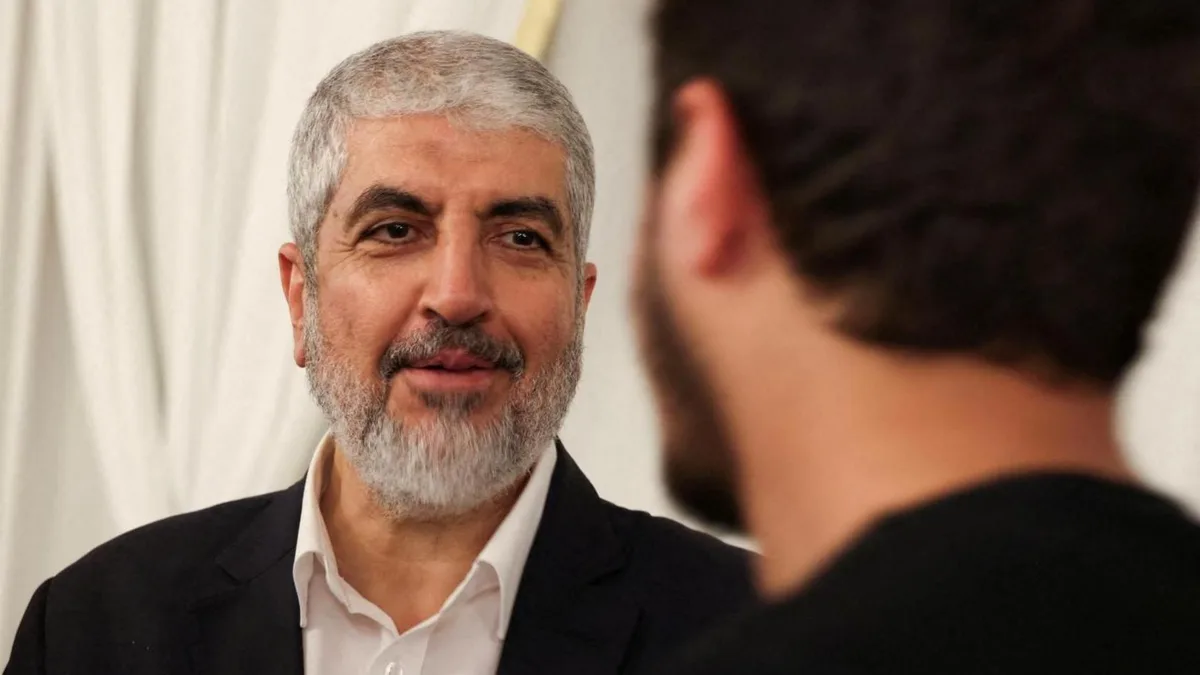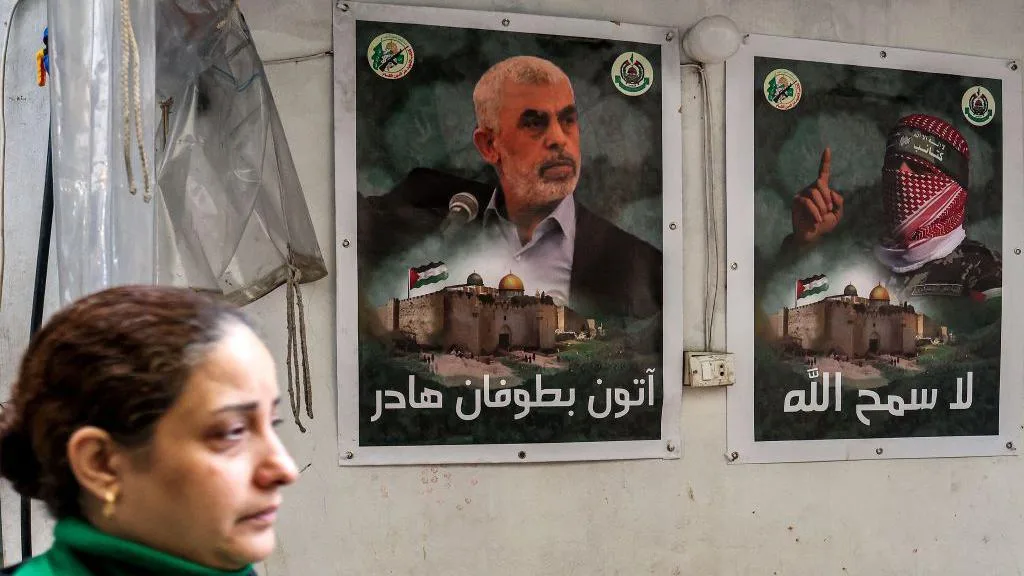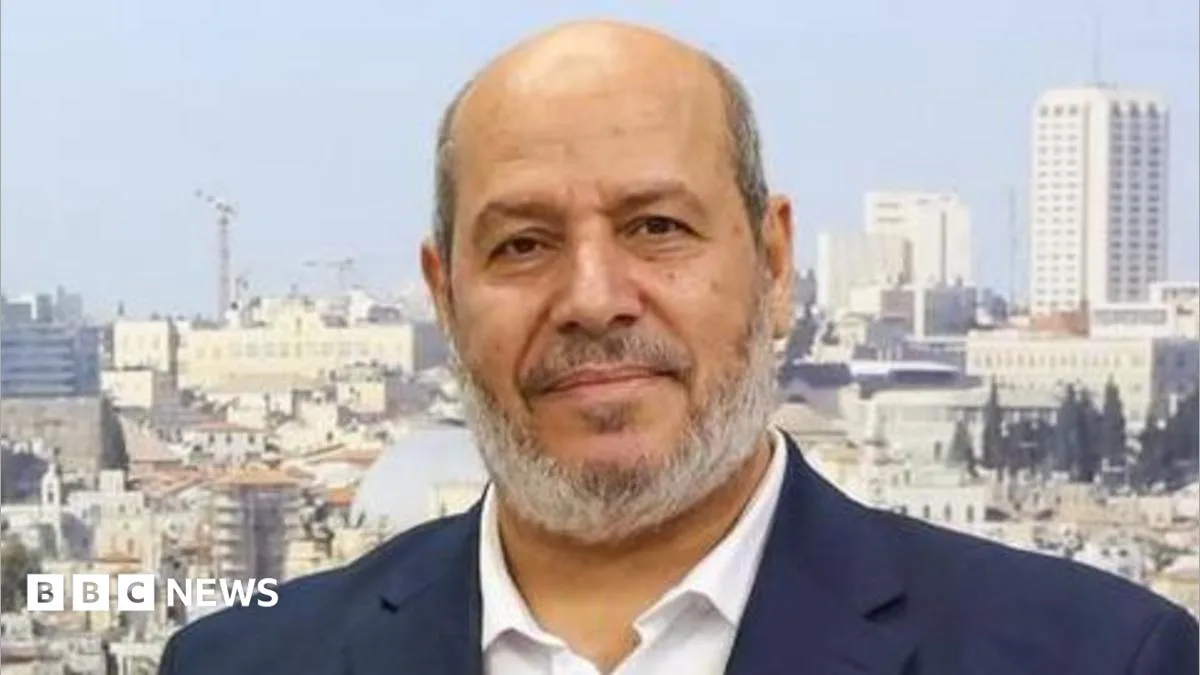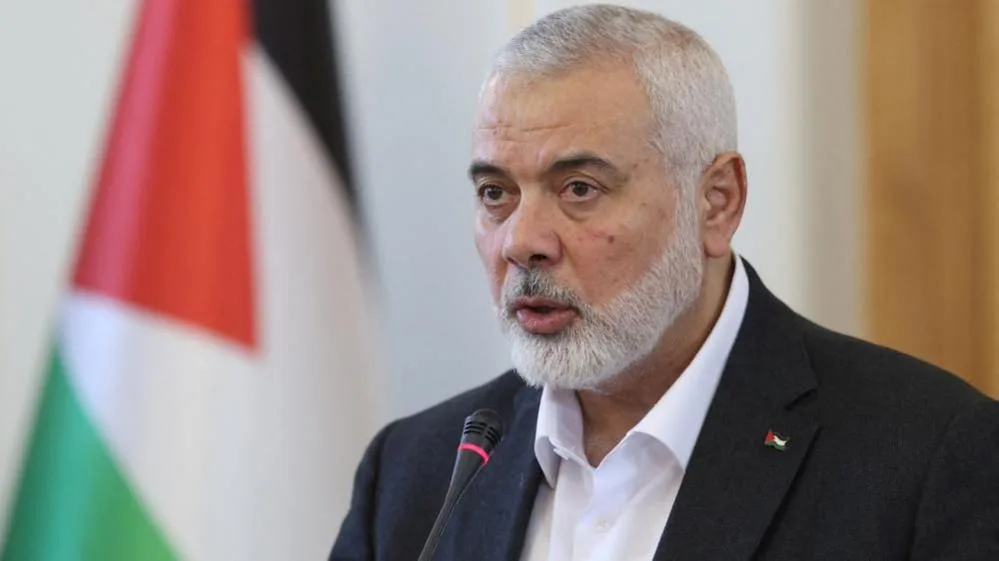
Khalil al-Hayya was elected as the new head of Hamas’s political bureau on July 20, succeeding Yahya Sinwar, who was killed by Israeli forces in Gaza in October 2024 [1, 2, 3, 4, 5, 6, 7, 8]. Al-Hayya won a narrow run-off election, securing 35 of 69 votes in the internal electoral college, just shy of the 36 votes needed to win outright in the first round [1, 4, 5, 6, 8, 9]. The initial vote was inconclusive, triggering a first-past-the-post run-off against former Hamas political bureau chief Khaled Meshaal [1, 6]. Al-Hayya is viewed as representing a more hardline faction within Hamas compared to the more pragmatic Meshaal [1, 3, 9].
Before his election, al-Hayya was part of the five-person leadership council that managed Hamas since Sinwar’s death late last year [1, 5, 6, 7, 8, 10]. The council is expected to dissolve following his selection as overall leader [7]. Born in Gaza City in 1960, al-Hayya has a long history with Hamas as Gaza leader, deputy chairman, legislative council member, academic, and chief negotiator in ceasefire talks with Israel, Egypt, Qatar, and the US [1, 4, 5, 6, 8, 10]. He survived an Israeli air strike targeting Hamas leaders in Doha in September 2025, though five lower-ranking members and one of his sons were killed in that attack [1, 2, 3, 5, 6]. Several of his sons have died in Israeli strikes between 2023 and 2025, including one killed in Gaza in May 2025 [1, 5, 8].
Hamas has been seriously weakened by the war that began in October 2023, losing senior leaders and much of its structure [1, 3, 8]. Mohammed Shehada, an ECFR visiting fellow, described al-Hayya as part of an "Iranian-styled Axis of Resistance," but also comfortable with negotiations, citing contacts with Jared Kushner’s envoy Steve Witkoff, who expressed condolences to al-Hayya for the loss of his son [8]. Witkoff said, "I told him that I had lost a son and that we were both members of a really bad club: parents who have buried children" [8].
Reactions among Gaza residents were mixed. Noman Saleh said, "People here are all suffering. People are hungry. People have been humiliated. Who is standing with the people today? No one. I blame all the [political] factions" [11]. Ali Abu Amshi added, "The news does not make a difference to us. We want to live. We want crossings to reopen, we want to eat, drink and have a normal life" [11].
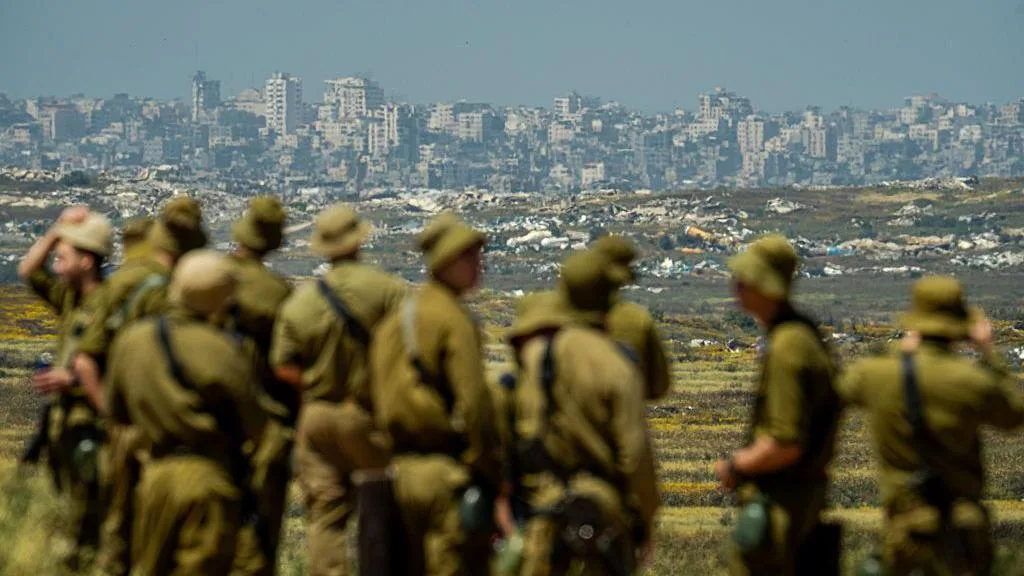
Following the election, al-Hayya faces the immediate challenge of leading a fractured group under difficult conditions. More than 60% of Gaza territory remains under Israeli control following ceasefire agreements, limiting Hamas’s operational reach [3].