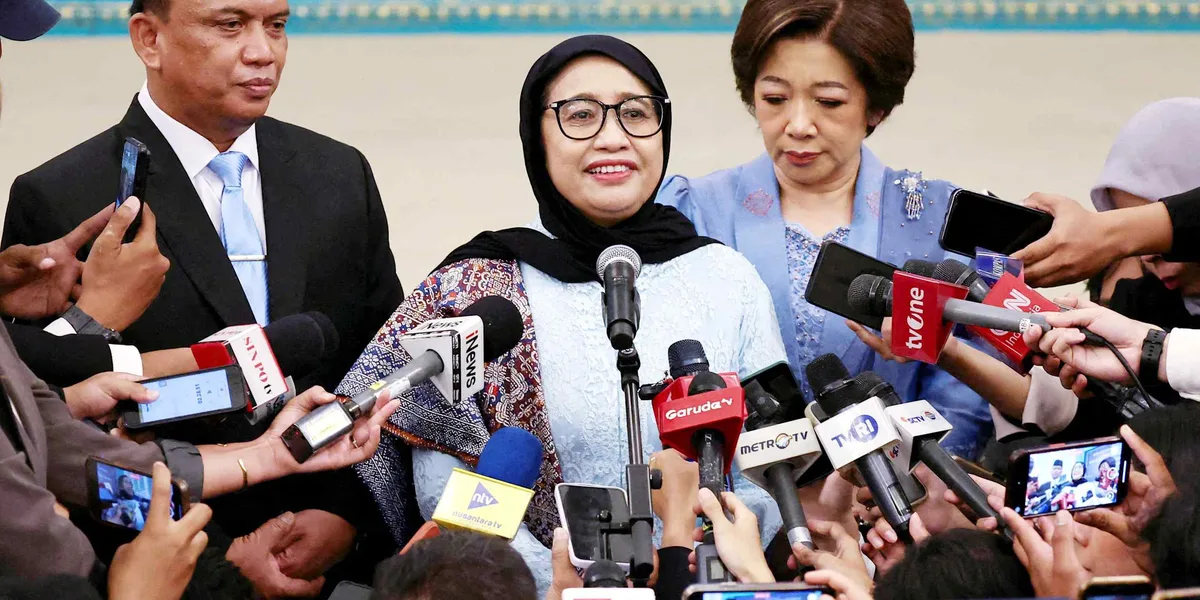
Nanik Sudaryati Deyang stepped down as head of Indonesia’s National Nutrition Agency on July 22, 2026, due to heart-related health problems and extreme stress from overseeing the country’s free meals program [1, 2, 3, 4, 5, 6]. Her resignation marks the second leadership change in less than two months for the agency managing President Prabowo Subianto’s $15 billion initiative to provide daily meals to over 80 million Indonesians, including students, children, and pregnant women [1, 3, 4, 5, 6].
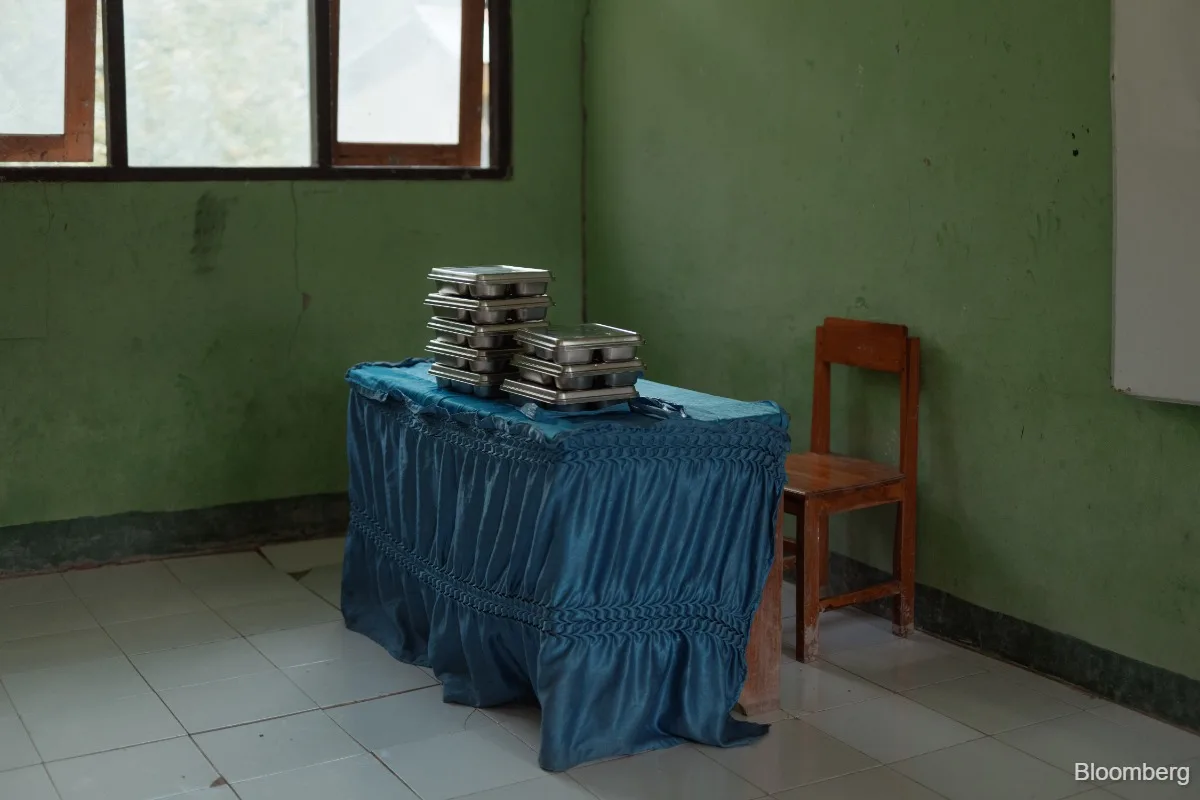
The free meals program, launched in January 2025, aims to combat child malnutrition but has faced major obstacles such as logistical difficulties, corruption probes, budget cuts, and multiple incidents of mass food poisoning [3, 4, 5]. Nanik’s predecessor was dismissed and arrested on corruption charges in June 2026 amid investigations linked to the program [1, 3, 4, 5].
Budget allocations for the scheme have been sharply reduced from an initial 335 trillion rupiah to 229 trillion rupiah in 2026, with further cuts anticipated, adding to operational strains [3, 4]. Nanik disclosed she plans to seek medical treatment abroad after her resignation for a heart artery blockage she links partly to the intense stress of managing the agency’s budget and activities [1, 3, 5, 6]. She said, “With a heavy heart, I bid farewell to Mr. President to undergo treatment abroad for my heart. I swear I am acutely traumatised” [1]. She also emphasized the initiative is "an intervention measure for children’s nutrition," not a political issue as some have claimed [3].
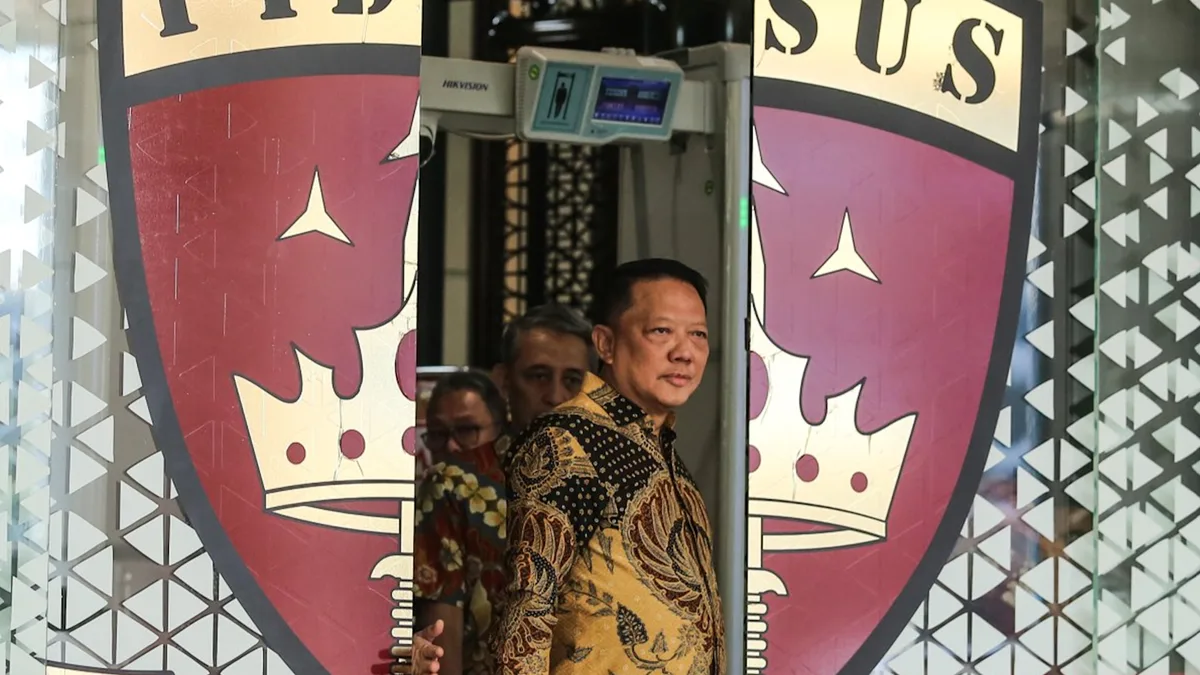
President Prabowo accepted Nanik’s resignation and offered her a role chairing a supervisory board for the agency without financial responsibilities [1, 3, 5, 6]. Sudaryono, Indonesia’s deputy agriculture minister and a member of the Gerindra party, was appointed as the new agency chief on July 22 [3, 4, 6].
The National Nutrition Agency now faces the challenge of stabilizing the program’s leadership and operations amid ongoing budget constraints and public scrutiny. With the new chief in place, attention will turn to upcoming reviews of the program’s delivery and funding to ensure support for millions of vulnerable Indonesians continues uninterrupted [3, 4].