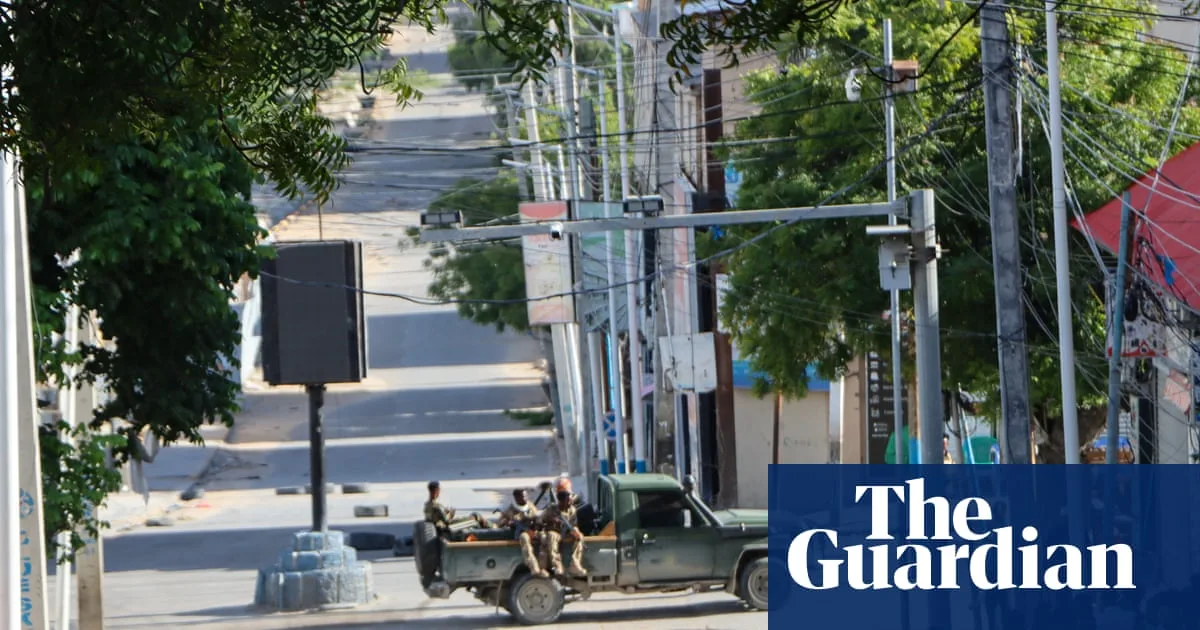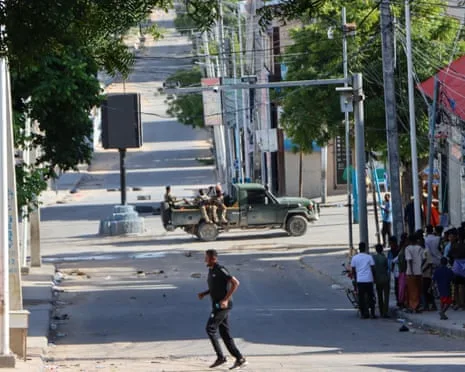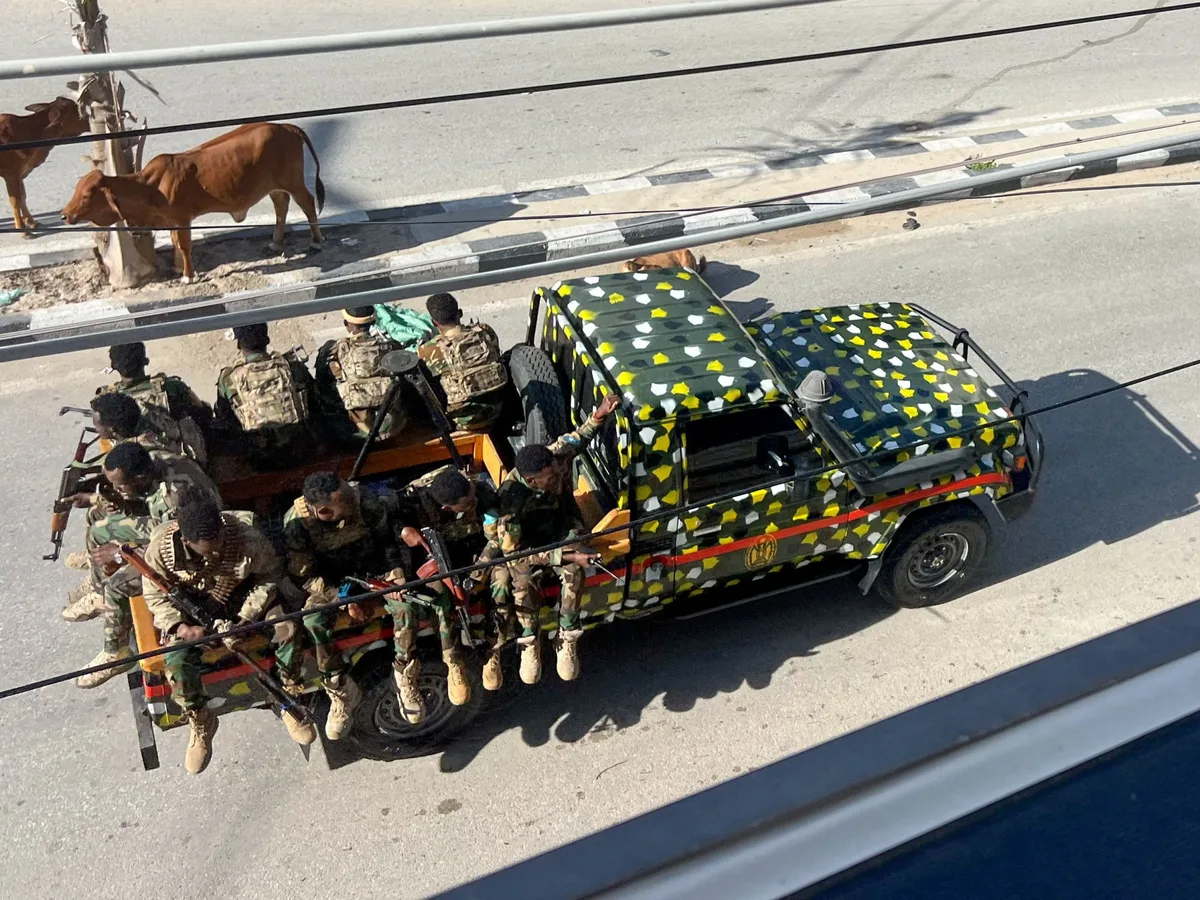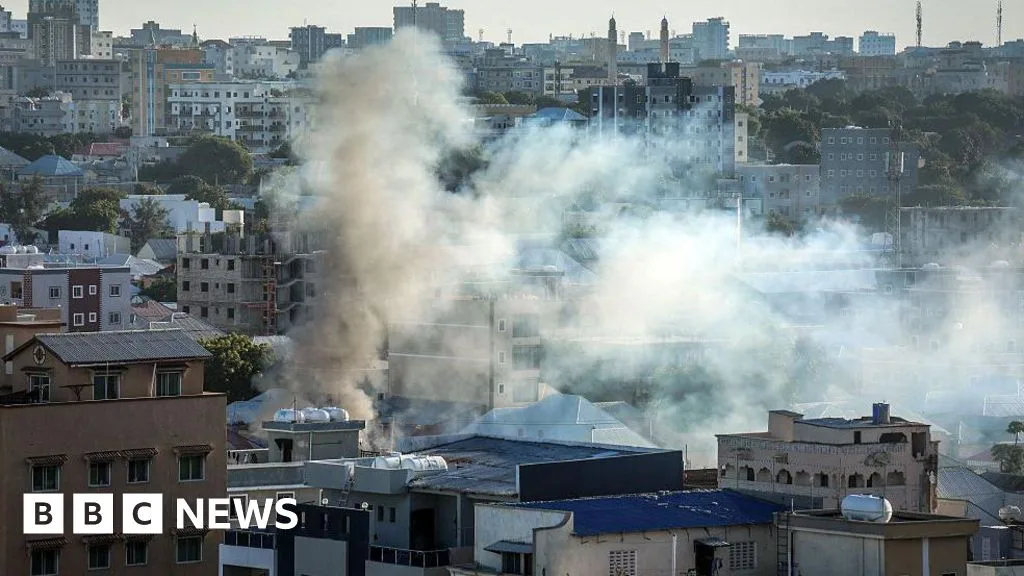
Heavy fighting broke out in Mogadishu starting Wednesday afternoon and continued into Thursday morning as government forces clashed with opposition-allied militias ahead of planned anti-government protests. The violence centered around several neighborhoods including Howl Wadag and Abdiasis, with exchanges of mortar and heavy weapons reported near the homes of former Prime Minister Hassan Ali Khaire and former President Sharif Sheikh Ahmed [1, 2, 3].
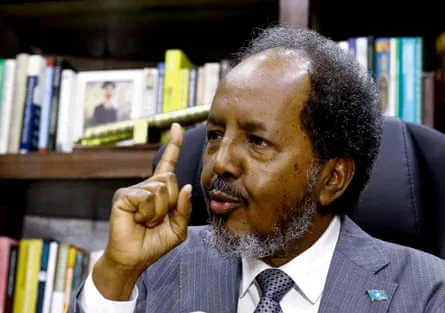
The clashes erupted after President Mohamud extended his term by one year beyond its May 15 expiration, a move opposed by the opposition as unconstitutional. The former prime minister said, "The responsibility for any casualties or damage resulting from this incident lies with the president whose term has expired. This attack is a grave assault on the constitutional rights of Somali citizens and a deliberate attempt to suppress peaceful assembly" [4]. Khaire also accused the government of "a sustained and indiscriminate military assault aimed at killing me and Ahmed," adding that weapons meant to fight Al-Shabaab were turned against Somalia’s own leaders and citizens [1, 2].
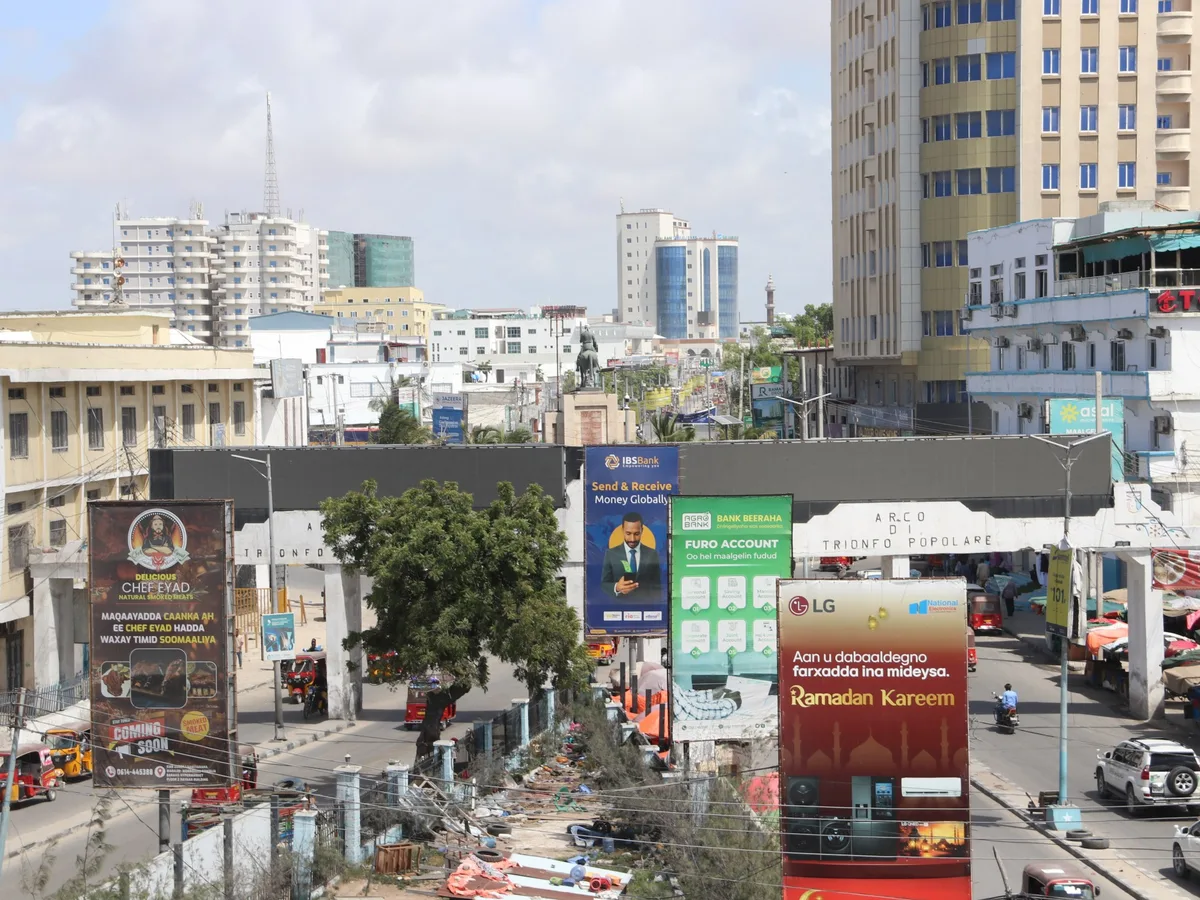
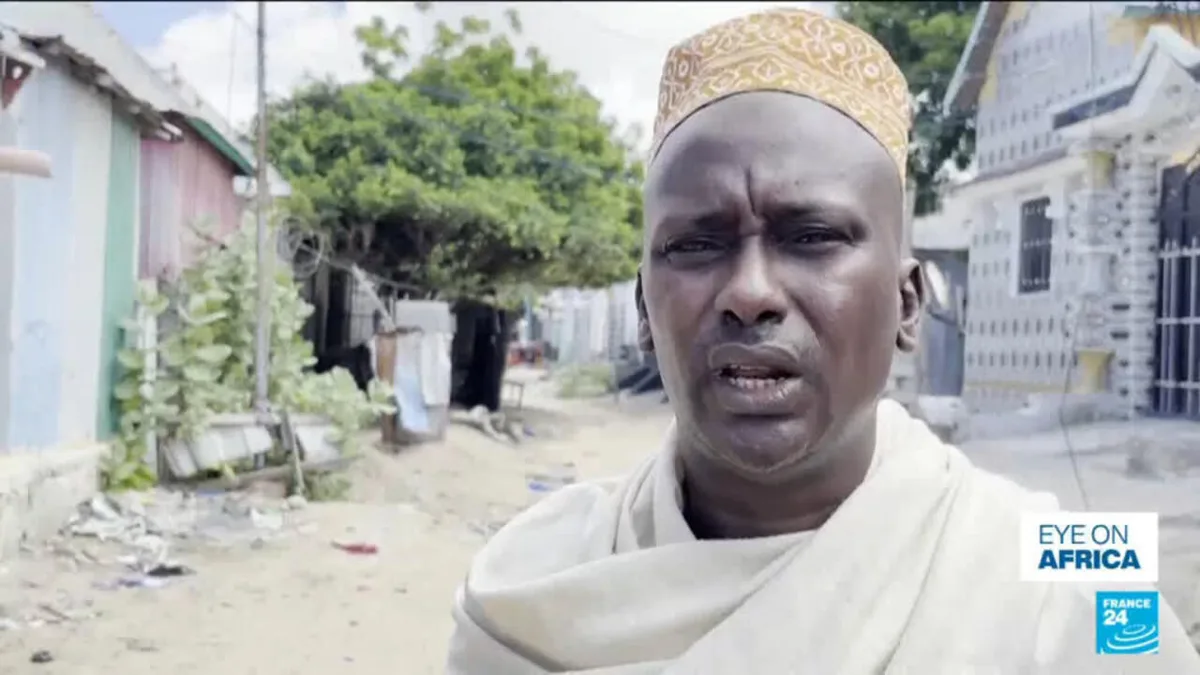
Residents reported heavy mortar fire and damage to civilian infrastructure. Fires broke out and several civilians, including a mother, were injured amid the clashes. Mustafa, a Bajaj driver, described the scene: "I couldn’t even think. Everyone was shouting and running for their lives, and we all fled from the bullets. We haven’t seen fighting this bad in years" [1, 2, 3]. Thousands of troops were deployed around key districts, and hundreds of families fled their homes near the fighting. Commercial hubs and central areas of Mogadishu were largely deserted on Thursday as protests were set to take place [1, 3].
The US embassy in Mogadishu condemned the violence, calling on Somali leaders to "preserve stability and resolve differences through peaceful means" [4]. Deputy central bank governor Ali Wardheere estimated the direct cost of the unrest to Mogadishu’s businesses and services at $3.8 million based on model projections [3].
Somalia has not held one-person, one-vote elections since 1969. Since then, elections have been indirect, with the country affected by civil war and insurgencies [4, 2].
On May 15, Parliament backed President Mohamud’s one-year term extension despite opposition objections. Fighting broke out on June 3 and continued into June 4, coinciding with the planned protests against the delayed elections and extended presidency [4, 1, 2, 3].