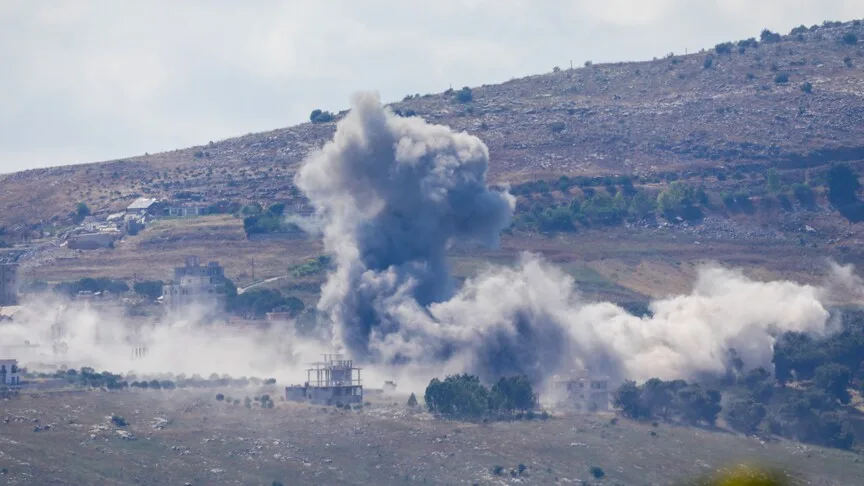
Hezbollah carried out 21 attacks on June 14 targeting Israeli military sites, drones, vehicles, and artillery positions in southern Lebanon, according to Hezbollah sources [1]. The following day, June 15, Hezbollah said it attacked an advancing Israeli armored force near Kfar Tebnit with rockets and drones, and that fighting with Israeli troops remained ongoing [2]. The Israeli army reported killing several Hezbollah members and striking over 70 infrastructure targets in southern Lebanon on June 13, though Hezbollah has not confirmed casualties [3, 2, 1].
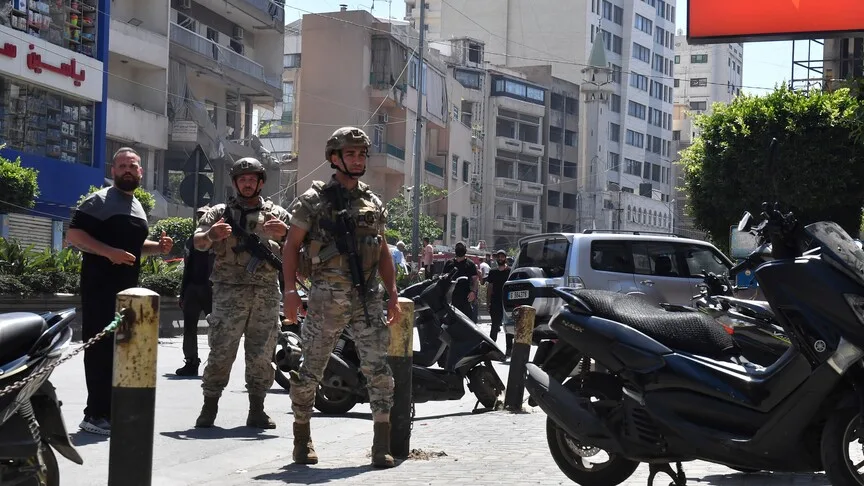
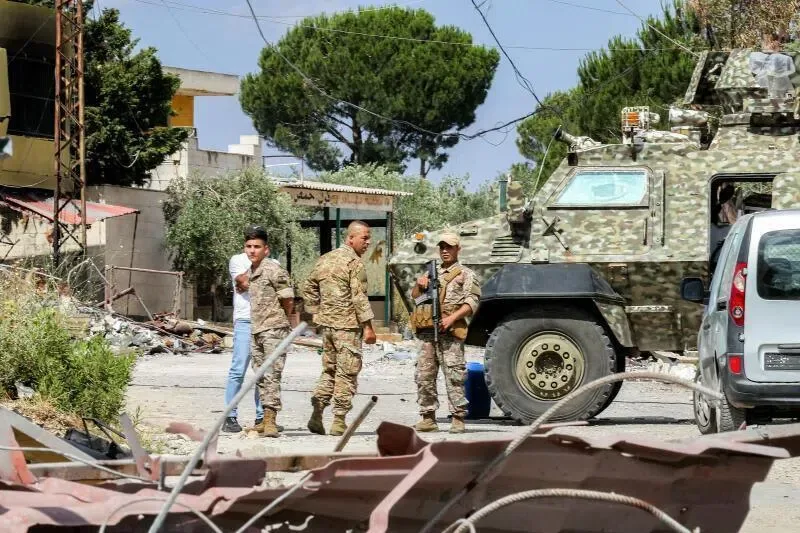
Israeli daily airstrikes and shelling in southern Lebanon have continued since March 2, despite a ceasefire declared on April 17, according to Israeli defense statements [3]. Israeli drone strikes on June 13 killed at least five people, including one Lebanese soldier seriously wounded in the strikes; 30 Lebanese soldiers have died since the March escalation began [3].
UNIFIL, the United Nations Interim Force in Lebanon, reported a decrease in violence on June 15 from midnight to 4 p.m., noting no projectile trajectories from Hezbollah or other non-state actors during that time. UN Secretary-General Antonio Guterres’ spokesman Stephane Dujarric stated, "UNIFIL observed a decrease in violence... No trajectories from Hezbollah or non-State actors were reported during that time" [2].
Hezbollah's June 15 attack near Kfar Tebnit involved five Merkava tanks and four vehicles from the Israeli armored force, highlighting the intensity of the clashes along the border [2].
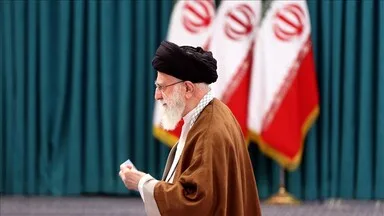
The conflict that escalated on March 2 has resulted in nearly 3,800 deaths, more than 11,700 wounded, and displaced over 1 million people across Lebanon [2, 3, 1]. The outbreak followed Hezbollah rocket fire intended to avenge the killing of Iran's supreme leader, prompting a large Israeli air and ground campaign in southern Lebanon [2, 3, 1].
Details of the recent ceasefire agreement mediated by the US and Iran have not been made public, and Lebanon was not informed about its terms or timeline [2]. Despite the declared ceasefire on April 17, hostilities and Israeli strikes in the region have persisted daily [3].
The most recent clashes on June 14 and 15 show ongoing volatility. UNIFIL will continue monitoring the situation as efforts to enforce the ceasefire proceed.