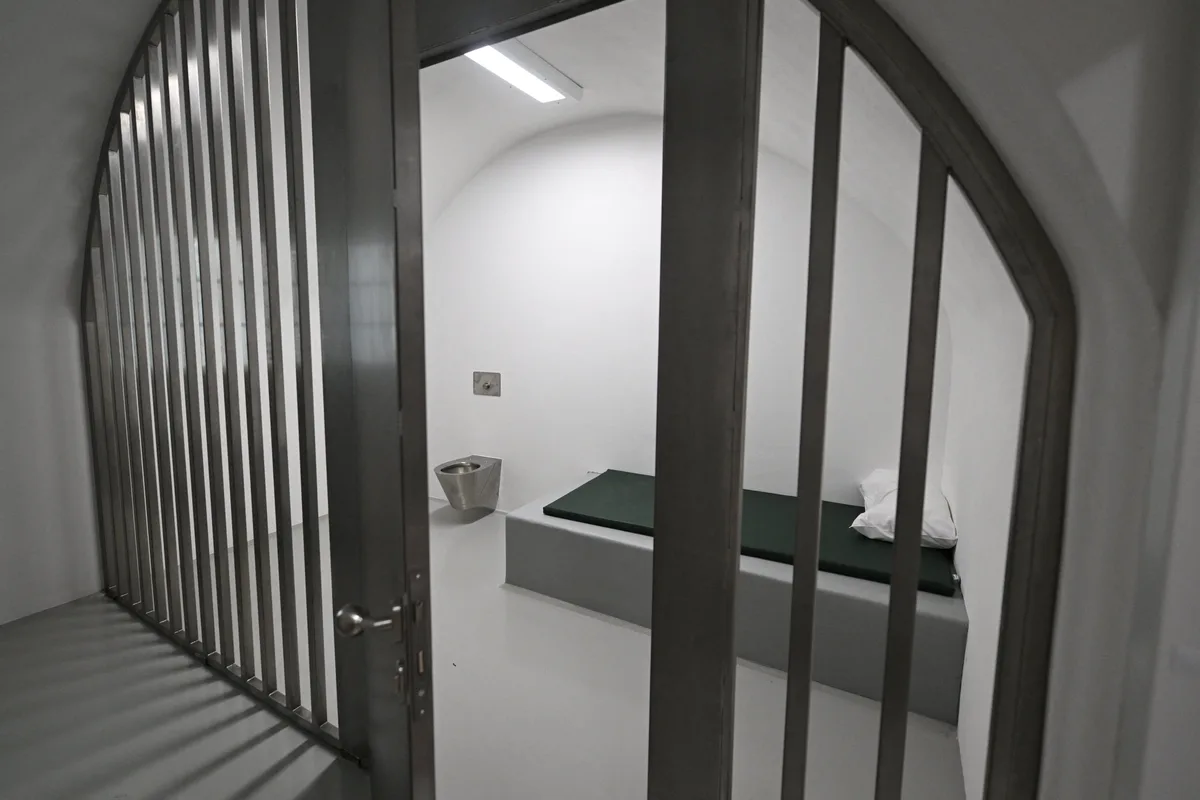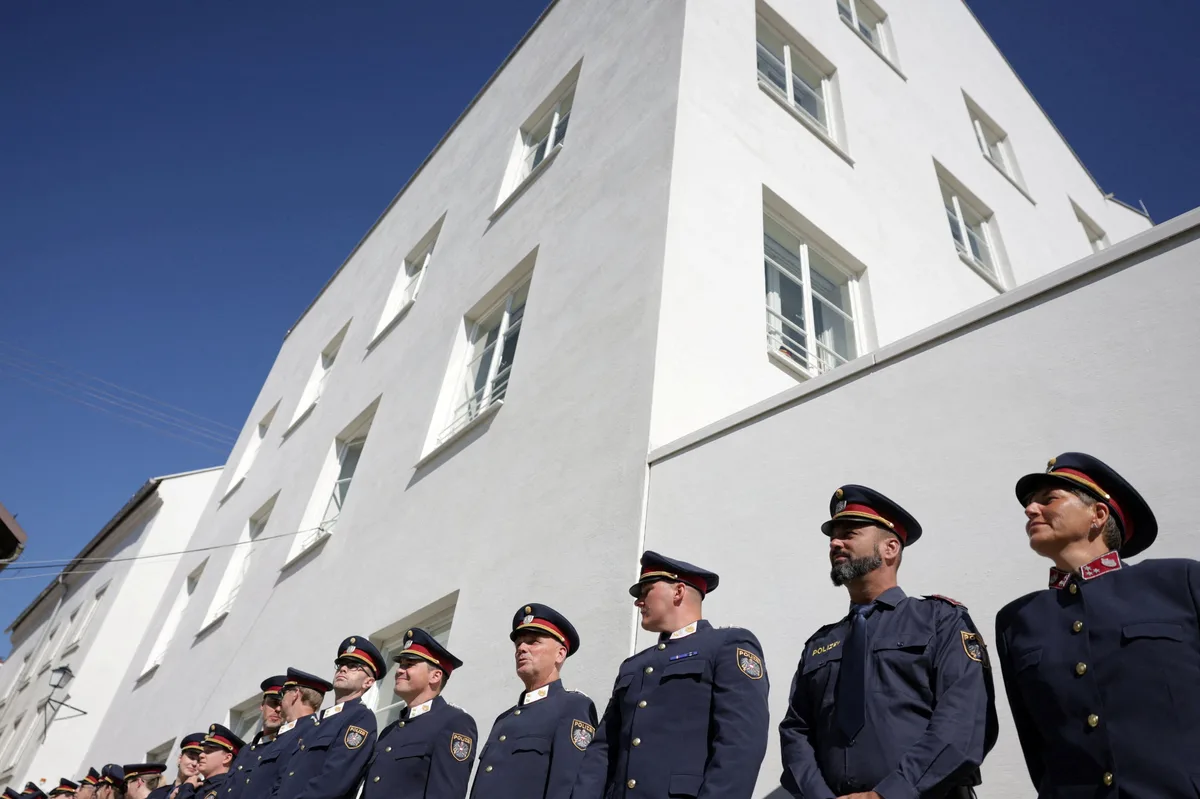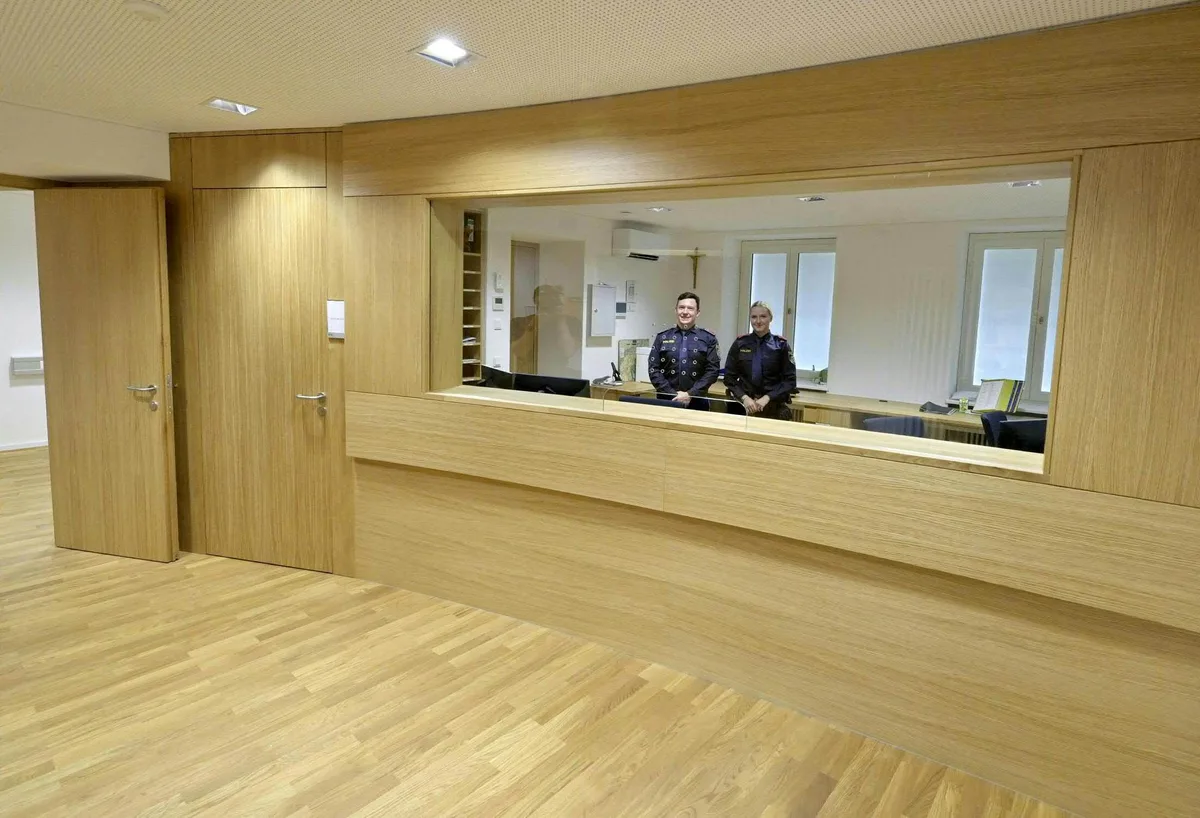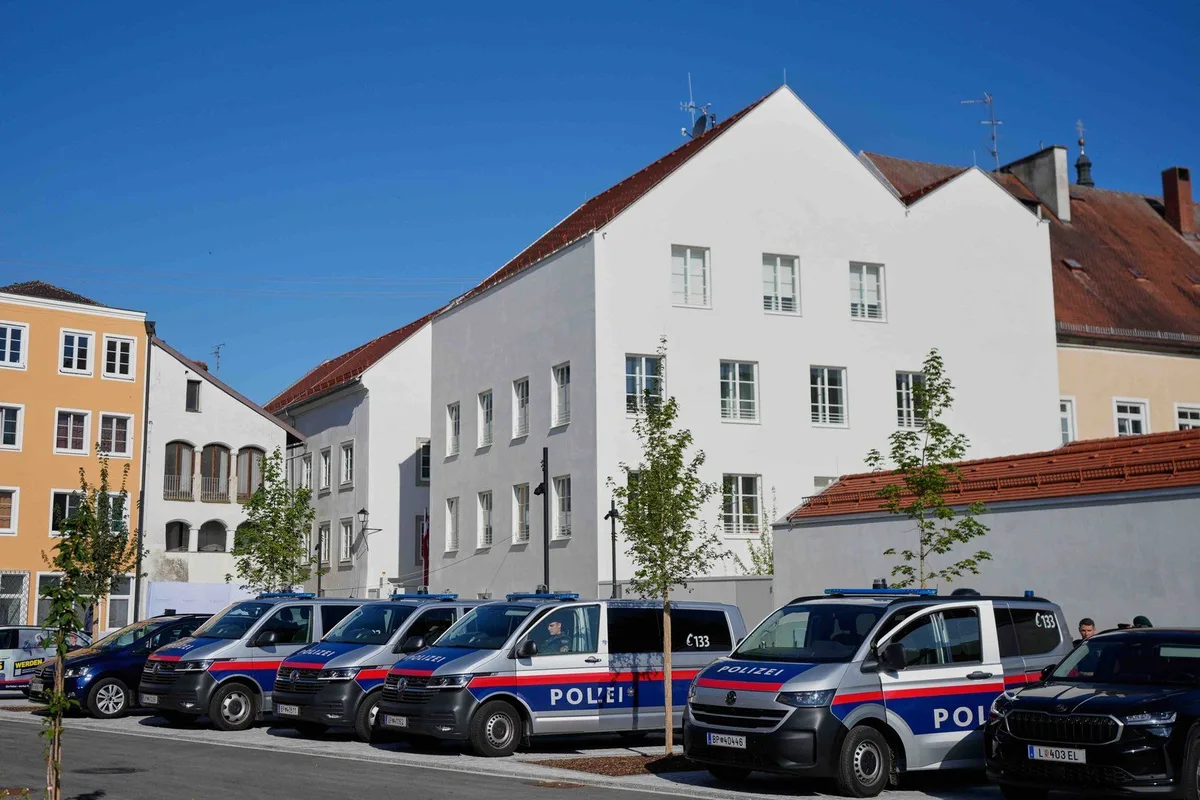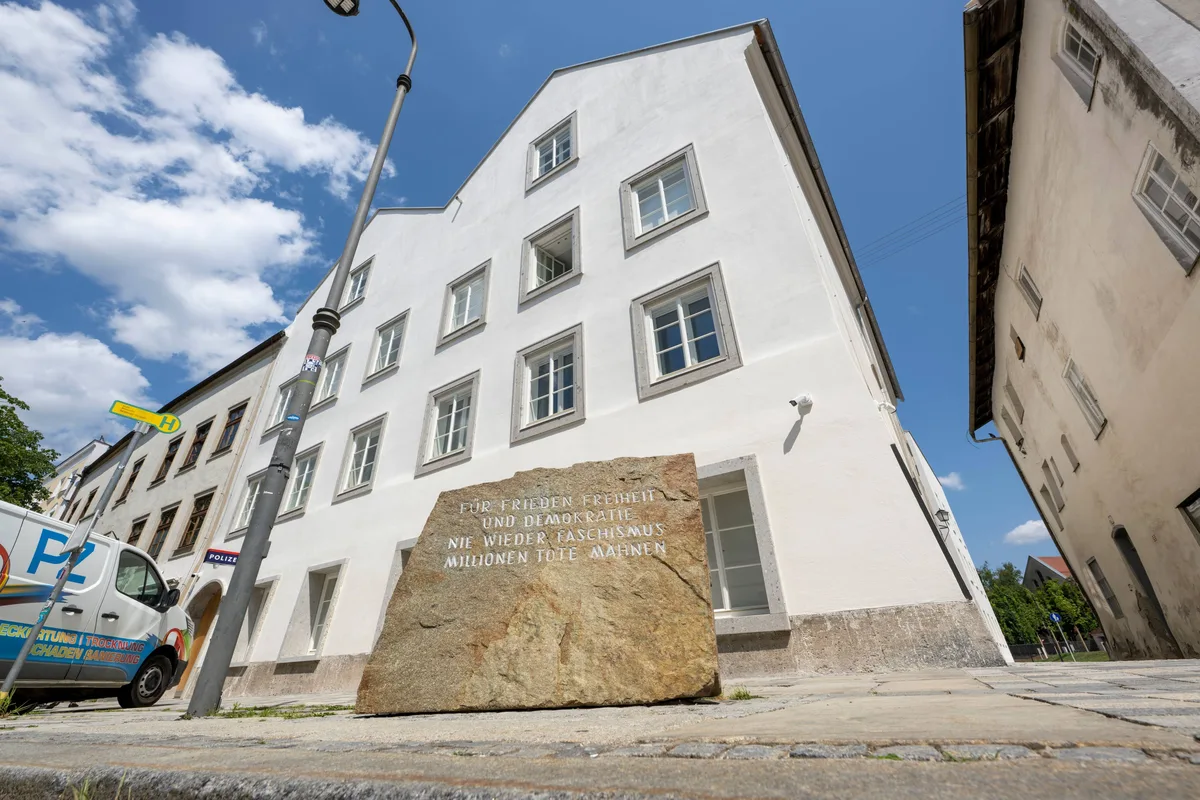
Adolf Hitler's birthplace in Braunau am Inn, Austria, was transformed into a police station and officially inaugurated on July 22, 2026, near the German border at Salzburger Vorstadt 15 [1, 2, 3, 4].
The Austrian government spent about €20 million (US$22.8 million) renovating the building, preserving original architectural features like the spiral staircase and arched entrance while repainting the exterior white and updating the interiors with new furniture [1, 2, 3, 4]. The intention is to deter neo-Nazis and far-right extremists from using the site as a pilgrimage point, a phenomenon that had occurred despite laws forbidding Hitler salutes and homage [1, 2, 3]. Austrian Interior Minister Gerhard Karner said the building now “symbolizes democracy, rule of law, safety, freedom, and human dignity” and asserted that Austria was confronting “the terrible heritage of this time.” [1, 3]
The building had been privately owned by the Gerlinde Pommer family and rented out to the Austrian government since 1972 for €4,800 monthly. After a lengthy legal process, including a 2016 parliamentary expropriation law and a 2017 Supreme Court ruling, the government compulsorily acquired the property, compensating the owners with €812,000 [3, 4]. The conversion followed expert advice against museum or memorial use, which might attract extremists, opting instead for an active police presence equipped with surveillance cameras to monitor the site [3, 4].
Outside the building remains a memorial stone with an inscription condemning fascism. However, there are no signs referencing its Nazi history on the building itself to remove any mystique that had drawn extremist curiosity [1, 3]. The police station also functions as a base to combat drug trafficking near the Austrian-German border [3].
The decision sparked debate. Historian Oliver Rathkolb, on the expert committee, said the police station “can deter Hitler worshippers from taking selfies here.” [4] Yet local groups and Holocaust survivor organizations criticized the lack of a dedicated educational or memorial function. Spokesperson Eveline Doll said authorities “missed a good opportunity to responsibly use the former home of history’s deadliest killer.” [4] Braunau Historical Association chairman Florian Kotanko stressed police accountability within a democratic state as vital and opposed principled mistrust of the police, reinforcing the government’s approach [4].
Hitler’s birthplace had been a Nazi pilgrimage site and briefly a museum during the Third Reich [3]. Far-right parties retain political influence in Austria; the Freedom Party, founded by former Nazis, won the highest vote share in the 2024 parliament elections but failed to form government [4].
The new police station stands as a concrete step to limit extremist veneration at the site. Its establishment followed a timeline starting with the 2016 expropriation law, a court ruling in 2017, the 2019 decision to convert the building, and the 2026 inauguration. [1, 2, 3, 4]