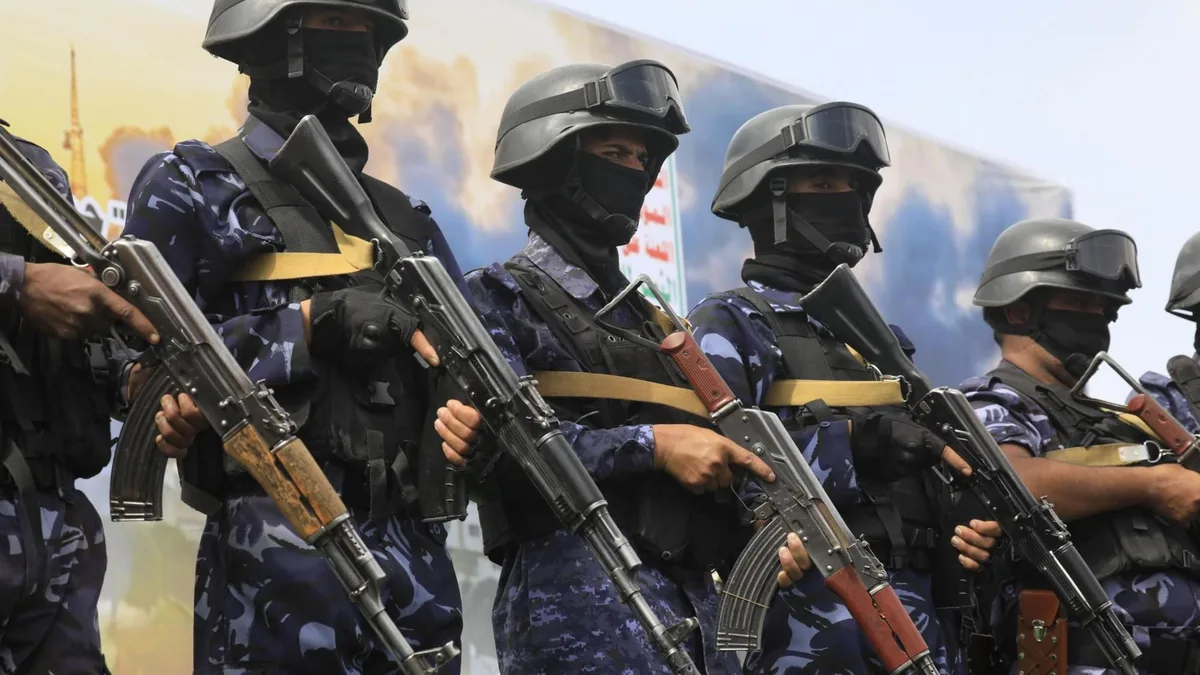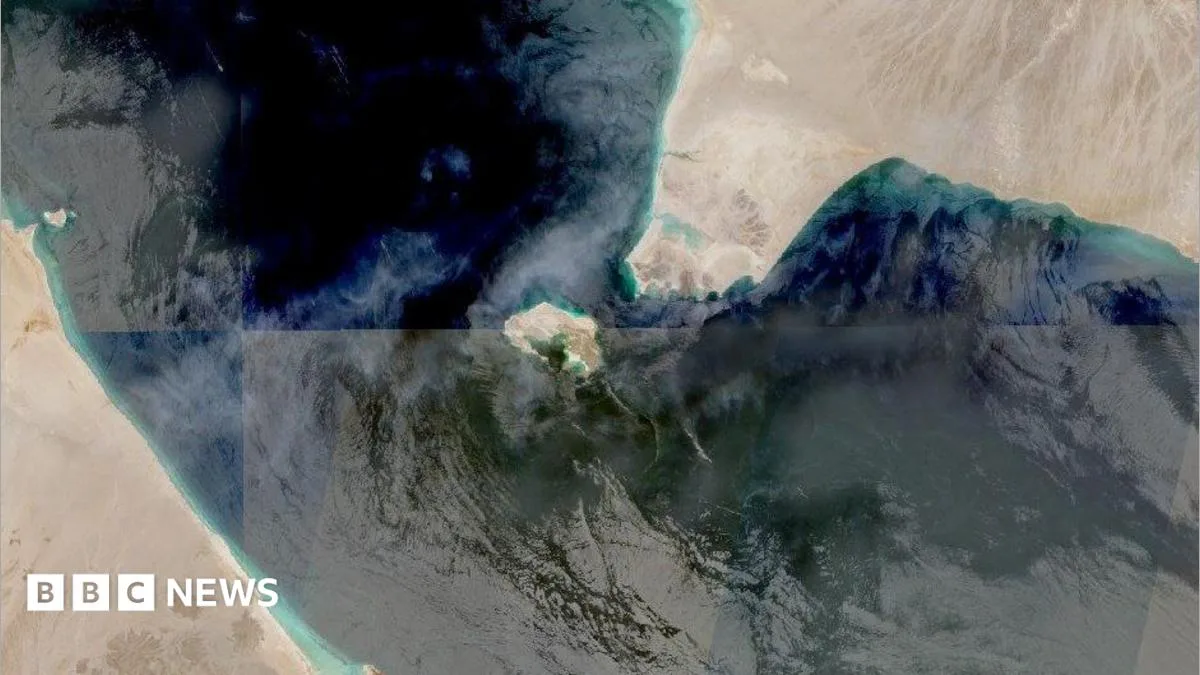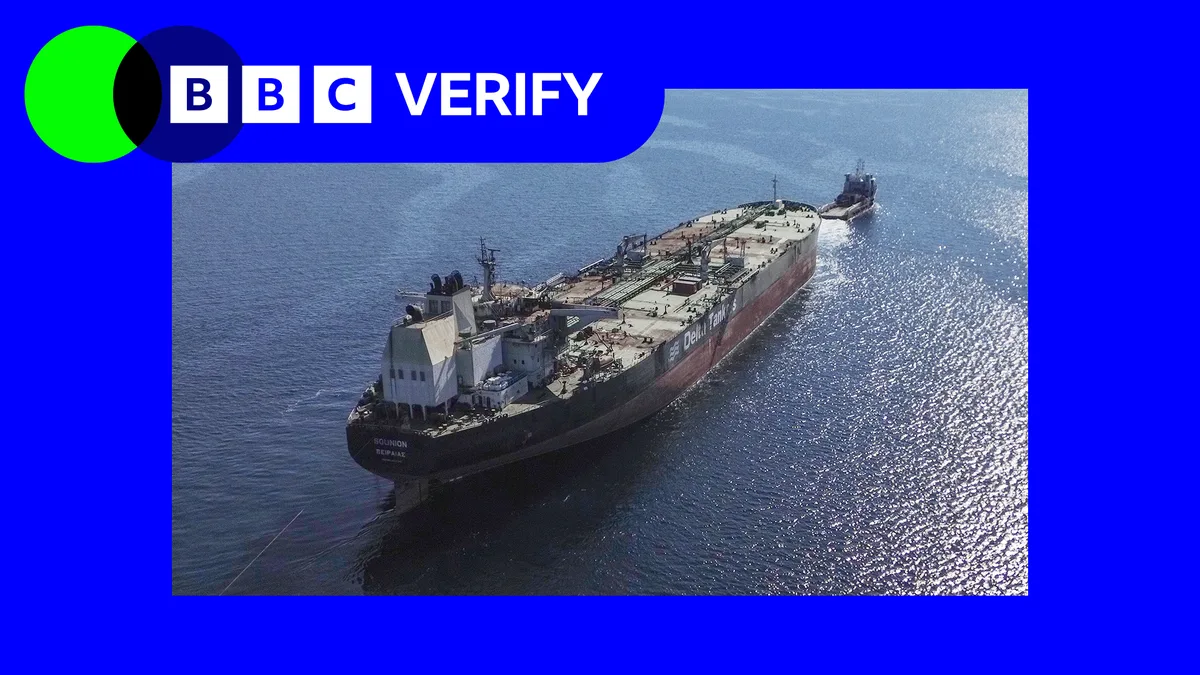
Yemen’s Iran-backed Houthi rebels declared a maritime blockade of Saudi Arabian ports along the Red Sea, particularly around the strategic Bab al-Mandeb strait, on July 20, 2026 [1, 2, 3]. The Houthis warned they would attack ships using Saudi ports or transiting the southern Red Sea, including missile and drone strikes on Saudi oil tankers [3, 4, 5, 6].
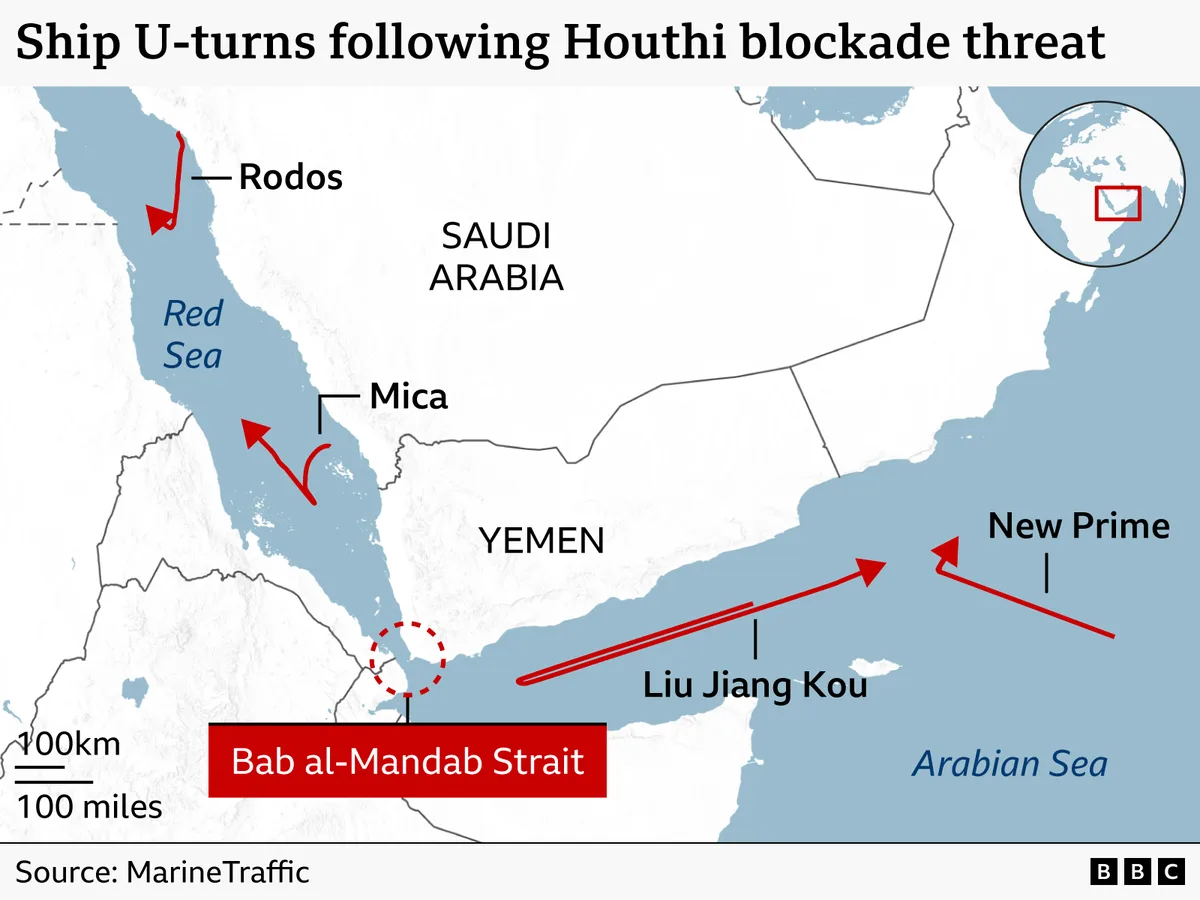
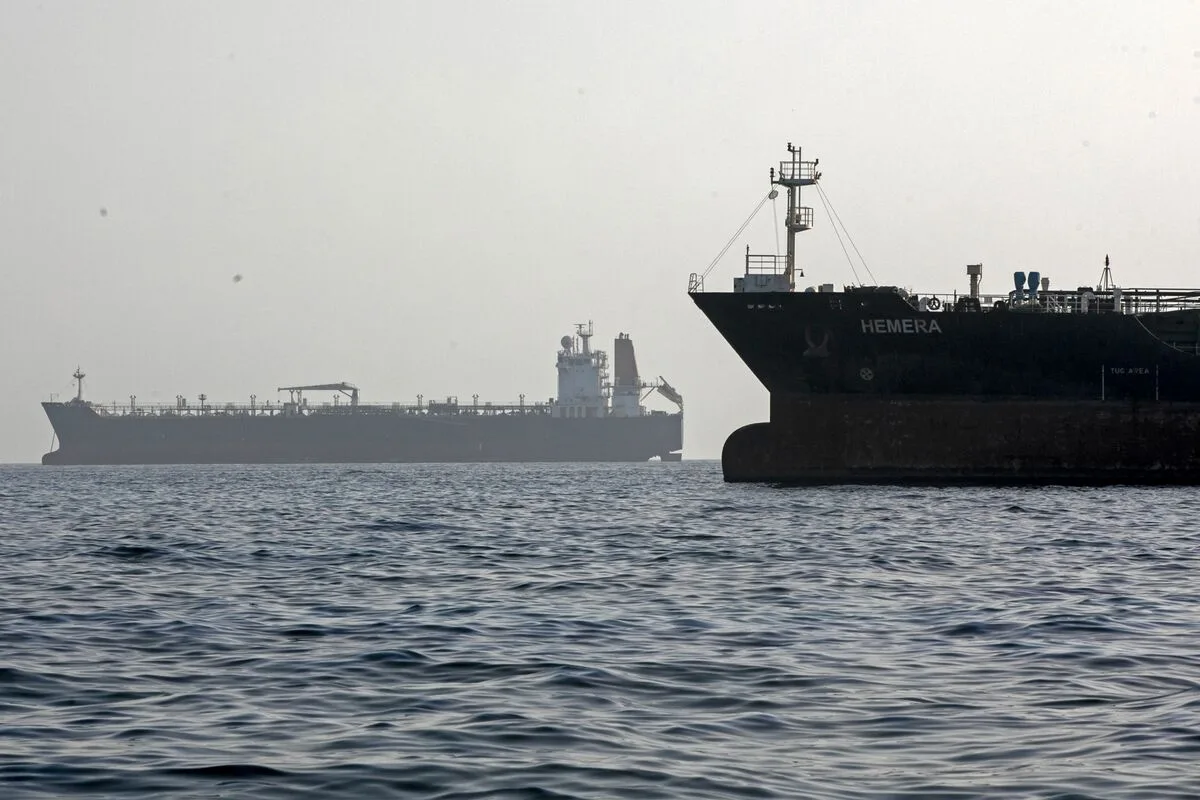
Following the blockade announcement, at least seven ships, including oil tankers carrying Saudi crude, turned back or diverted from the Bab al-Mandeb strait to avoid the threat [7, 3, 5, 8]. Saudi Arabia exports millions of barrels per day of crude oil via the Red Sea port of Yanbu, with shipments rising from under 1 million barrels per day in 2025 to about 4 million barrels per day by mid-2026 [1, 5]. The Bab al-Mandeb strait itself handles roughly 7.4 million barrels per day of petroleum and accounts for 7 to 12 percent of global maritime trade [9, 1, 2, 5].
The Houthis claimed missile and drone attacks on two Saudi oil tankers in the Red Sea on July 23, 2026 [4, 6], escalating their campaign after Iran’s Revolutionary Guards launched attacks on tankers and military sites in the nearby Strait of Hormuz starting in early July [9, 2, 5]. An anonymous senior Iranian source said "today, the unified command of the Resistance front views Bab al-Mandeb as it does Hormuz" [8].
In response, the U.S. military conducted 12 consecutive nights of air strikes on Iranian military targets aimed at degrading Iran’s threat to regional shipping routes [9, 2, 4]. The US Central Command said strikes "would continue to further degrade Iran’s ability to threaten civilian mariners and commercial vessels transiting regional waters" [4]. During this period the U.S. and Saudi Arabia signed a peaceful nuclear cooperation agreement, underscoring close ties amid rising tension [4].
Saudi Arabia vowed to take "all necessary measures to protect its vessels in accordance with international law" [2]. Former President Donald Trump commented that the U.S. would "just have to take care of business" if Houthis followed through on threats, recalling previous actions taken against them [3].
Some sources note uncertainty remains over how the Houthis intend to fully enforce the blockade or close the Bab al-Mandeb strait itself [1, 10]. Nonetheless, global oil prices have risen, with Brent crude surpassing $95 per barrel and U.S. oil over $88 per barrel amid supply concerns caused by the attacks [6].
The Houthis’ blockade and attacks have disrupted key maritime routes since late July, and the situation continues to pose risks to global oil shipments via the Red Sea and Bab al-Mandeb strait.