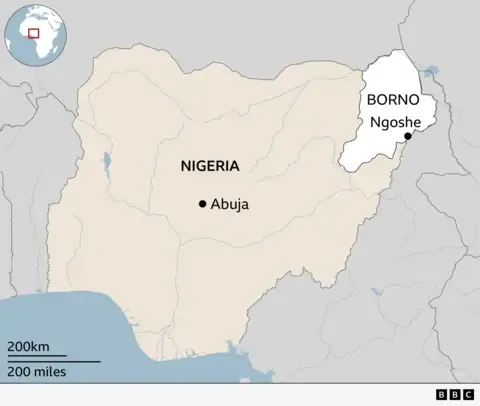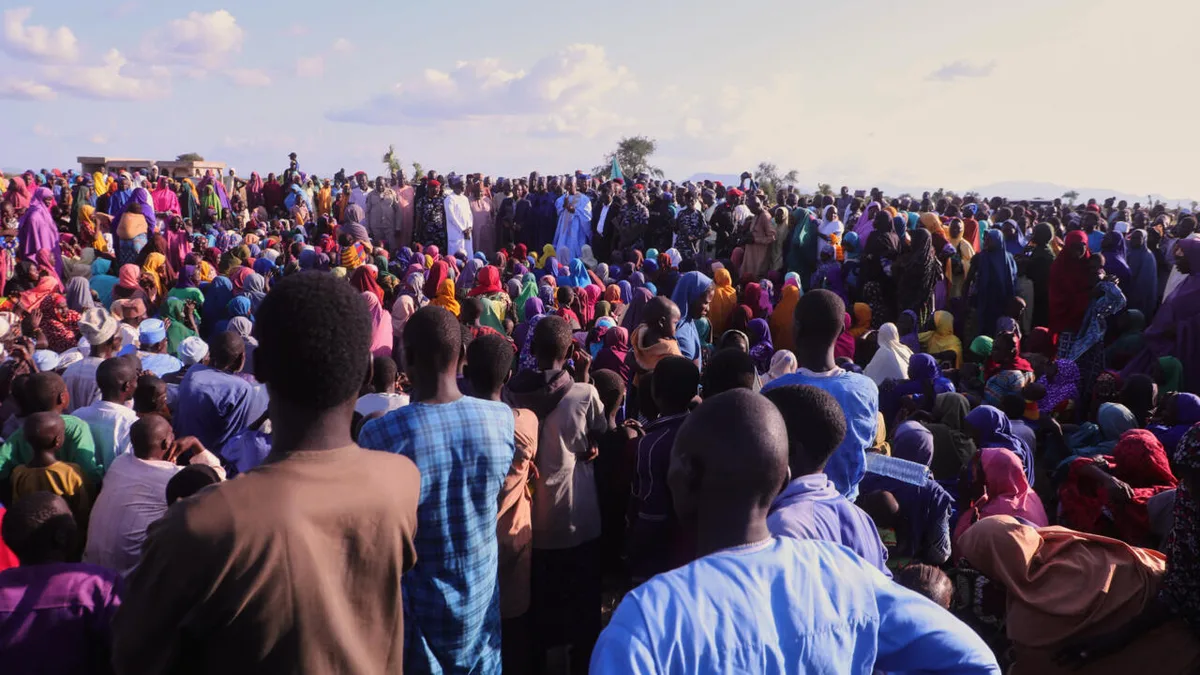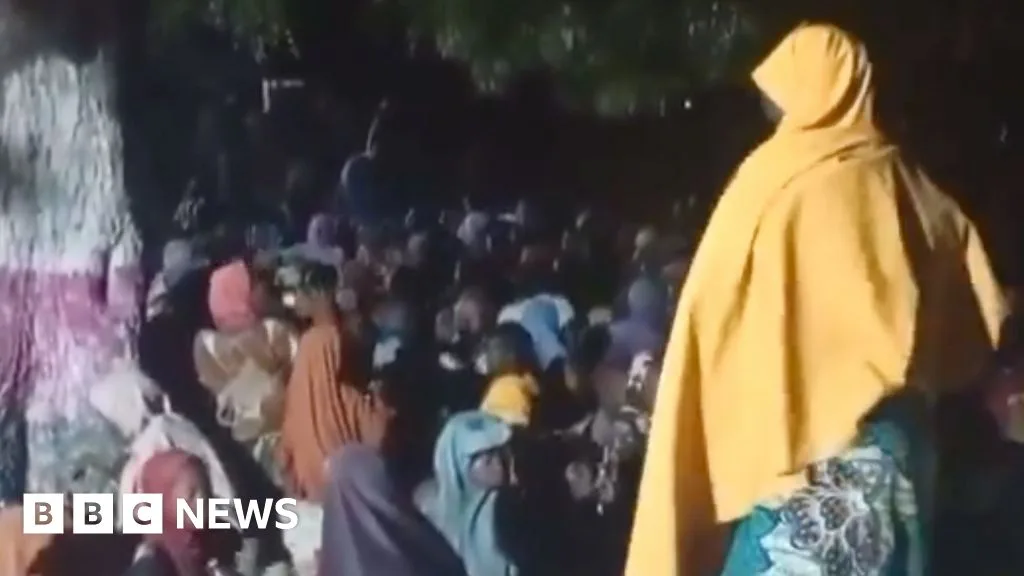
At least 360 captives abducted by Boko Haram in March from Ngoshe, a community in northeastern Borno state, were freed from a remote hideout in the Mandara mountains over the weekend before August 29, 2026 [1, 2]. The Borno South Youth Alliance (Bosaya) claims the number of freed women and children reached 416, all taken from Ngoshe, a mainly Muslim village near the Cameroon border [1, 2].
The Nigerian military said it conducted an "intelligence-led operation" targeting the militants' mountain stronghold, catching Boko Haram fighters by surprise. Military spokesperson Lt-Col Haruna M Sani said, "Faced with the speed, precision, and overwhelming combat power of the advancing troops, several insurgents abandoned their positions and fled into surrounding mountainous terrain, while others surrendered" [1]. The military described the operation as a significant hostage rescue.
However, the Borno South Youth Alliance says the captives were freed through unconditional mediation they secured locally, without ransom or military assault [1, 2]. The details of how exactly the release was achieved remain unclear as the military and local group present different accounts.
Tragically, two infants died from exhaustion caused by prolonged captivity and the harsh mountainous terrain, a loss confirmed by Daniel Bwala, a special adviser to President Bola Tinubu, who stated, "Sadly, two infants died due to exhaustion from prolonged captivity and harsh terrain" [1, 2].
Boko Haram had reportedly demanded millions of naira in ransom for the abducted captives. Kidnapping for ransom is a common tactic used by Boko Haram and other armed groups in Nigeria. Although the Nigerian government denies paying ransoms, analysts suggest families or intermediaries sometimes do [1, 2]. From July 2024 to June 2025, ransom payments linked to Nigeria's kidnapping crisis totaled an estimated $1.66 million [2].
The captives, mostly women and children, were freed following a brazen Boko Haram attack during Ramadan in March that overwhelmed Ngoshe [1]. On August 28, the military released videos and photos of the freed captives, demonstrating the success of the operation [1]. The Nigerian military and local youth groups continue efforts to secure safety for the freed captives and to pursue remaining militants in the region.