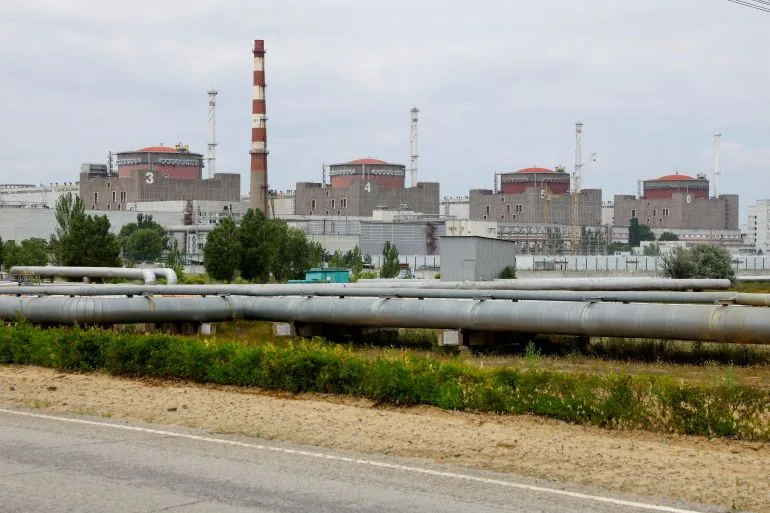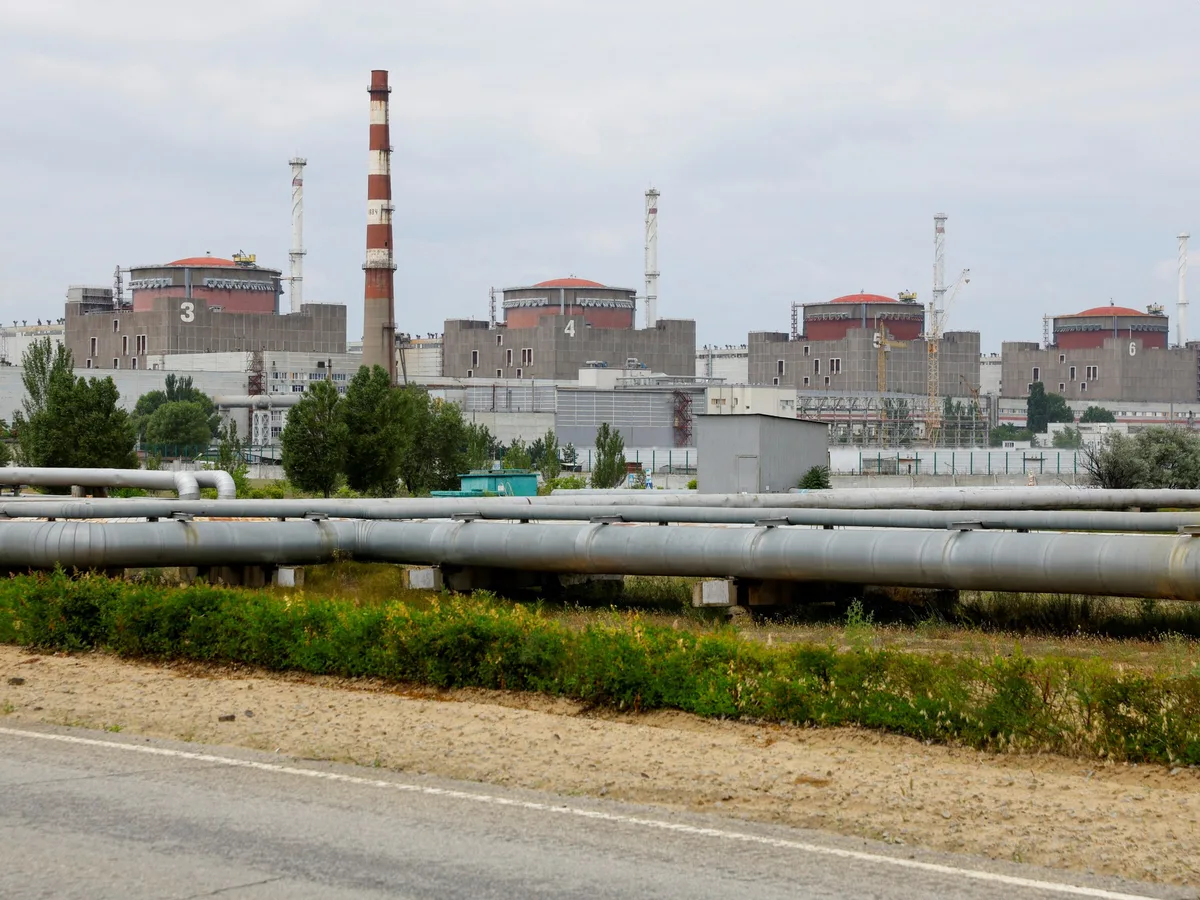
The International Atomic Energy Agency (IAEA) brokered a localized ceasefire that took effect on June 5, 2026, near the Zaporizhzhia nuclear power plant in Ukraine to enable repairs on the damaged Dniprovska power line [1, 2].
The Zaporizhzhia plant, Europe's largest nuclear facility, has six reactors and has relied on a single backup 330-kilovolt power line since its primary 750-kilovolt Dniprovska line was disconnected more than two months ago [1, 2]. Repeated disruptions to this backup line have sometimes forced the use of emergency diesel generators to cool the reactors, raising concerns about nuclear safety [1, 2].
The ceasefire was necessary due to intense fighting, drone strikes, and artillery attacks near the plant in the Zaporizhzhia region, where the power line and pylons cross the frontline along the Dnipro River [1, 2]. After extensive demining of the area, technicians from both sides are scheduled to begin repairs to restore stable power to the plant’s reactors [2].
IAEA Director General Rafael Grossi said, "The IAEA will continue to do everything it can to help protect people and the environment from the risk of a nuclear accident that would benefit absolutely no one and only add further to wartime devastation and suffering" [2]. This ceasefire marks the sixth temporary agreement brokered by Grossi between Russia and Ukraine since 2022 to support nuclear safety efforts [1, 2].
Repair work is set to proceed soon following clearance of explosives near the vulnerable power infrastructure, aiming to restore the plant’s main power supply and reduce its dependency on emergency generators [2].