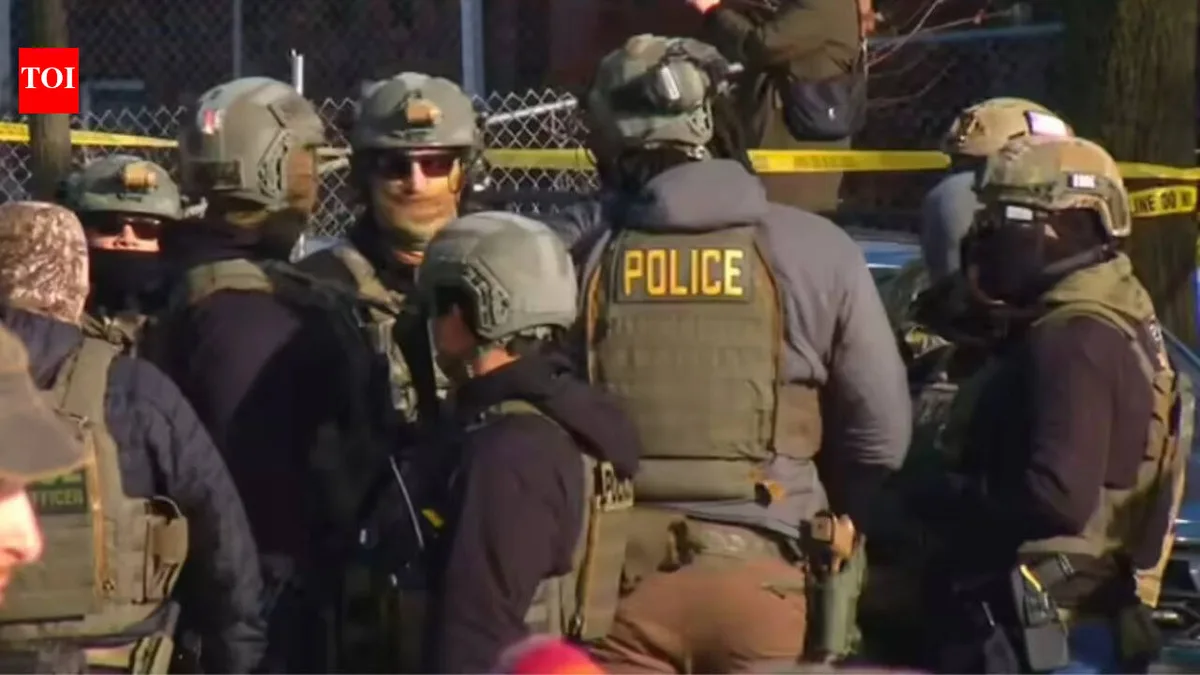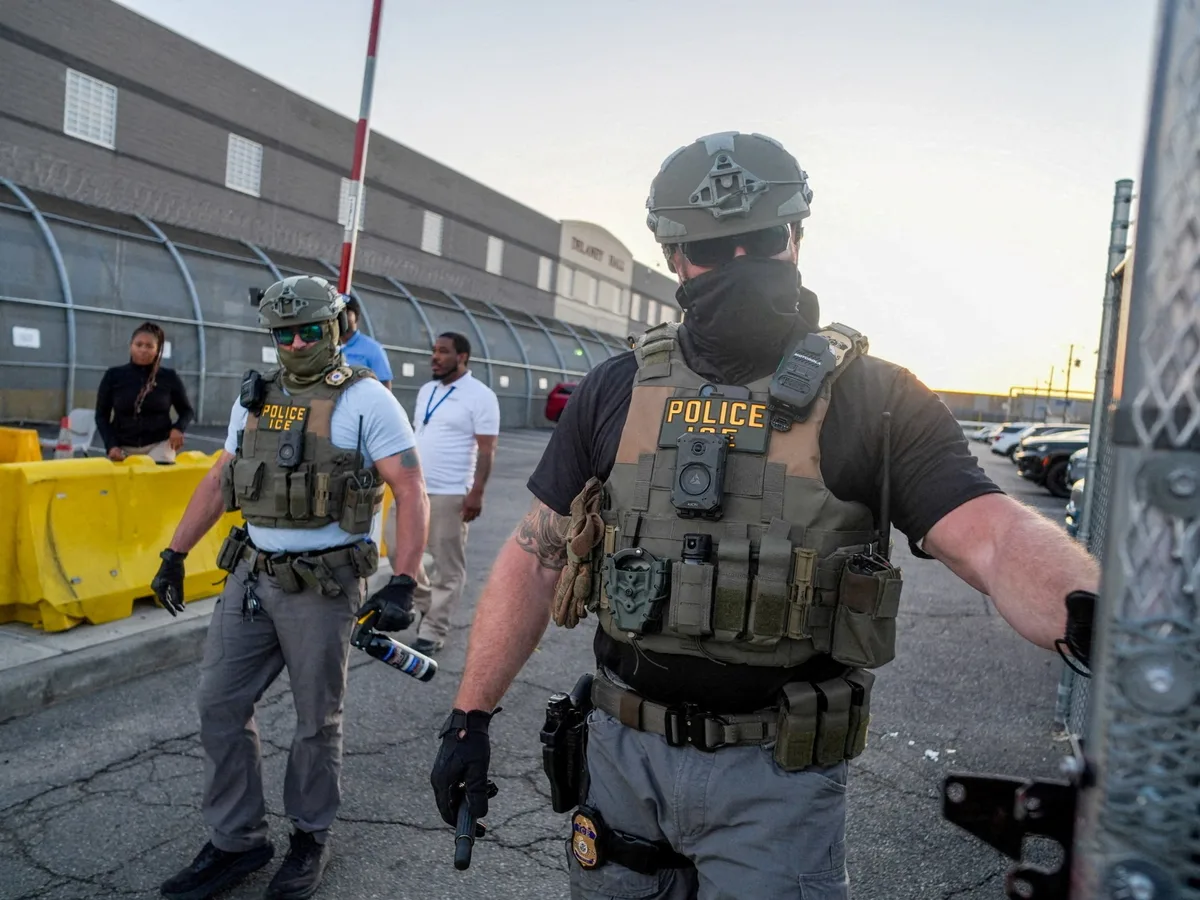
US Immigration and Customs Enforcement (ICE) arrested 49,571 people in July 2026, the highest monthly total since President Donald Trump began his second term in office [1, 2, 3, 4]. This figure represents about a 15% increase from June arrests and roughly 70% more than in February 2026 [1, 2, 3, 4]. Nearly 20,000 of those arrested were in Texas and Florida, states with active 287(g) agreements allowing local law enforcement to assist ICE [1, 2, 3, 4].
Arrests had fallen to near 30,000 in February after two fatal shootings involving ICE agents in Minnesota sparked protests and Democratic opposition, but numbers stagnated for several months before climbing sharply again in June and July [1, 2, 4]. ICE expanded its workforce by roughly 12,000 officers and agents during 2025, contributing to increased enforcement capacity [1, 2, 4].
About half of the arrests in July were non-custodial, occurring during routine traffic stops and immigration check-ins rather than large-scale raids [3]. Over half of those arrested in July had no criminal convictions, while fewer than one-quarter had been convicted of a crime [3]. Homeland Security Secretary Markwayne Mullin said, "We will not let ICE be the subject of news headlines again," indicating a preference for quieter enforcement even as arrests surged [2, 3, 4].
Monthly ICE arrests crossed 40,000 in December 2025 after the agency loosened restrictions on targets. Arrests dipped sharply after the January 2026 Minnesota shootings, with February hitting about 30,000. Arrests rose again to around 43,000 in June 2026 before jumping to 49,571 in July [1, 2, 4].
The next reported data on ICE arrests is expected after August 2026, though enforcement levels have shown steady growth since early 2026.