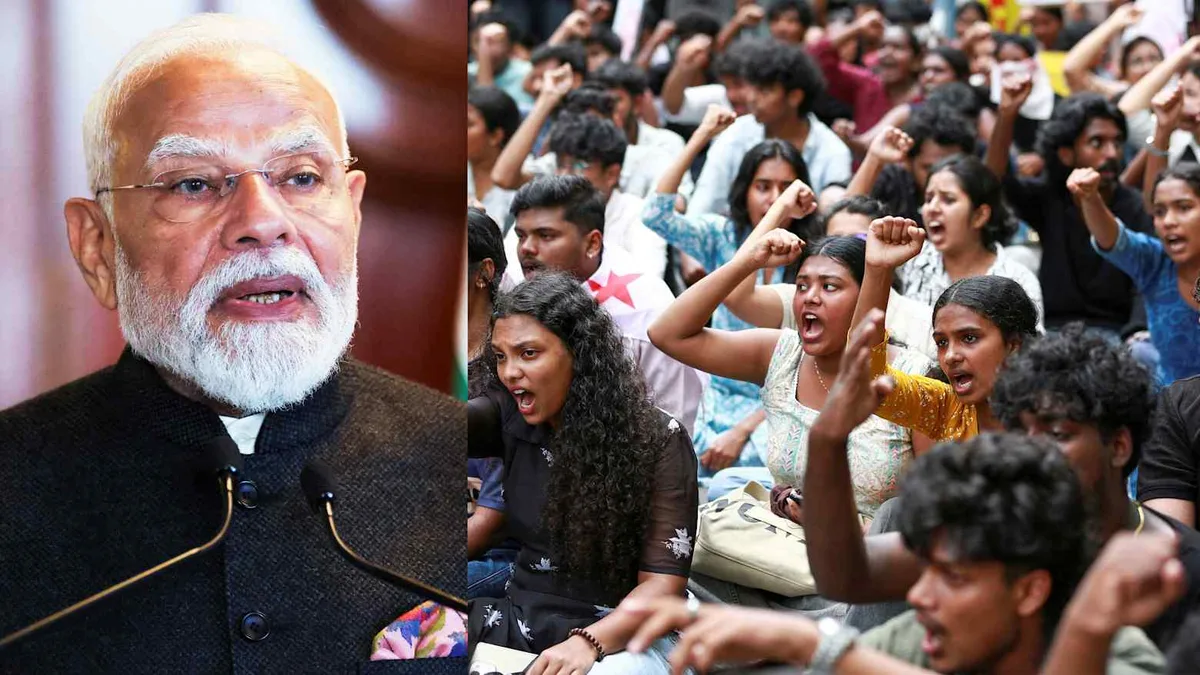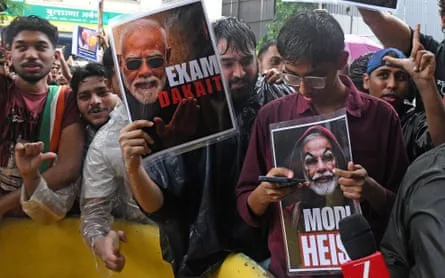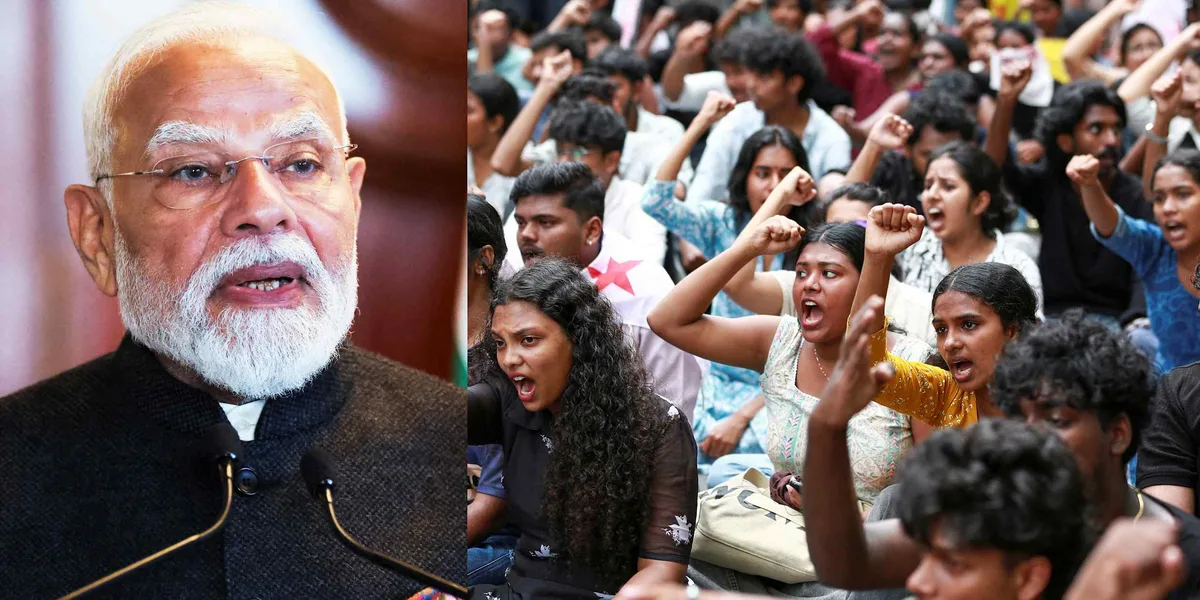
Prime Minister Narendra Modi announced on July 23, 2026, the establishment of fast-track courts to expedite punishment for those involved in exam paper leaks affecting millions of students across India [1, 2, 3, 4]. Modi said, "Nothing is more important than the welfare and future of our youth. Those who try to harm the future of our youth will not be spared," and added, "We have decided to set up fast-track courts to ensure swift and stringent punishment for those involved in paper leaks" [1, 2].
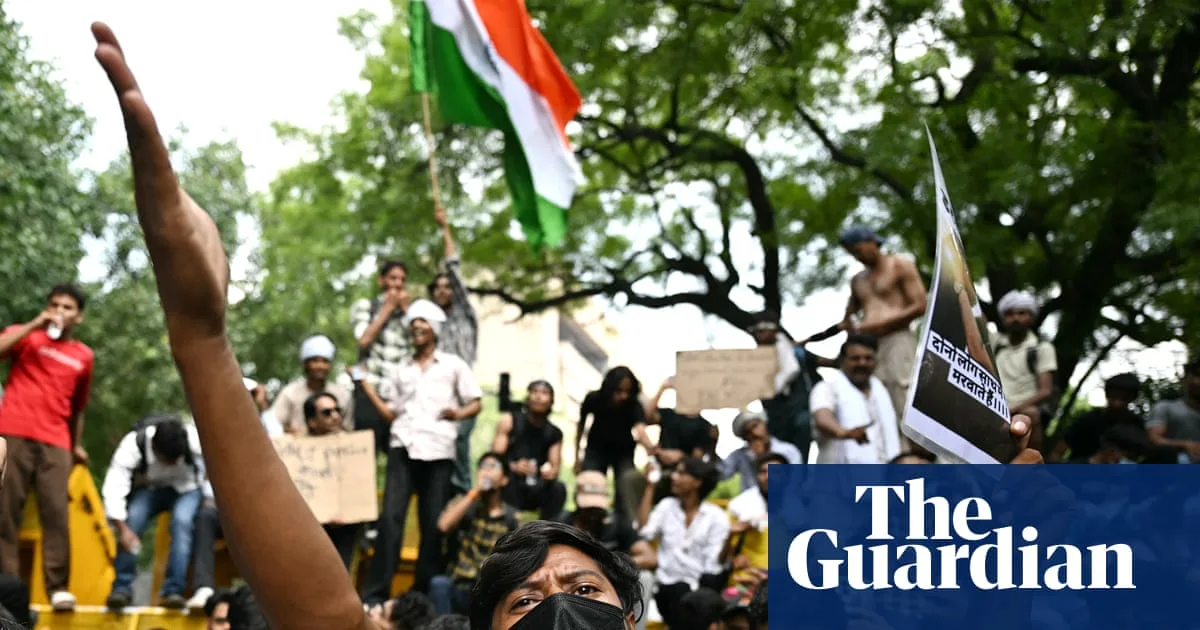
The announcement comes amid mass protests led by the youth-driven Cockroach Janta Party (CJP), which has been rallying in Delhi since May 2026. The demonstrations began after exam leaks impacted approximately 2 million students nationwide, triggering demands for accountability in the education system [1, 2, 5, 3, 4]. The CJP protests originated in response to Chief Justice Surya Kant labeling unemployed youth as "cockroaches" and "parasites," galvanizing young activists against systemic failures [1, 3, 4].
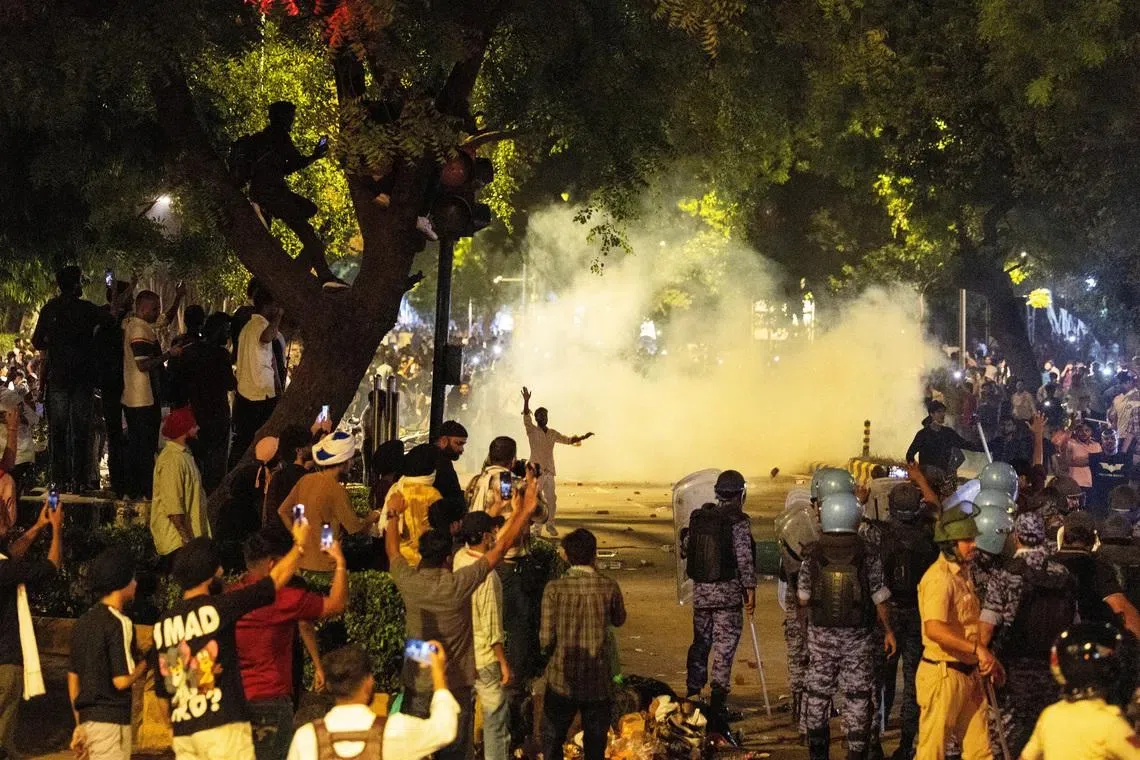
On July 20, tens of thousands of protesters—estimates range from 50,000 to over 100,000—marched toward Parliament in Delhi. Police responded with tear gas and baton charges, leading to clashes and at least 178 reported injuries among security personnel and protesters [1, 2, 3, 4]. Protests continued with large gatherings at Jantar Mantar on July 22 and spilled onto surrounding streets. The unrest has spread from Delhi to cities including Mumbai, Ranchi, Pune, Thiruvananthapuram, and Kolkata [5, 4].
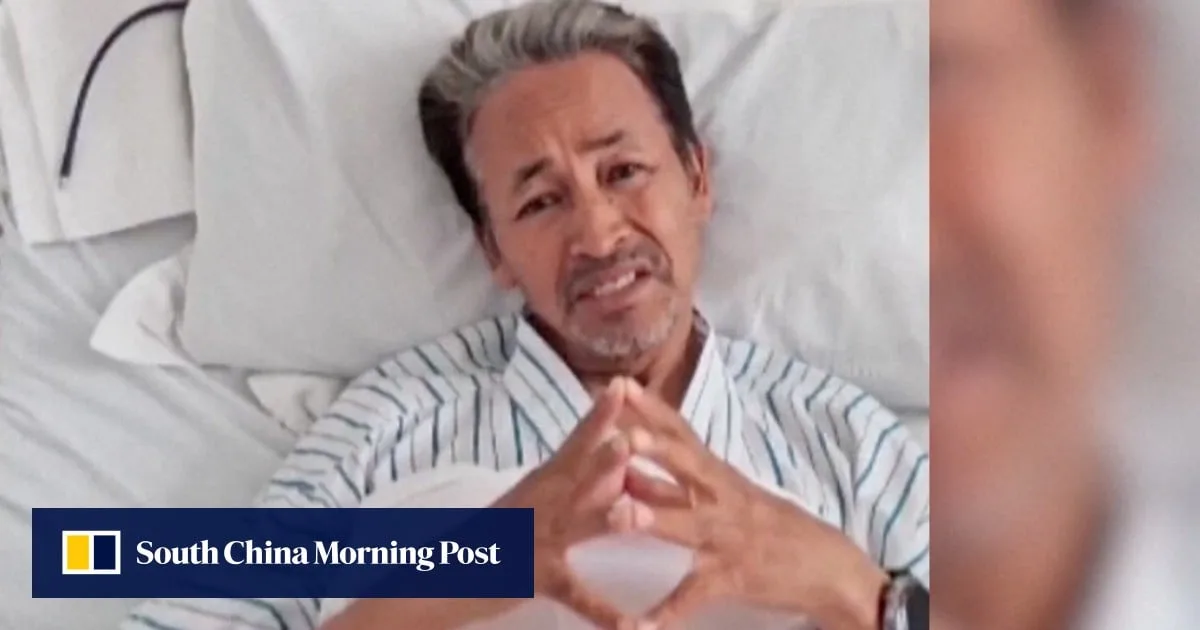
Sonam Wangchuk, a prominent activist who had camped on a hunger strike for 26 days, ended his fast on July 24. Despite this, he and the CJP maintain that protests will continue until Education Minister Dharmendra Pradhan resigns [6, 5, 7]. Wangchuk noted that protest leaders have secured assurances from officials that Parliament will hold a full debate on improving accountability in the education and examination system [7].
The opposition demands Pradhan’s resignation, with leader Rahul Gandhi accusing the government of failing to secure convictions despite 152 exam leak cases over the last decade. Gandhi called the leaks a destruction of "India’s most valuable asset, destroying the lives of our students" and demanded Modi apologize for the government’s shortcomings [1, 4].
The CJP rejected Modi’s announcement of fast-track courts as insufficient, affirming that resignation of Education Minister Pradhan and education system reform are their non-negotiable demands. CJP founder Abhijeet Dipke said, "We won’t let Sonam sir’s sacrifice go in vain," while spokesman Saurav Das said the group will continue to press their demands and hopes the government will listen [1, 6, 7].
Modi’s government has so far ruled out any cabinet reshuffle. Protest leaders have scheduled a meeting with government officials to discuss their demands further [5, 7]. The fast-track courts are expected to begin functioning soon, marking the government's first concrete step toward addressing the exam leak crisis.