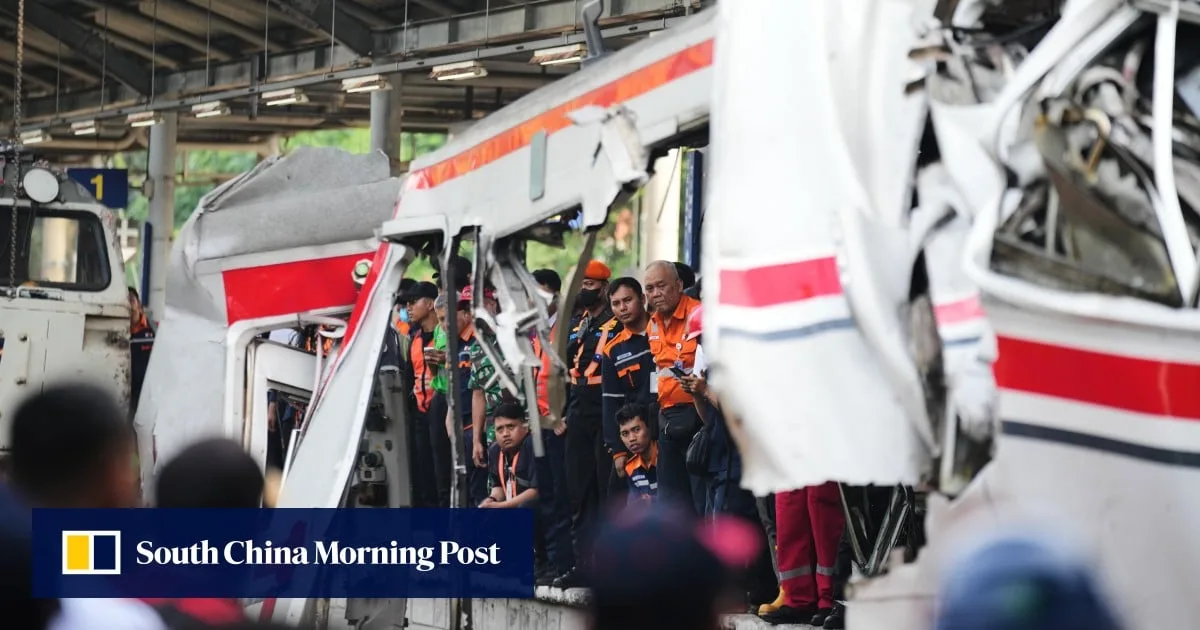
A train crash in Indonesia on May 3 killed 16 passengers, exposing serious safety gaps in the country's rail network, officials said [1]. The accident highlighted numerous unguarded, poorly maintained, and haphazard railway level crossings that put lives at risk [1].
On May 4, President Prabowo Subianto visited injured victims in the hospital and pledged $230 million to upgrade level crossings nationwide [1]. He approved building a new overpass in Bekasi, near the crash site, to improve safe crossing for passengers and traffic.
"We have found that many railway crossings are unguarded," Prabowo said. "The Bekasi administration has proposed building an overpass ... and I have approved it so that it can be built immediately with presidential help" [1].
The president also ordered immediate improvements to all level crossings, "whether by adding guard posts or constructing overpasses," he added [1].
Transport analysts have pointed to other safety issues, including weak law enforcement, aging infrastructure, and fragmented responsibility among agencies overseeing rail safety in Indonesia [1]. Experts warn these factors increase the risk of further accidents.
The government plans to use the pledged funding to address these problems starting with the most hazardous crossings across the country. Construction of the Bekasi overpass is expected to begin soon as part of the urgent safety upgrades.
The focus on concrete infrastructure improvements follows a spike in public concern and demands for safer rail travel after the recent fatal crash.
