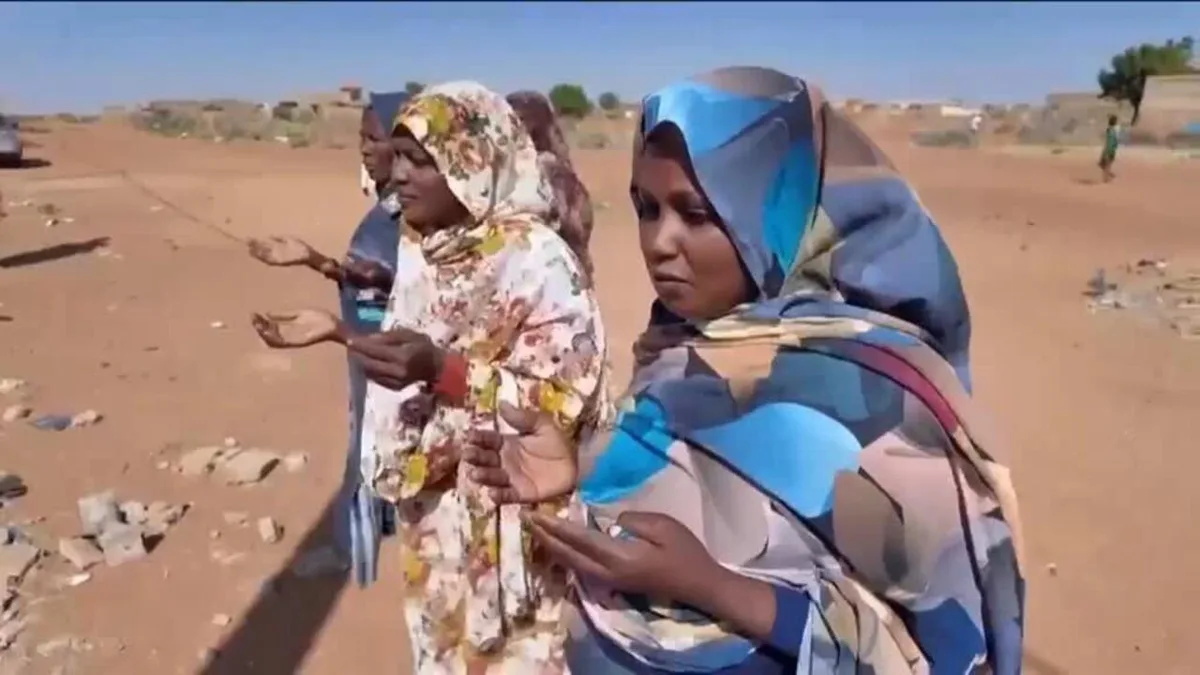
El-Obeid, the capital of Sudan's North Kordofan state, is facing intense fighting and drone strikes by the Rapid Support Forces (RSF), which have targeted fuel stations, power supplies, and water infrastructure since July 10-11, 2026 [1, 2]. Despite the attacks, the Sudanese army maintains control of the strategic city [1].
The United Nations Children's Fund (UNICEF) has warned that approximately 500,000 civilians in El-Obeid are at immediate risk from the violence, emphasizing that children face grave dangers including death, injury, displacement, or other serious violations [2]. "Intensified fighting in Al Obeid, Sudan, is forcing children and families to be displaced and seek refuge," UNICEF said. "Further escalations must be prevented for children’s safety." [2]
El-Obeid's population has grown unofficially from around 500,000 to nearly 3 million due to an influx of internally displaced people fleeing violence elsewhere in Sudan [2]. The situation in El-Obeid reflects the broader conflict that has engulfed Sudan since 2023, when fighting broke out between the Sudanese army and the RSF over paramilitary integration. That conflict has resulted in tens of thousands of deaths and displaced 13 million people nationwide [2].
Drone attacks by the RSF in the Kordofan region have been particularly deadly. From January to April 2026 alone, at least 880 civilians were killed by these drone strikes, according to UN reports [2]. The attacks on El-Obeid in July represent an escalation of this deadly campaign. On May 12, the UN had already warned of escalating RSF drone attacks in the region [2].
In response to growing concerns, the UN Human Rights Council has ordered an urgent investigation into potential violations and abuses in El-Obeid, citing the imminent risk of large-scale atrocities following the recent drone strikes and fighting [2].
The conflict shows no sign of abating, with RSF drone attacks continuing to target vital civilian infrastructure, compounding humanitarian risks in a city swollen with displaced persons.
The UN investigation ordered on July 11, 2026, will be a crucial next step to assess human rights violations and coordinate humanitarian relief efforts in the increasingly perilous environment of El-Obeid [2].