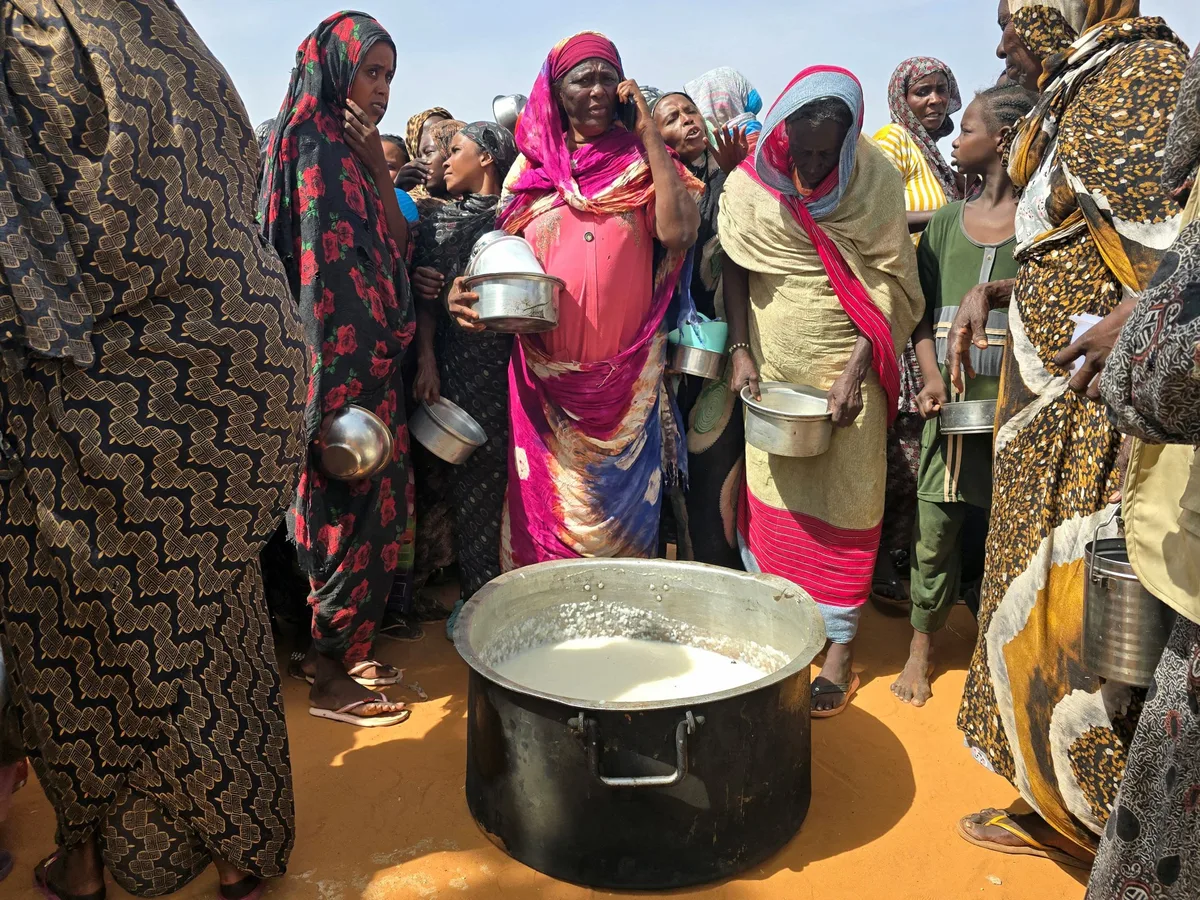
Sudan has been engulfed in a brutal conflict since April 2023 between the paramilitary Rapid Support Forces (RSF) and the Sudanese military, killing at least 59,000 people, according to a conflict monitoring group [1]. The war has driven one of the world's largest humanitarian emergencies, with 35 million people now in need of assistance [1, 2].
More than 9 million Sudanese are displaced within the country, while about 4.5 million have fled abroad as refugees [1, 2]. Khartoum and other affected regions face severe shortages of electricity, clean water, and healthcare. Threats from cholera, malnutrition, and seasonal floods add to civilian suffering [1, 2].
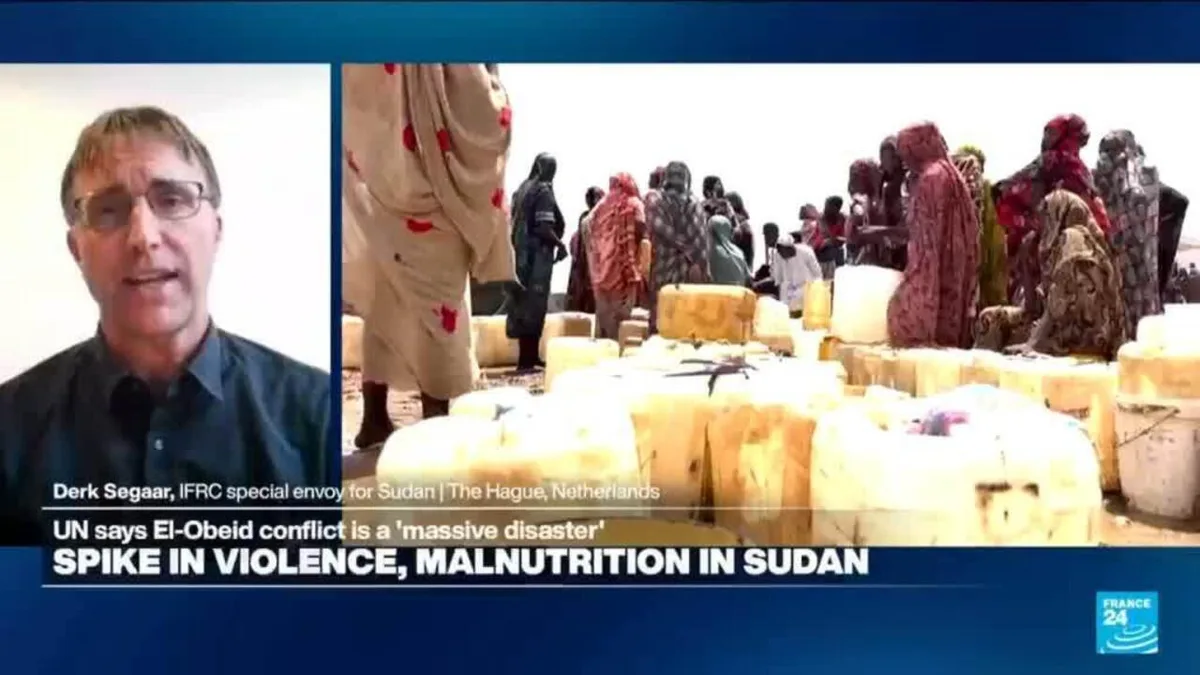
Derk Segaar, Special Envoy of the International Federation of Red Cross and Red Crescent Societies (IFRC), called Sudan "one of the world's largest humanitarian crises, yet it is also one of its most overlooked" [1, 2]. He spoke to reporters in Geneva after visiting Sudan earlier this month seeking more international aid to address worsening conditions [1, 2].
Despite over 1,200 days of conflict, the IFRC emergency appeal for Sudan is only 35% funded [2]. The Sudanese Red Crescent, with its 122,000 volunteers nationwide, remains among the few groups still able to access communities across all 18 states [2].
Fighting has persisted especially in Sudan’s three Kordofan states since October 2025 [1]. Sudanese Army Lieutenant-General Yasser al-Atta said the military is "advancing on all fronts," aiming to defeat the RSF before the end of 2026. He declared, "There will not be a single Janjaweed fighter, or a foreign fighter, and we are determined to achieve that" [1].
The Sudanese military has retaken territory including parts of Khartoum state but intense clashes continue. Aid groups warn that millions remain without reliable services amid escalating violence [1, 2].
The next stage involves intensified military operations scheduled to continue through 2026 while humanitarian responders push for more funding to meet the needs of millions caught in the crisis.