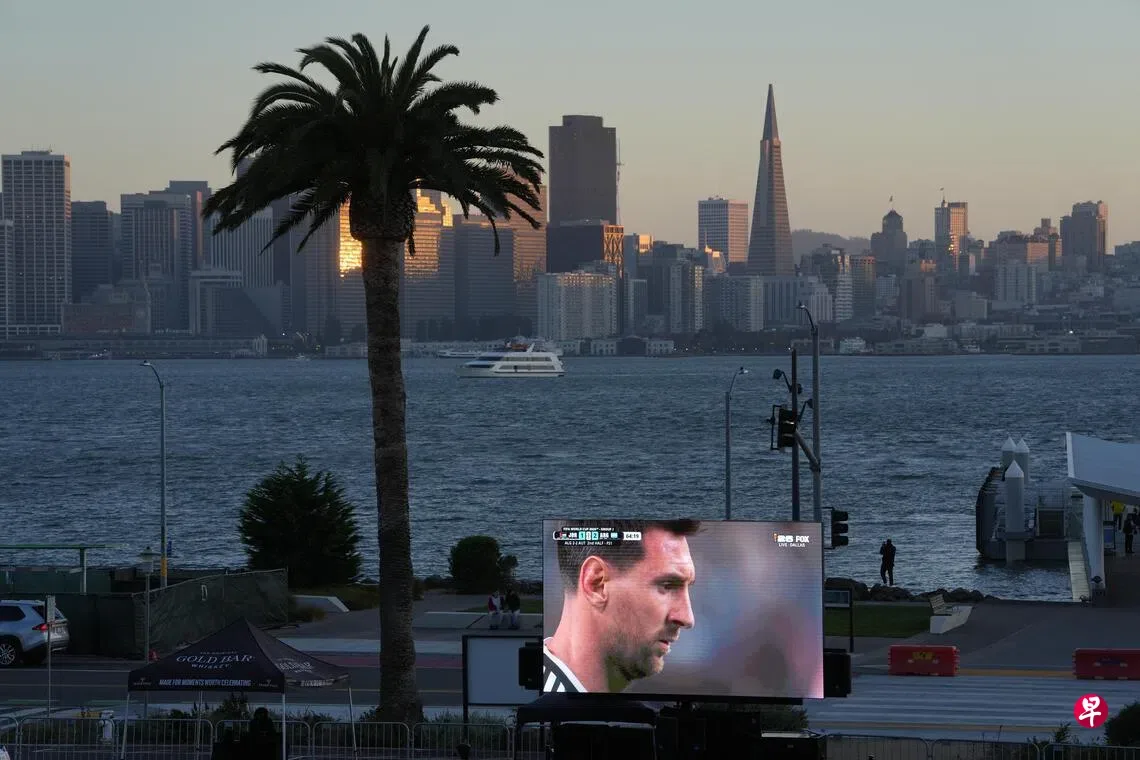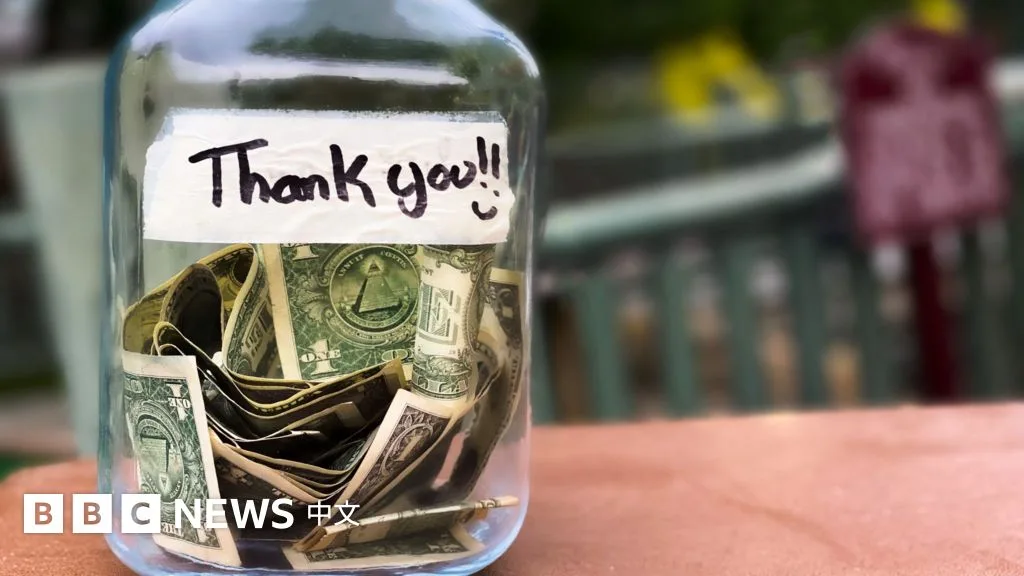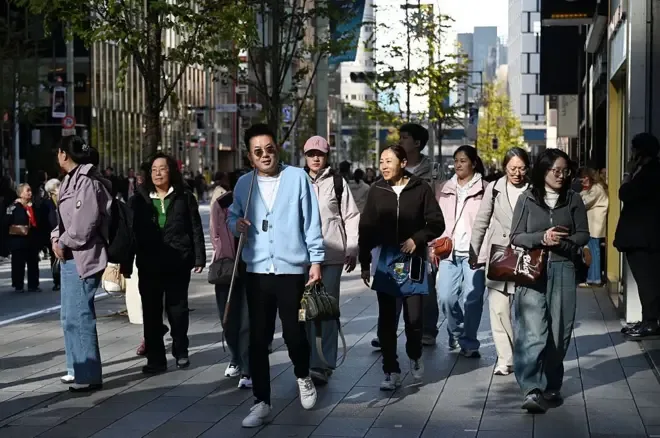
Many international soccer fans attending the World Cup in the US have voiced frustration with the country's tipping culture, describing it as confusing and costly [1, 2, 3, 4]. Fans from England, Australia, and Japan said they find tipping mandatory even for small purchases like bottled water puzzling and fatiguing [1, 2, 3, 4].
US restaurant and bar workers often earn just over $2 per hour in wages and rely heavily on tips, typically around 20% of the bill, to make a living [1, 2, 4]. Australian fan Chris O'Flynn said, "I still find it a bit confusing why it exists... Here people ask for, or expect, tips. Sometimes you don't know how much you're supposed to tip." He added that Australians prefer businesses to pay higher wages rather than putting the burden on customers: "It should be on the business, not the customer, to make sure that your staff is well paid" [1].
Japanese fans also raised concerns about high meal prices well above $30 before tips. Maiko Asahi observed, "The prices without the tips are already very expensive, with tipping it is way too much." Fellow fan Akihiro noted, "Even the cheapest meal... costs around $30, and when you add on a tip of say, 13-20% you end up thinking - Oh dear, I could have had another portion for that" [1].
Some bar owners reported receiving lower tips from World Cup tourists than expected. European visitors tend to tip far less or not at all, causing some US establishments to add mandatory service charges or prepay options [1, 2, 3, 4]. Rosa Thurnher, a US industry representative, said, "20% is standard here. Without tips, it is impossible to survive in the service industry" [2].
In places like Los Angeles, tipped workers have a higher base wage such as $16.20 per hour, whereas in many low-wage states, hourly wages remain just above $2 per hour [2, 4]. Employers must make up the difference if tips plus wages don't meet state minimums [2, 4]. Suggested tipping ranges posted in some restaurants include 10%, 15%, 20%, or even up to 30%, which many find excessive [2, 4].
Geoff Pryor, an English fan, said, "I appreciate they're not paid as much as perhaps back in the UK, but overall the service is generally good, so when it's good they deserve a good tip" [1]. Australian fan Robert McNamara added, "They're expecting a tip after every drink so it gets expensive very quick. You're buying a drink and adding $5 on. It's difficult to comprehend" [1].
Reports published on June 28 detailed these frustrations among World Cup visitors as the tournament continues [1, 2, 3, 4]. US businesses continue to rely on tipping as essential income for service workers, urging customers to tip to support livelihoods [2, 4].