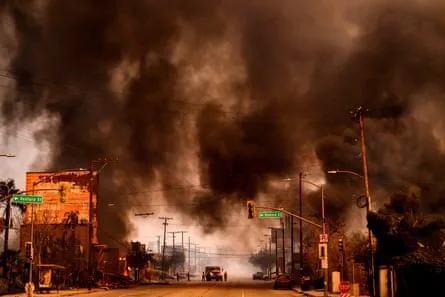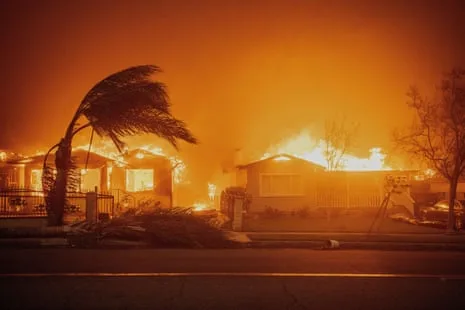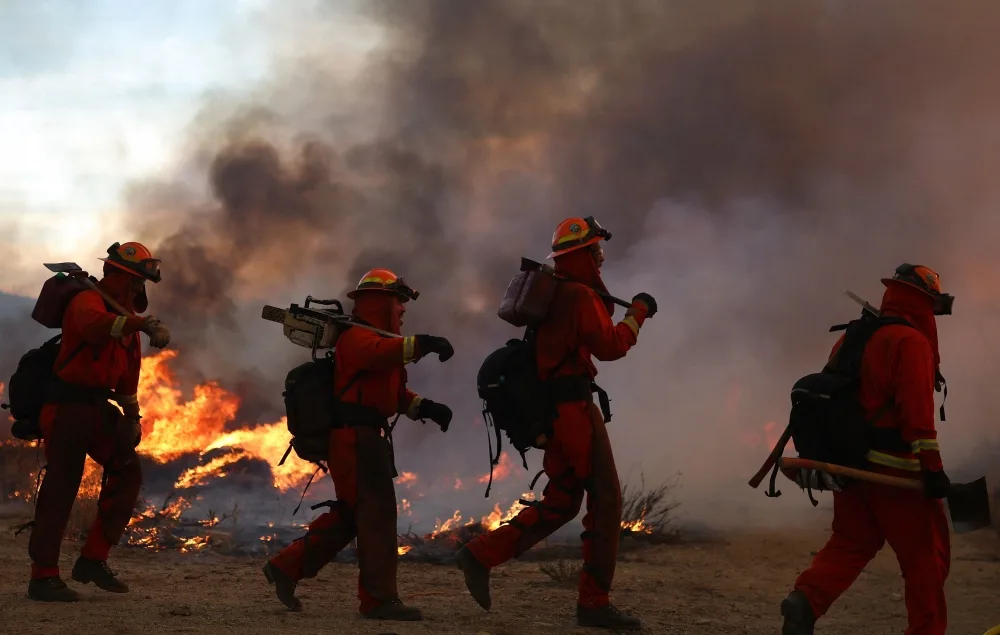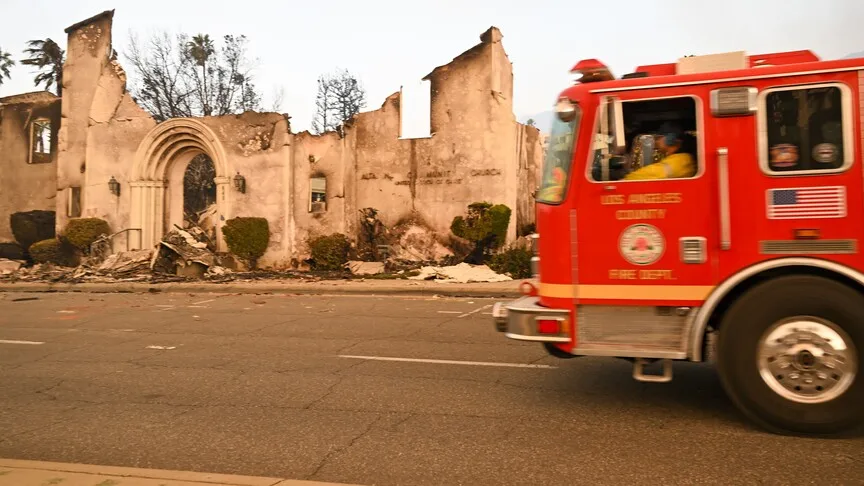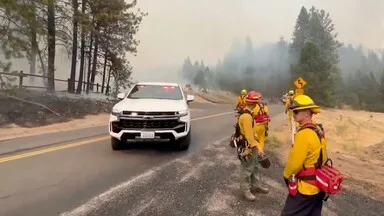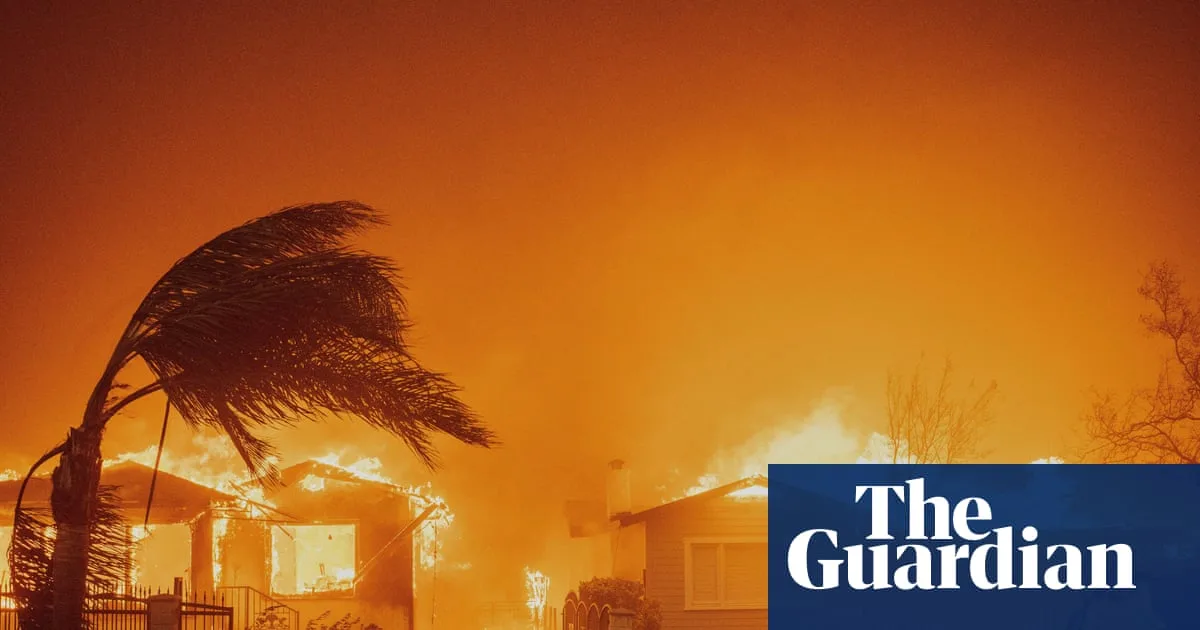
The 2025 Eaton Fire near Altadena in Los Angeles sparked from electrical arcing on a Southern California Edison (SCE) transmission tower that had been out of service for decades, according to a report released by the Los Angeles County Fire Department on August 4-5, 2026 [1, 2]. The fire killed 19 people and damaged or destroyed over 9,000 homes and businesses, primarily in Altadena, Los Angeles County [1, 3].
The blaze burned for nearly a month, scorching around 22 square miles (57 square kilometers) of land before it was fully contained [1]. Investigators found that although the SCE tower was not operational, it could still receive power and was close to active high-voltage lines [1, 2]. Electrical arcs from the tower ejected incandescent metal particles onto dry brush, igniting the fire amid extreme weather conditions including high temperatures, low humidity, and strong winds [1, 2].
Southern California Edison acknowledged its likely role in causing the fire. Kathleen Dunleavy, an SCE spokesperson, said, "We have taken our potential role in the start of this fire seriously from the very beginning," while David Eisenhauer added, "Our hearts are with the Altadena community, and we continue to support them as they recover and rebuild through our Wildfire Recovery Compensation Program" [1, 2]. SCE has paid out over US$375 million to victims through the compensation fund it established in fall 2025 [2].
SCE has also filed lawsuits claiming that Los Angeles county agencies delayed evacuation warnings and water suppliers did not provide enough water for firefighting efforts [1]. In recent years, SCE equipment has been implicated in other wildfires, including the 2018 Woolsey Fire and the 2020 Bobcat Fire, for which the company paid a US$82.5 million settlement in May 2025 [2].
The Los Angeles County Fire Department and the California Department of Forestry and Fire Protection jointly conducted the investigation into the Eaton Fire cause [1]. The report released in early August 2026 closes a year-and-a-half-long inquiry into the events that ignited one of the most devastating wildfires in the region's recent history.