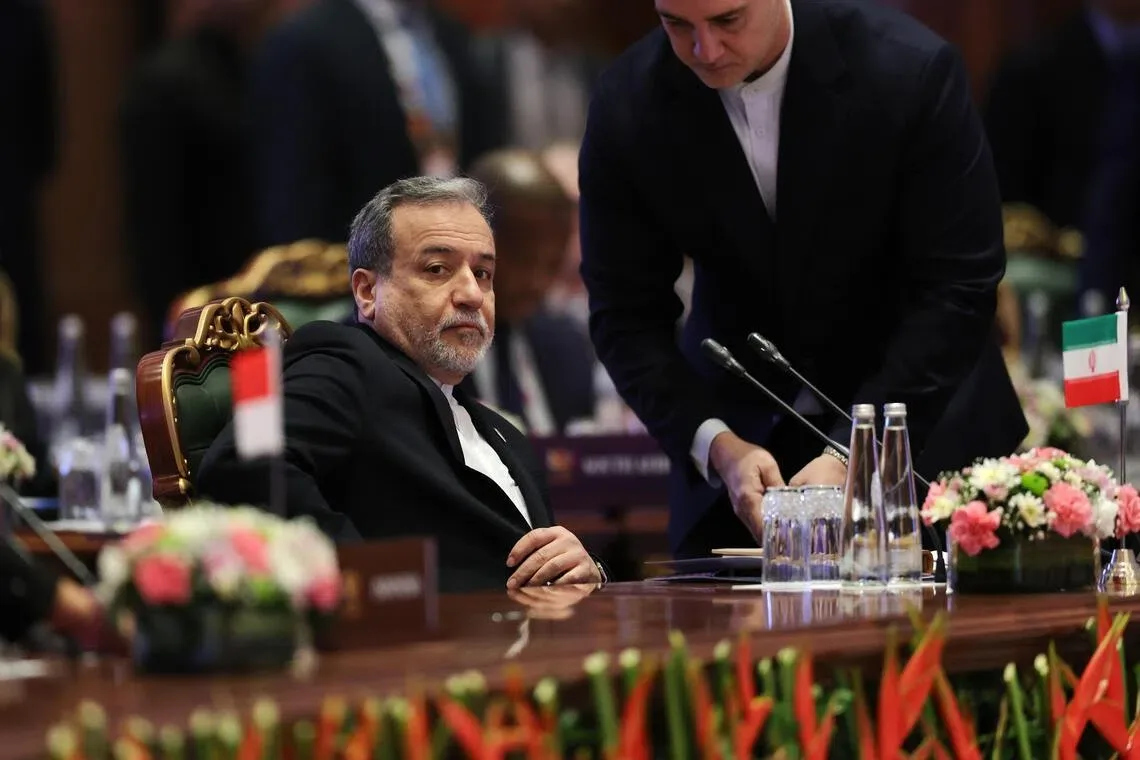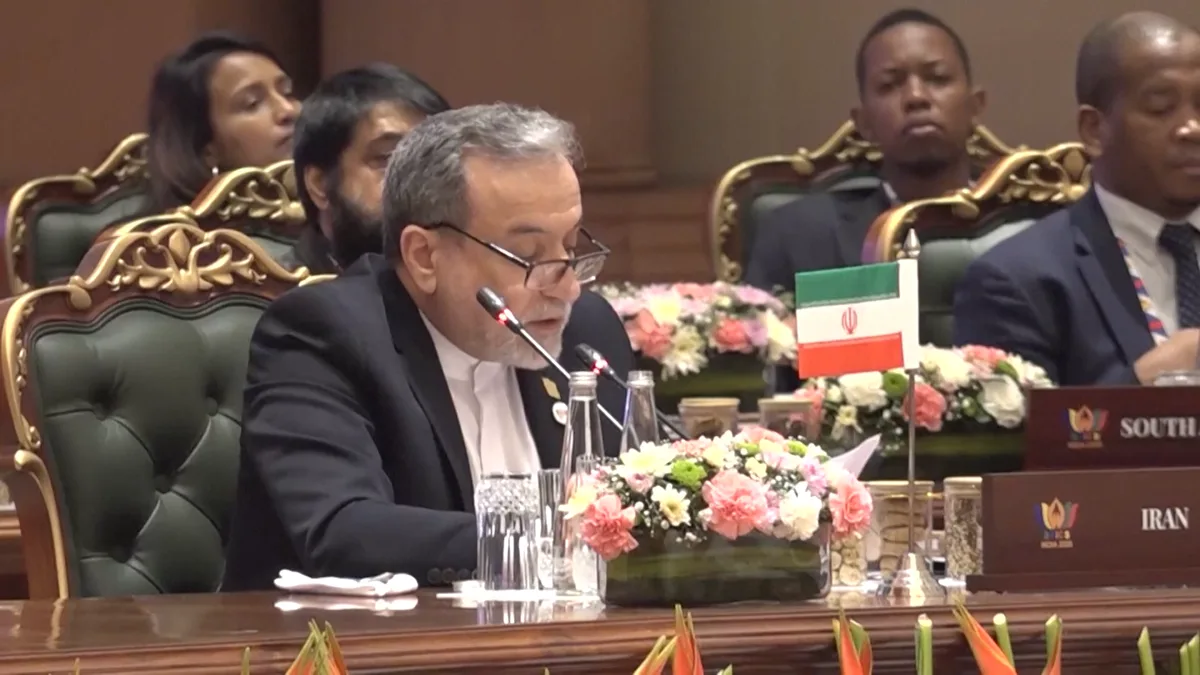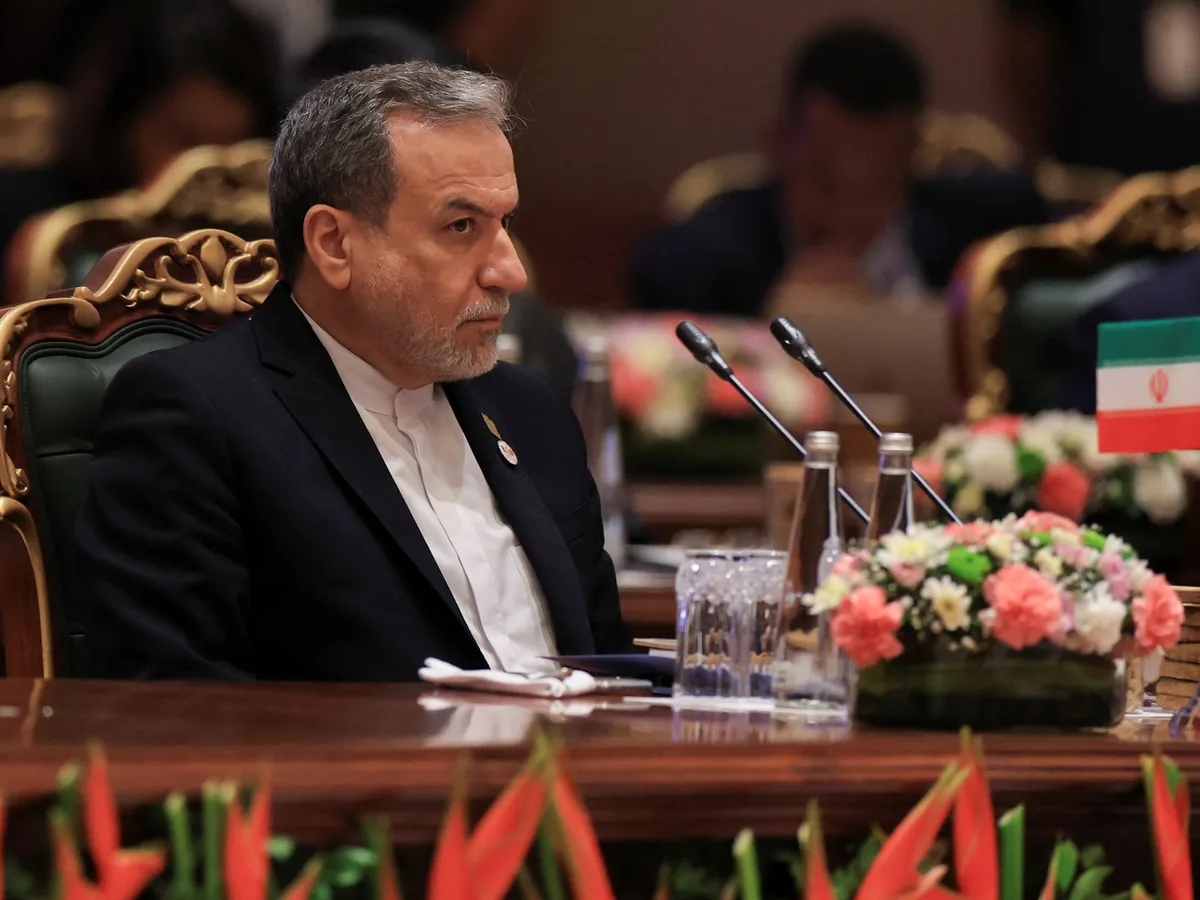
Iran's Foreign Minister Abbas Araghchi accused the United Arab Emirates (UAE) of being directly involved in military operations against Iran during the BRICS foreign ministers meeting in New Delhi on May 14, 2026. Araghchi said the UAE did not condemn attacks on Iran and allowed its territory to be used to launch military equipment against Iran, asserting, "The UAE was directly involved in the aggression against my country" [1, 2, 3, 4].
Iranian Deputy Foreign Minister Kazem Gharibabadi stated the UAE "played a significant role in supporting and facilitating the military aggression against the Islamic Republic of Iran," calling the UAE an aggressor rather than just an accomplice. He demanded the UAE "accept responsibility for your actions" [1, 3].
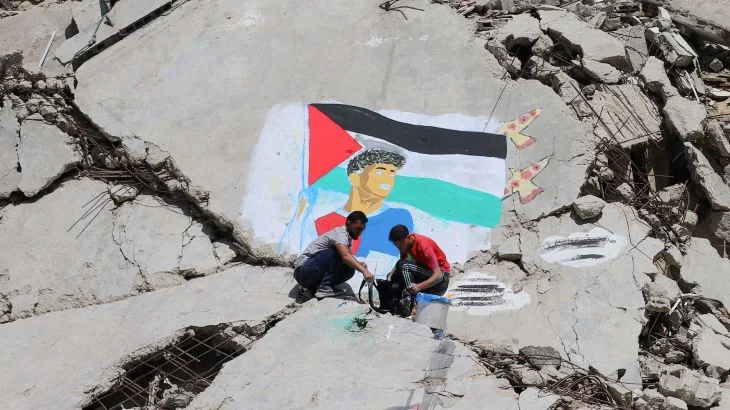
The war began on February 28, 2026, when the US and Israel launched strikes on Iran, triggering Iranian missile and drone retaliations targeting US bases and other sites in Gulf countries, including the UAE [1, 2, 5]. Despite a ceasefire beginning April 8 through Pakistani mediation, diplomatic talks have stalled recently [5, 6].
The conflict has disrupted shipping through the Strait of Hormuz, a crucial route carrying about 20% of global oil and gas supplies [5, 6, 7]. An Indian cargo ship carrying livestock to the UAE was attacked near Oman and sunk; all 14 crew members were rescued [5, 6, 7]. Meanwhile, a vessel near Fujairah in the UAE was boarded by unauthorized personnel and allegedly seized by Iran after being sailed into Iranian waters [5, 6, 7].
Iran criticized the UAE’s alliance with Israel, with Araghchi saying, "Your alliance with the Israelis did not protect you, and you should reconsider your policy toward Iran" [1, 4]. He also highlighted the heavy costs of the war on American taxpayers and global fuel prices, stating, "The US citizens must pay the ever-rising cost of this war against Iran, which could have been avoided" [8]. Pentagon estimates place the conflict's cost at $29 billion, though some experts say it exceeds $1 trillion [8].
Iran also called on BRICS member states to explicitly condemn US and Israeli violations of international law during the conflict [1, 2, 9].
The next significant event in the timeline is the continuation of diplomatic efforts and monitoring of ceasefire compliance following the stalled talks.