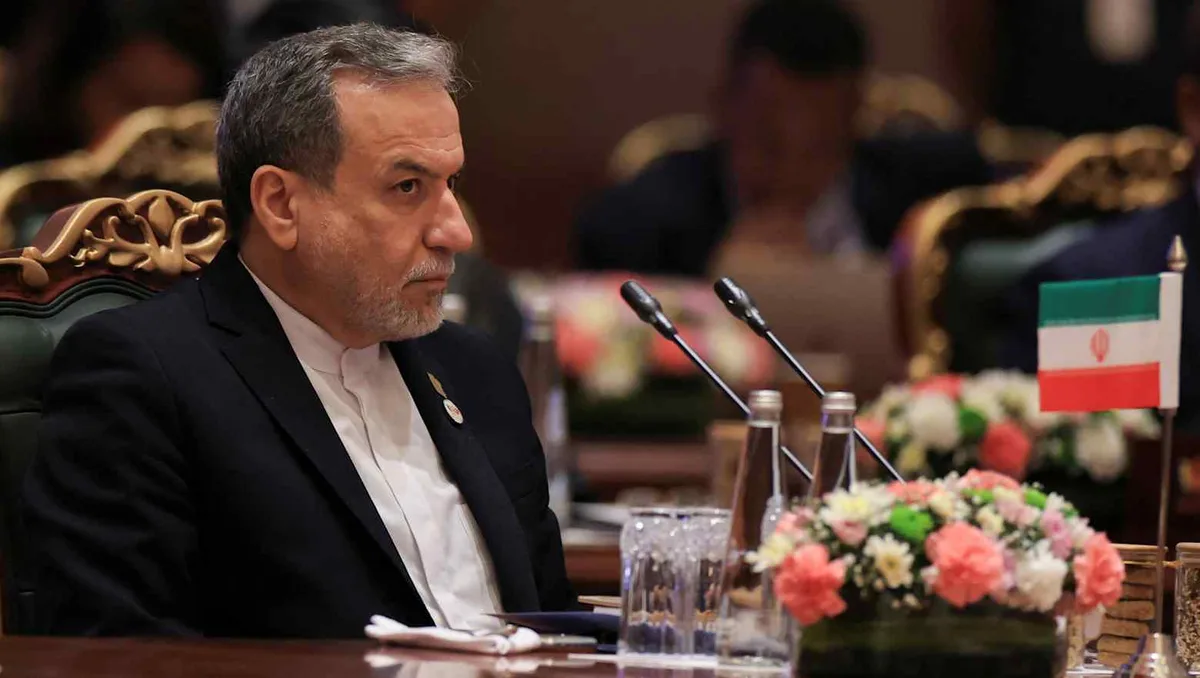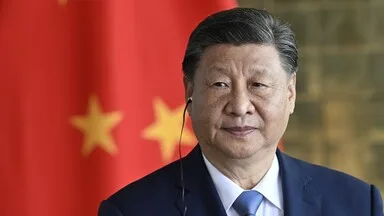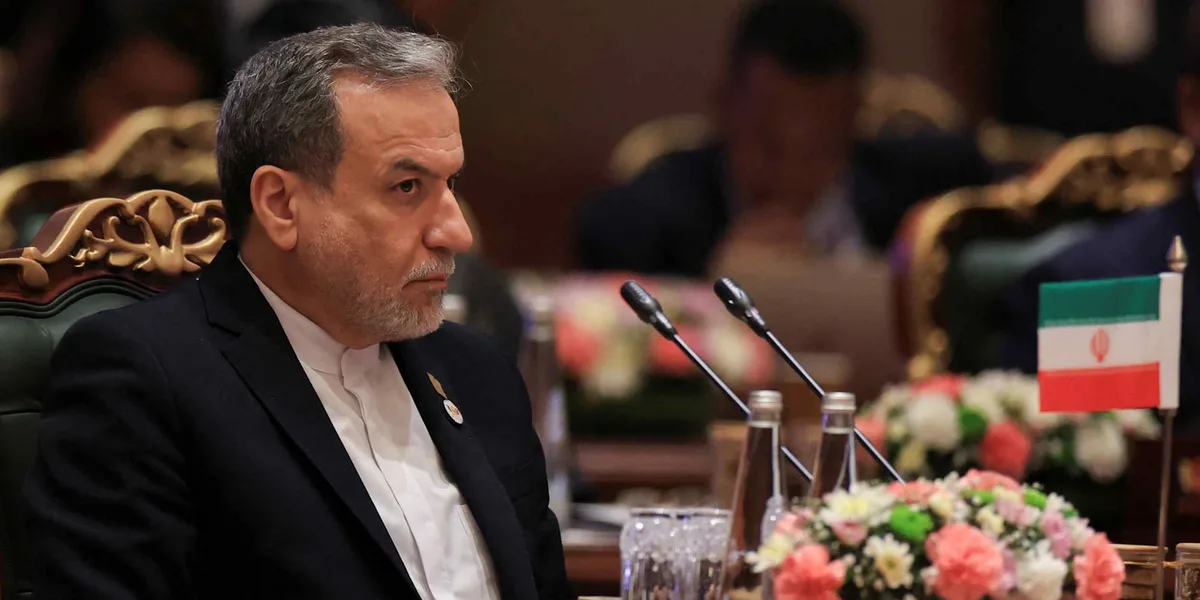
Iran accused the United Arab Emirates of involvement in US and Israeli strikes against it during a BRICS foreign ministers meeting held in New Delhi on May 14, 2026 [1]. The meeting brought together representatives from BRICS nations, including Iran's Foreign Minister Abbas Araghchi, who attended the talks [1, 2].
Tensions in the Middle East escalated sharply on February 28, when the US and Israel launched strikes against Iran. Tehran retaliated, and the conflict led to the closure of the strategic Strait of Hormuz, a vital artery for global oil shipments [2].
Despite a ceasefire brokered by Pakistan that took effect on April 8, 2026, the truce failed to produce a lasting agreement. US President Donald Trump later extended the ceasefire without setting a deadline [2].
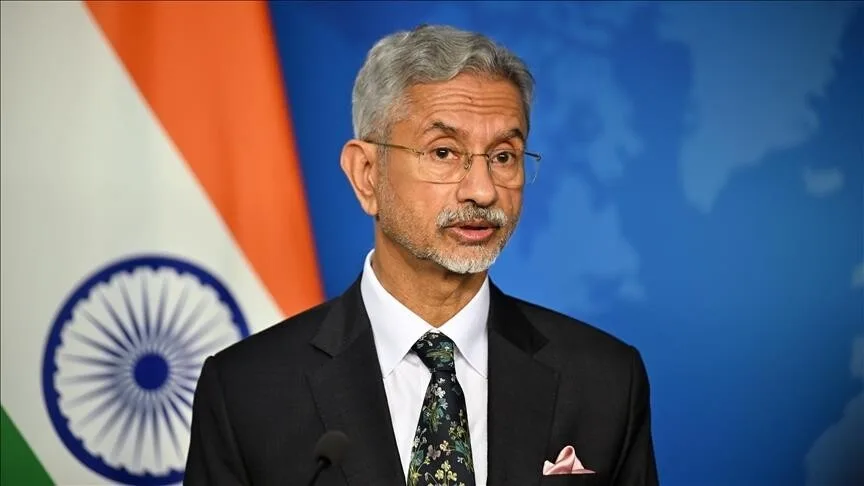
India, the host of the BRICS meeting, pressed for safe and unimpeded maritime flows through international waterways including the Strait of Hormuz and the Red Sea. India's Foreign Minister S. Jaishankar said, "Safe and unimpeded maritime flows through international waterways, including the Strait of Hormuz and the Red Sea, remain vital for global economic well-being" [2].
The UAE’s role in the conflict remains contentious, with Iran directly accusing it of complicity in the strikes during the May 14 meeting [1]. Recently, a vessel was seized 38 nautical miles northeast of Fujairah, UAE, further heightening regional security concerns [2].
The BRICS meeting concluded with no resolution to the accusations or the wider conflict. Iran’s allegations against the UAE add a new layer of complexity to the already tense situation in the Gulf.
Diplomatic efforts are expected to continue, with close attention on maritime security and potential further talks to stabilize the volatile region.