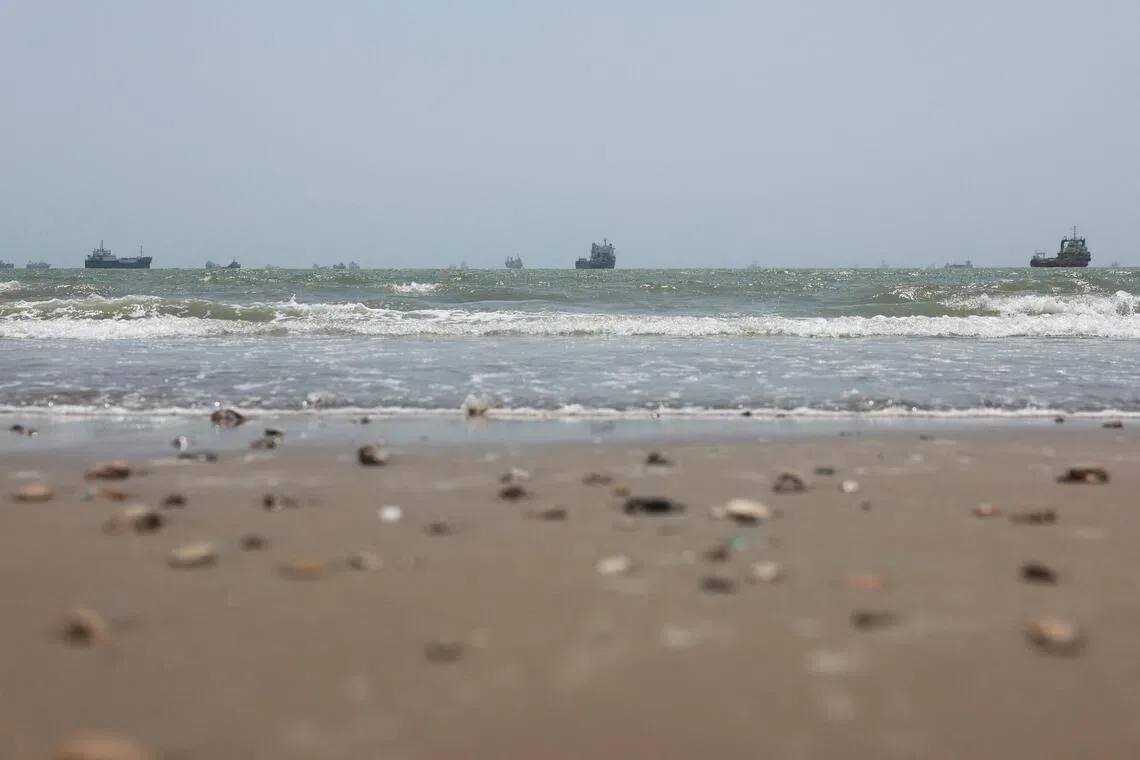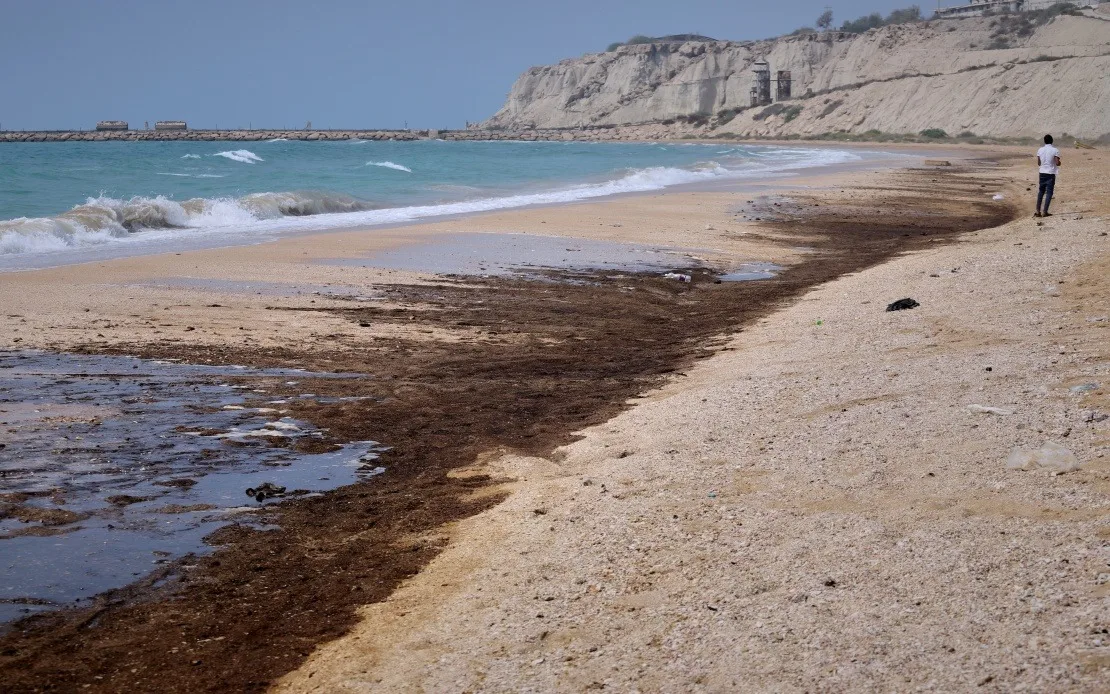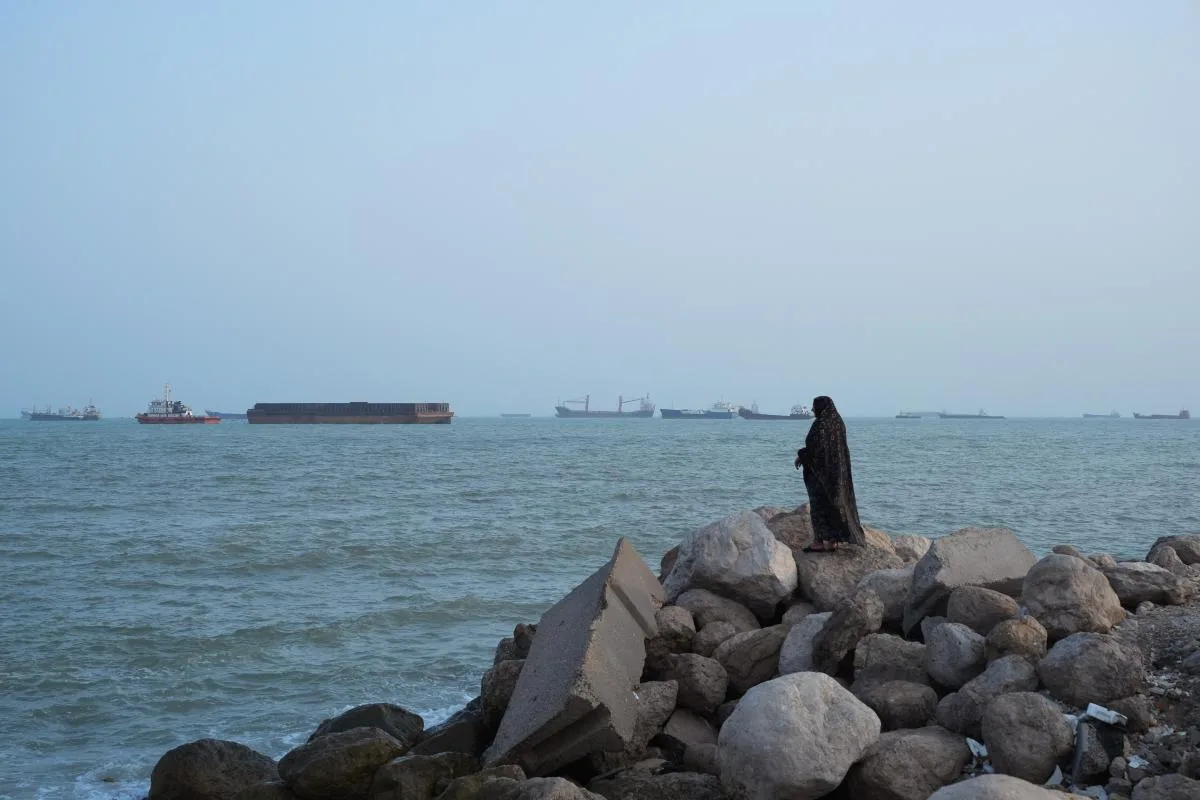
Iran and Oman met in Tehran on August 25, 2026, to discuss a framework for a temporary navigational corridor and a joint mine-clearing operation in the Strait of Hormuz, a critical waterway for global oil and gas shipments [1, 2, 3, 4, 5].
The framework outlines a seven-mile-wide temporary transit route that largely runs through Iranian territorial waters on entry and partially on exit [6, 7, 8, 9]. Iranian Deputy Foreign Minister Kazem Gharibabadi said the strait remains closed and under Iranian control until the United States fulfills commitments made under the June Islamabad Memorandum of Understanding [6, 7, 8]. He stated, "The Strait of Hormuz is closed, and we have complete control over it. The agreed-upon transit route with Oman is a temporary route. Before any action to reopen the Strait of Hormuz, the US must fully implement all of its violated commitments" [6].
Omani Foreign Minister Badr Albusaidi expressed hope in the talks’ progress, saying, "I am hopeful we will soon announce a temporary corridor for the Strait of Hormuz and practical arrangements to restore safe navigation. Future management of the strait and a permanent solution will follow in due course" [1, 2, 3, 7, 5].
The talks also covered technical details for working toward a permanent navigation corridor, future administration of the strait, and mechanisms for information sharing, traffic management, and security services [1, 10, 3, 11, 7, 12, 9]. Iran and Oman plan to continue negotiations over the next 30 to 60 days to finalize the permanent route and future management frameworks [10, 6, 7, 9].
The Strait of Hormuz has been largely closed to most shipping since early March 2026 following US-Israel attacks on Iran that escalated the Middle East conflict [1, 10, 3, 8]. Before the closure, roughly one-fifth of the world’s oil and liquefied natural gas exports passed through the waterway [1, 10, 3, 7, 8].
US President Donald Trump claimed that all mines had been cleared or detonated from the Strait’s international waters and warned Iran that any new mine placements would be destroyed immediately. He said, "There is a Zero Tolerance policy on mine placement in full force and effect" [1, 10, 3]. Iran rejected this claim, maintaining it controls the strait and continues to assert its right to secure its interests [6, 8, 9].
The ongoing discussions represent the latest effort to restore safe navigation through a corridor that is vital for global energy supplies and regional security.