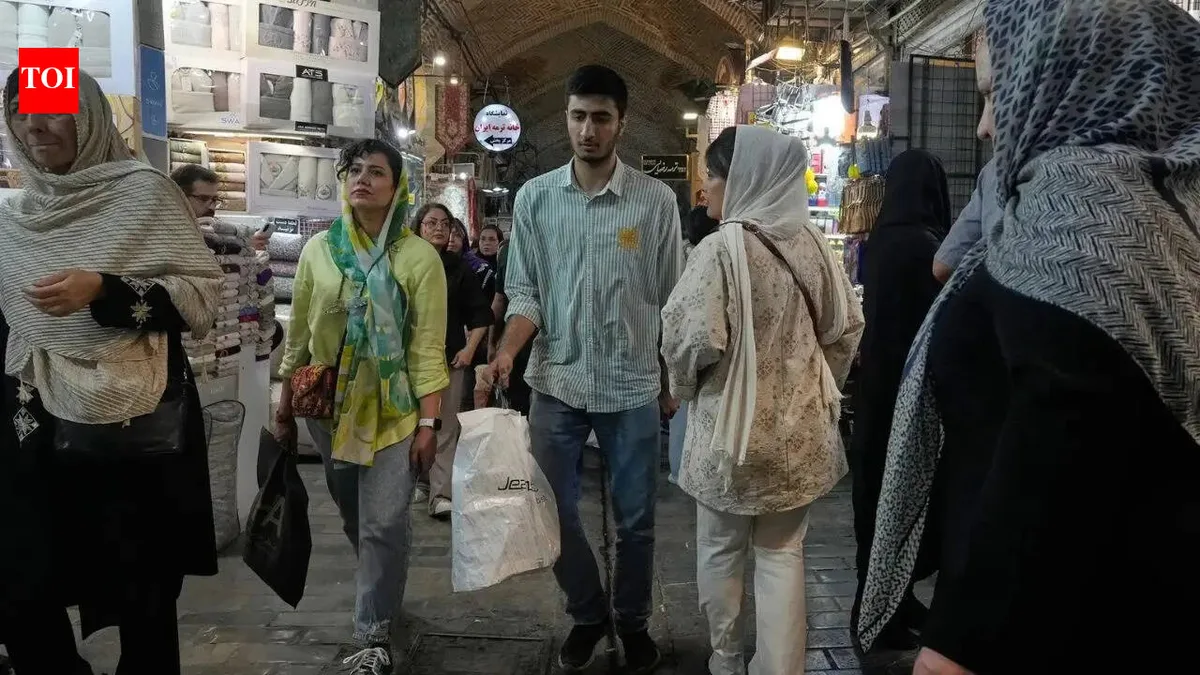
Iran's annual inflation surged to 77.2% year-on-year in May 2026, the highest level since World War II, fueled by ongoing war, international sanctions, and poor economic management [1]. Monthly inflation between April and May 2026 alone rose 8.5%, with prices for basic necessities soaring 113.8% year-on-year [1]. The Iranian rial collapsed further, trading at over 1.7 million rials to the US dollar, down from around 32,000 rials per dollar in 2015 [1].
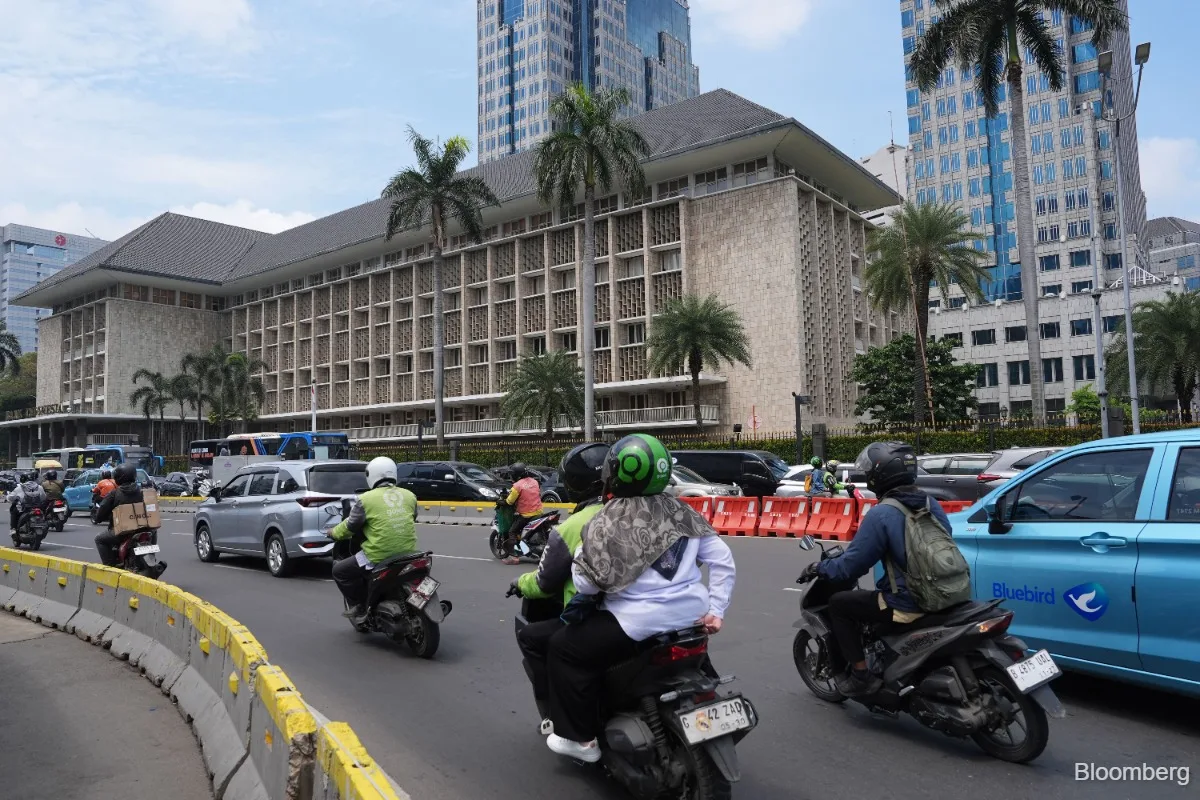
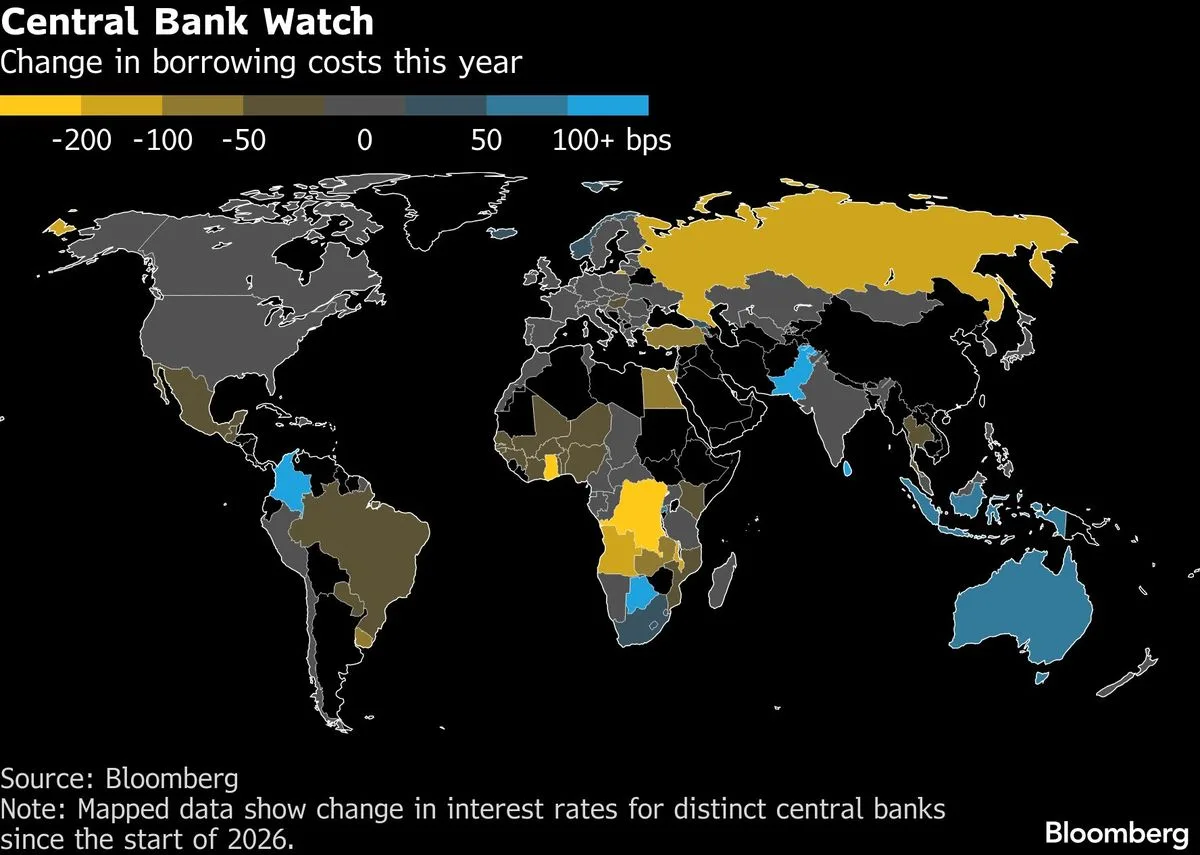
The war in Iran has severely disrupted key shipping routes through the Strait of Hormuz, a crucial passage for global oil, liquefied natural gas, and fertilizer exports. These interruptions have contributed to inflation pressures worldwide [2]. In response, at least 10 emerging- and frontier-market central banks, including those in Indonesia, Rwanda, South Africa, and Sri Lanka, have raised interest rates since late February 2026 to combat rising inflation linked to the conflict. Lauren van Biljon, senior portfolio manager at Allspring Global Investments, said these moves reflect policymakers’ desire to "keep hard-won credibility intact" [2]. Developed economies like the US, Euro area, Japan, and Canada have held interest rates steady, though Norway and Australia have implemented recent hikes [2].
Iranian President Masoud Pezeshkian acknowledged the rising prices in May 2026, stating, "We will definitely have higher prices. We are fighting and we must accept this hardship" [1]. The rapidly worsening economic situation is raising fears of new anti-government protests after prior unrest spurred by inflation and currency collapse in recent years [1].
Since late February 2026, emerging-market central banks have continued tightening monetary policy, with Indonesia, Rwanda, South Africa, and Sri Lanka implementing rate increases as recently as early June [2]. These actions show a sustained effort to control inflation amid ongoing geopolitical and economic turmoil.
Iran’s economic challenges are expected to persist in the near term as the conflict and sanctions continue to impact the country’s financial stability and living costs for ordinary citizens.