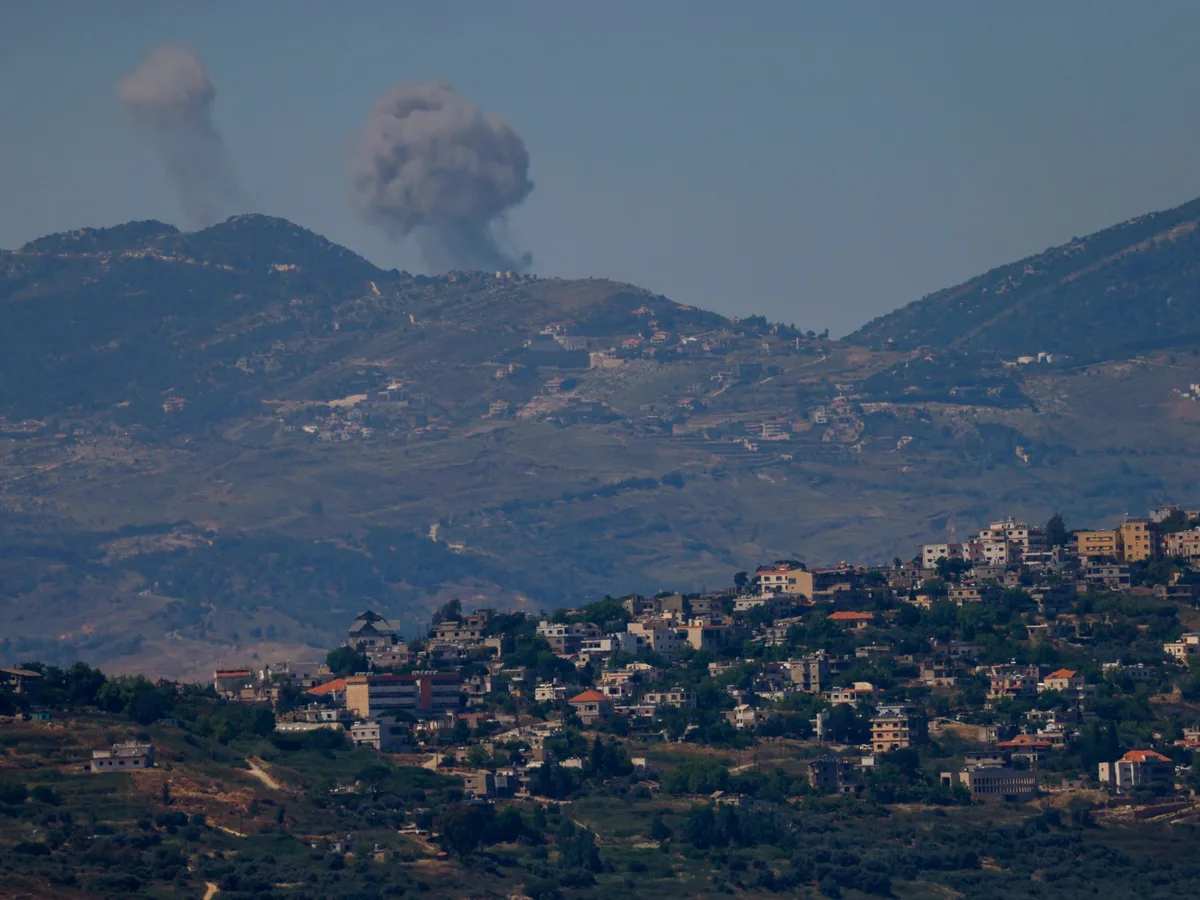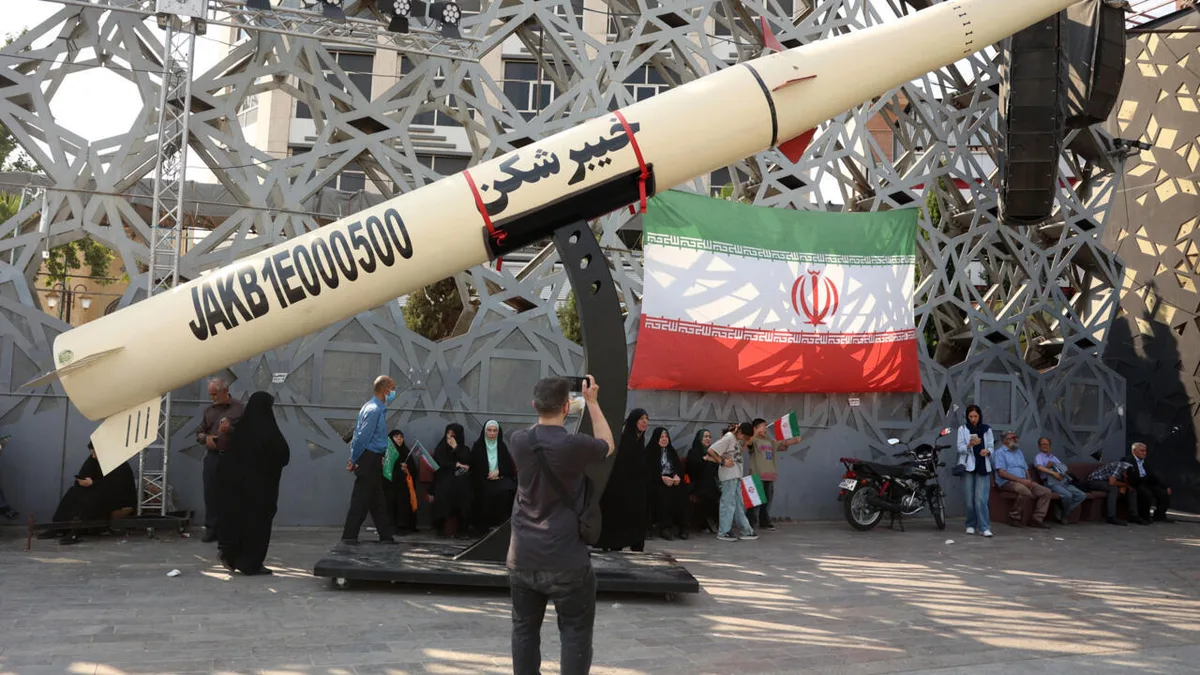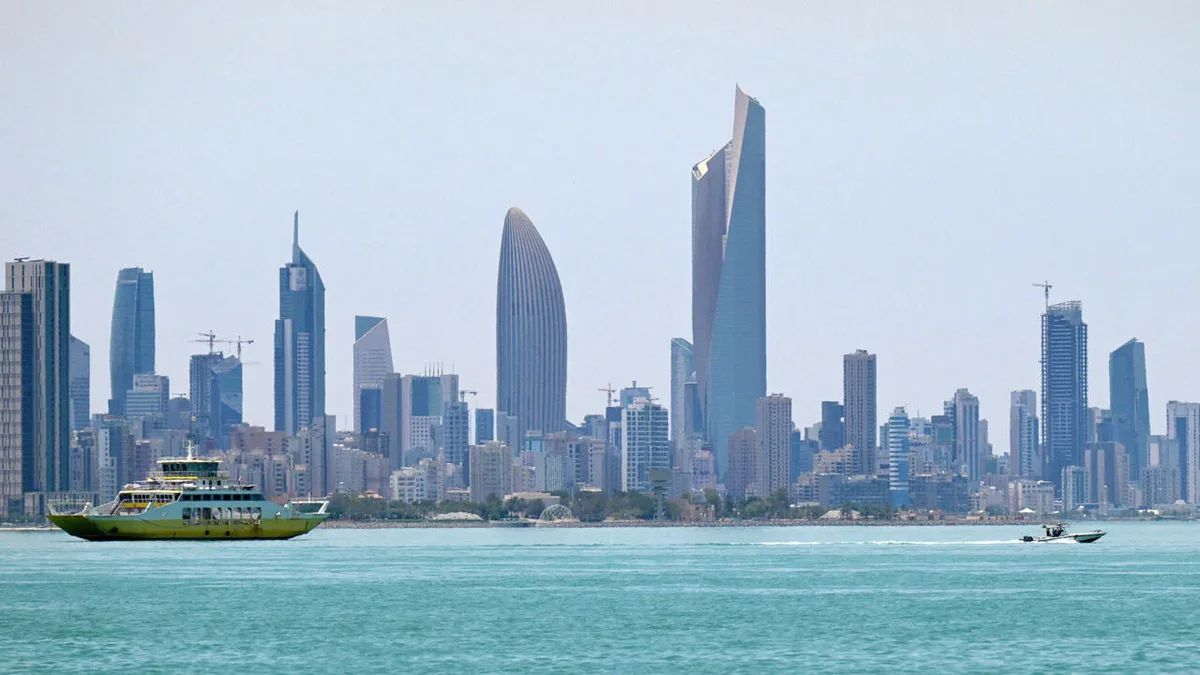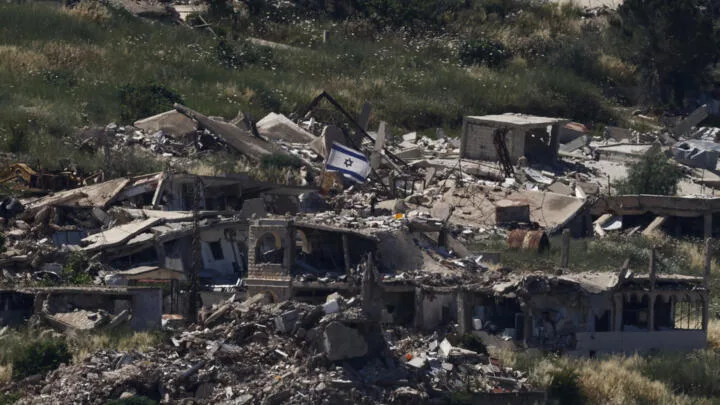
Iran launched seven ballistic missiles targeting Kuwait and Bahrain between June 5 and 6, 2026, amid rising tensions in the Middle East [1, 2, 3, 4, 5, 6]. The missiles aimed at bases hosting US forces, including Ali Al Salem Air Base in Kuwait and the US Navy Fifth Fleet headquarters in Bahrain [1, 2, 3, 6]. Iran’s Islamic Revolutionary Guard Corps said the strikes targeted “enemy bases” and US military sites [1, 2, 3, 6].
US and Gulf air defenses intercepted six of the seven missiles; one fell short or failed to reach its target [1, 2, 4, 5, 6]. Bahrain's Defense Force reported shooting down three missiles [7]. In addition to the missiles, Iran fired four drones toward the Strait of Hormuz, all of which were destroyed by US forces [2].
The US military responded with strikes on Iranian coastal surveillance radar sites on Goruk and Qeshm Island shortly after the missile and drone attacks [2, 4, 5, 6]. Al Jazeera quoted a reporter saying Iran warned that US aggression "will not go unanswered, and that it will retaliate forcefully and immediately" [2].
Bahrain condemned the attacks as "blatant aggression" and a "flagrant violation of the sovereignty" of Bahrain and Kuwait [8]. Kuwait called the attacks a "highly dangerous escalation" aimed at neighboring states that undermines de-escalation efforts and inflames regional tensions [7]. Reem, an Egyptian mother in Kuwait, described waking "to a huge explosion," saying her children were terrified and she struggled to calm them [4].
Iranian Foreign Minister Abbas Araghchi dismissed suggestions that Supreme Leader Ali Khamenei would meet former US President Donald Trump, urging a realistic stance amid ongoing indirect talks seeking sanctions relief, access to frozen Iranian assets, and lifting of the US blockade [1, 2, 5]. The US Treasury is considering using frozen Iranian funds to compensate Gulf allies for Iranian-caused damage [5].
Since April 8, a fragile ceasefire has been in place in the wider Middle East conflict but marked by sporadic flare-ups such as these missile strikes [4, 5]. Lebanese President Joseph Aoun urged Iran to avoid interference in Lebanon and called for diplomacy to resolve violence with Israel [1].
Bahrain and Kuwait formally condemned the missile strikes on June 6, reaffirming their sovereignty and security commitments to US forces stationed in their countries [8, 7].