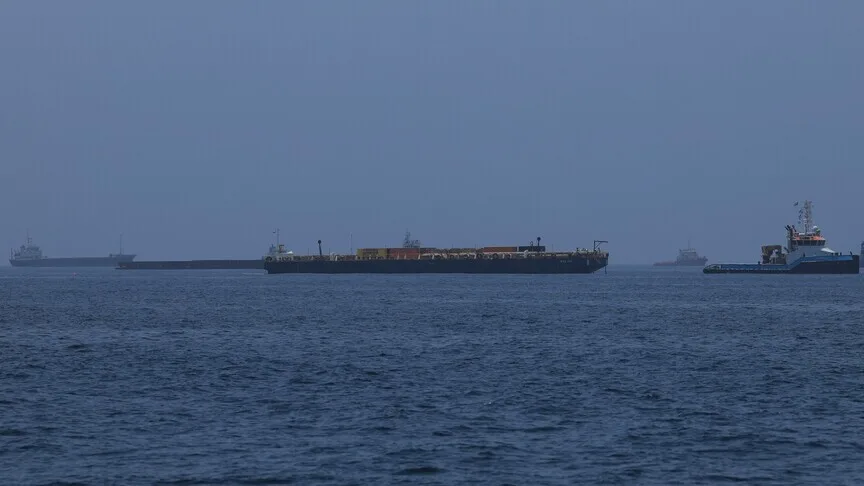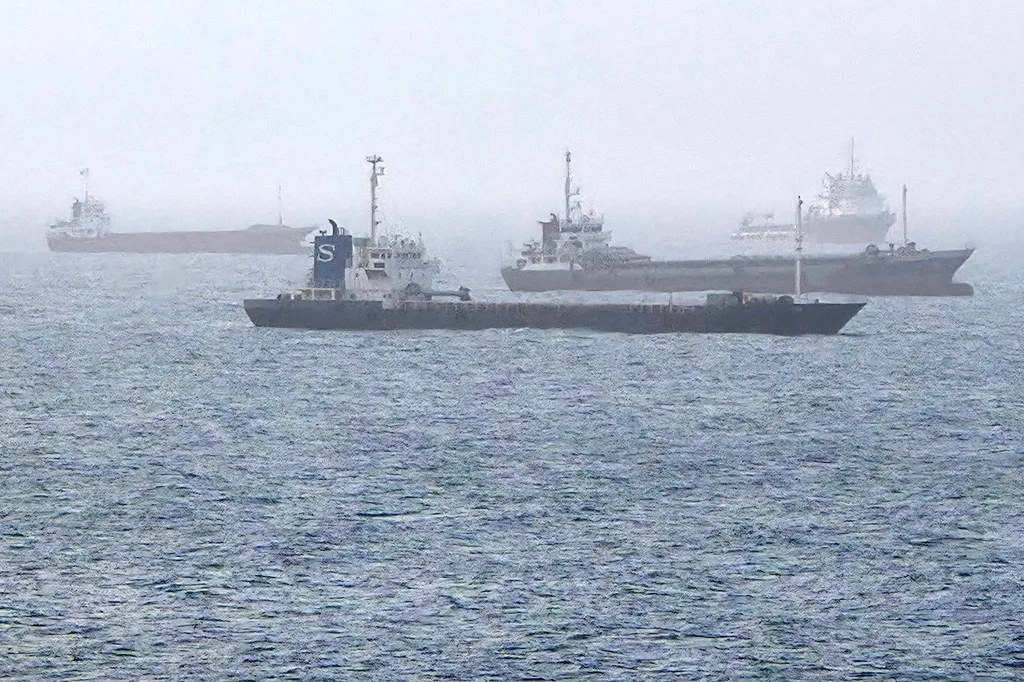
Iran's Islamic Revolutionary Guard Corps (IRGC) Navy intercepted six vessels on July 26 attempting to transit the southern part of the Strait of Hormuz via routes not approved by Iranian authorities [1, 2, 3, 4]. The IRGC fired warning shots before forcing the vessels to turn back or change course [1, 2, 3].
One of the six vessels reportedly switched off its navigation equipment and was involved in an unspecified incident, though reports vary on the details. Some sources say five vessels were redirected to the Persian Gulf while one had the incident after disabling navigation systems [2, 4]. Others did not provide details of this event but confirmed the interception and redirection efforts [1, 3].
This event followed a similar interception by the IRGC on the previous day, July 25, when four vessels attempting unauthorized crossings were stopped after warning shots were fired [1, 2, 3].
Also on July 26, an unidentified oil tanker struck a mine in the Strait of Hormuz and exploded after allegedly straying from Iran’s designated shipping route, according to reports [1].
Iran maintains that all vessels must transit through a designated controlled channel in the Strait [3]. The United States has called for unrestricted passage through the waterway [3].
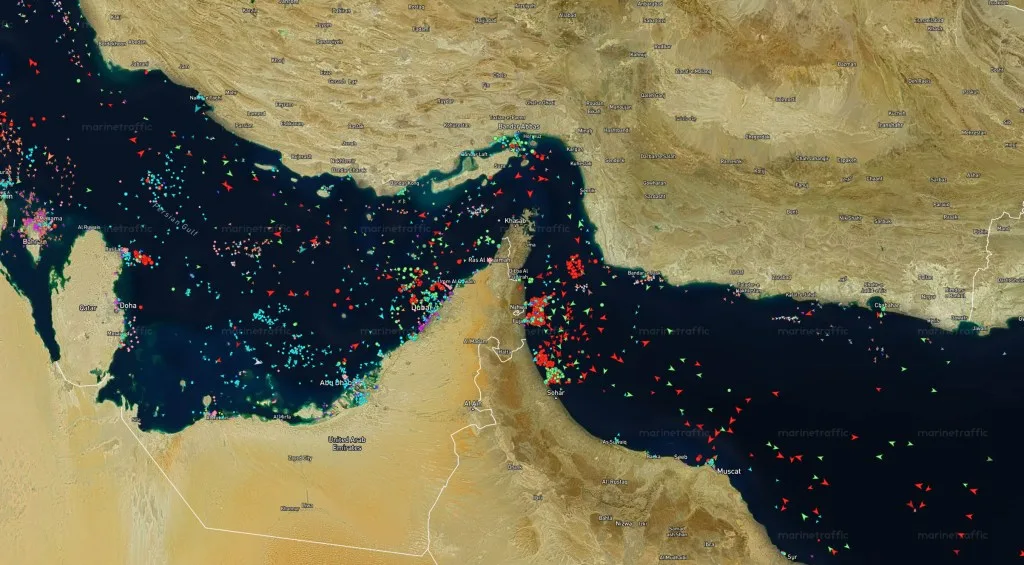
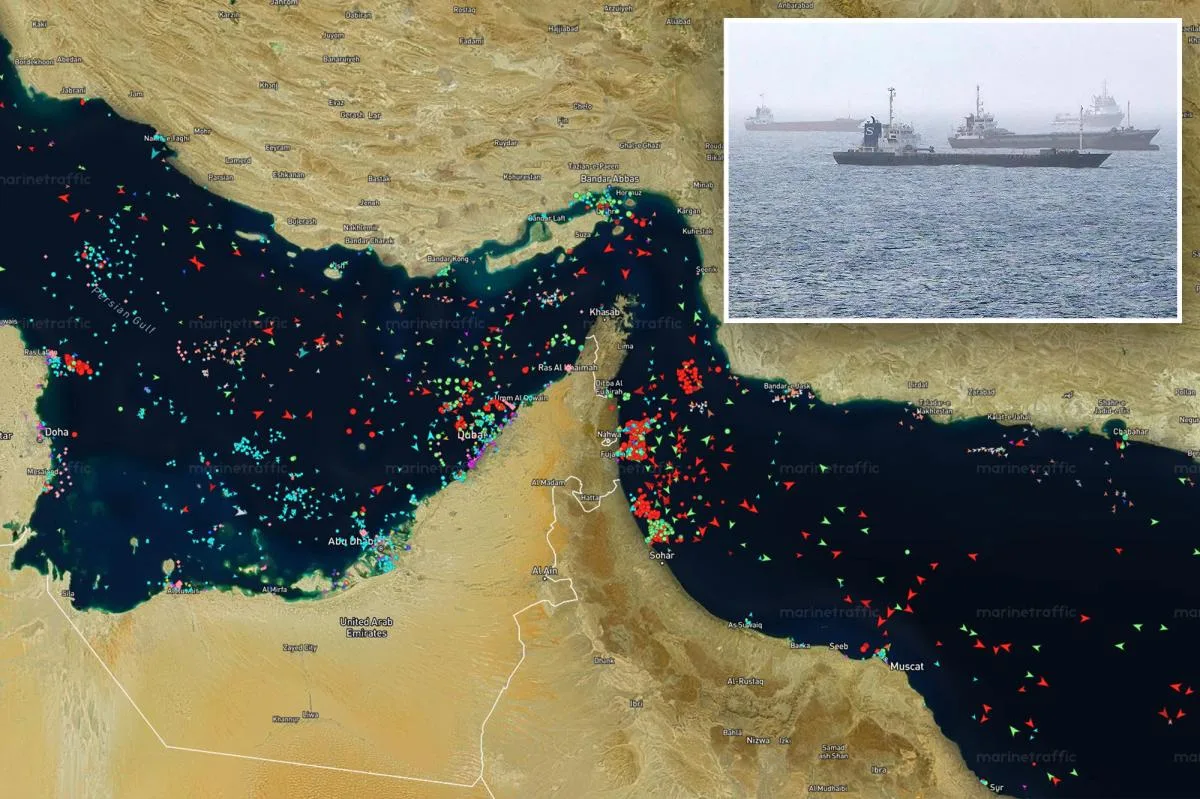
Traffic through the Strait of Hormuz has fallen by approximately 70% since early July amid ongoing regional tensions and the breakdown of a ceasefire agreement [1]. The latest interceptions and security incidents appear to have contributed further to the sharp reduction in maritime traffic.
The IRGC Navy's actions on July 26 mark the continuation of heightened enforcement of Iran's control over shipping routes in the Strait. Monitoring of vessel movements in the area is expected to continue amid the ongoing security concerns.