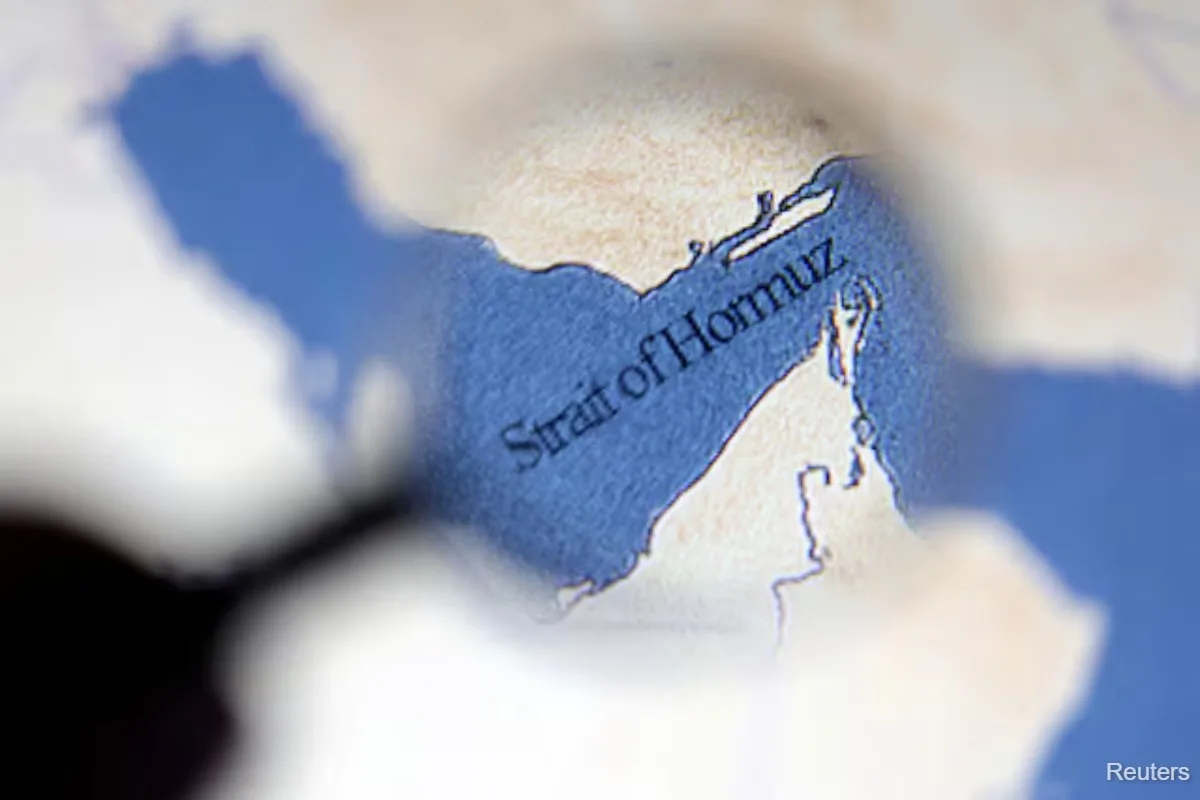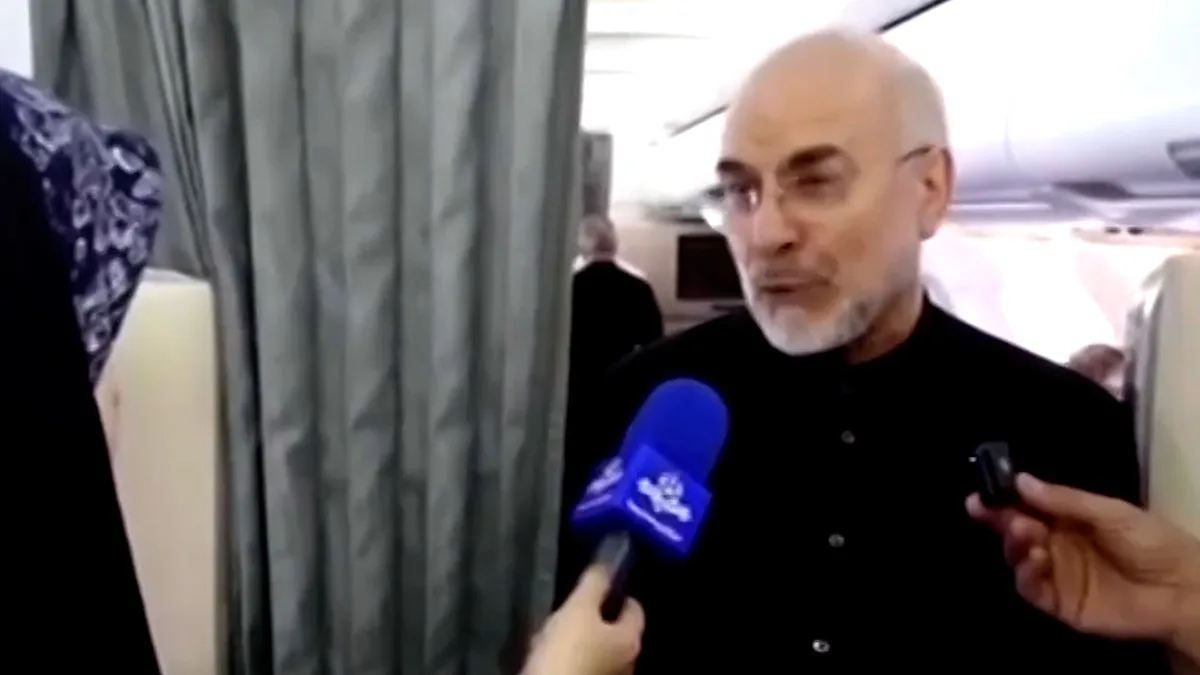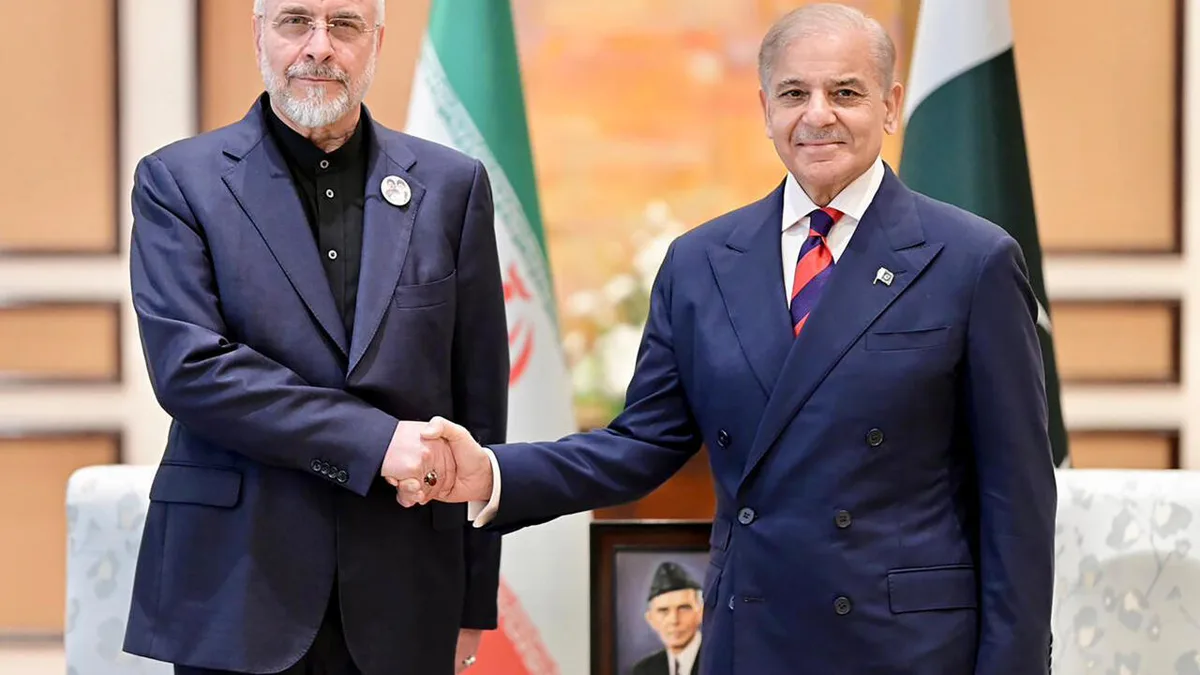
Iran's chief negotiator Mohammad Bagher Ghalibaf said the Strait of Hormuz will be administered by Tehran following an agreement reached in talks with the United States, stressing it will be under international law. He stated, "The Strait of Hormuz will never return to its pre-war conditions and will be administered by the Islamic Republic of Iran, in accordance with international law" [1, 2, 3, 4].
On June 22, 2026, Iran and the US agreed to establish communication lines to keep the Strait of Hormuz open and to end fighting in Lebanon. This deal followed weeks of regional conflict including a US-Israeli war that initially led Iran to close the strait, a vital oil shipping lane connecting the Persian Gulf [1, 2, 4].
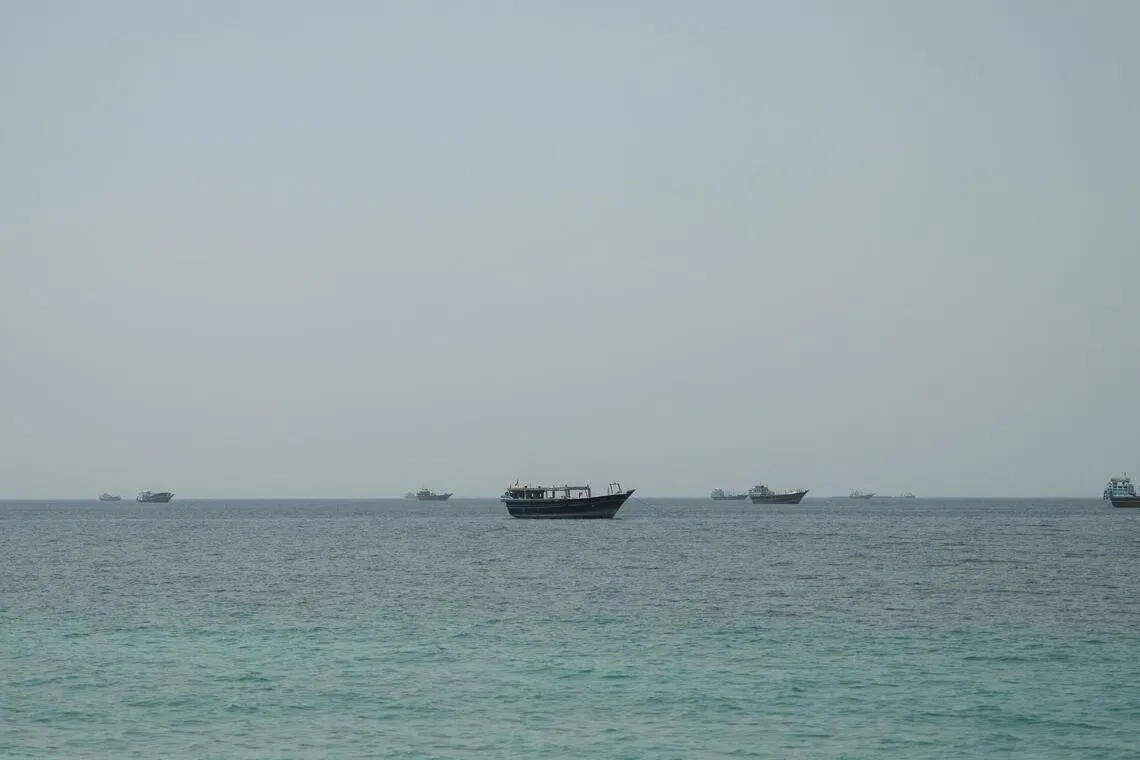
Iran had closed the strait on June 20 in response to Israeli attacks in Lebanon after reopening it briefly last week. Following the agreement, maritime traffic resumed on June 22 and 23 at a faster pace than before talks began, signaling a tentative easing of tensions [1, 2, 4].
The United States temporarily suspended sanctions on Iranian oil on June 22 after Iran agreed to allow UN nuclear inspectors to return. As part of the deal, Iran is set to receive some sanctions relief and the unfreezing of assets [1, 2, 3, 4].
Ghalibaf said the talks took place at the Swiss resort of Burgenstock and yielded "good achievements, especially regarding the discussion of the Strait, the Lebanon discussions, the question of oil waiver, and the matter of releasing the frozen funds." He added, "Of course, we believe we are still at the beginning of this work and must continue our efforts" [1, 2, 4].
On his return from the talks, Ghalibaf made a stop in Oman, an important regional player that shares the Strait of Hormuz [1, 2, 4].
The agreement's communication lines and sanctions pause were reached on June 22, 2026. Maritime traffic rates through the strait in the following days indicate a stabilizing situation after weeks of disruption [1, 2, 4].