Iran has executed at least 32 political prisoners since February 28, 2026, according to United Nations verification, marking a sharp rise in politically motivated death sentences amid internal unrest and war [1, 2, 3]. The surge follows US and Israeli attacks on Iran earlier that month.
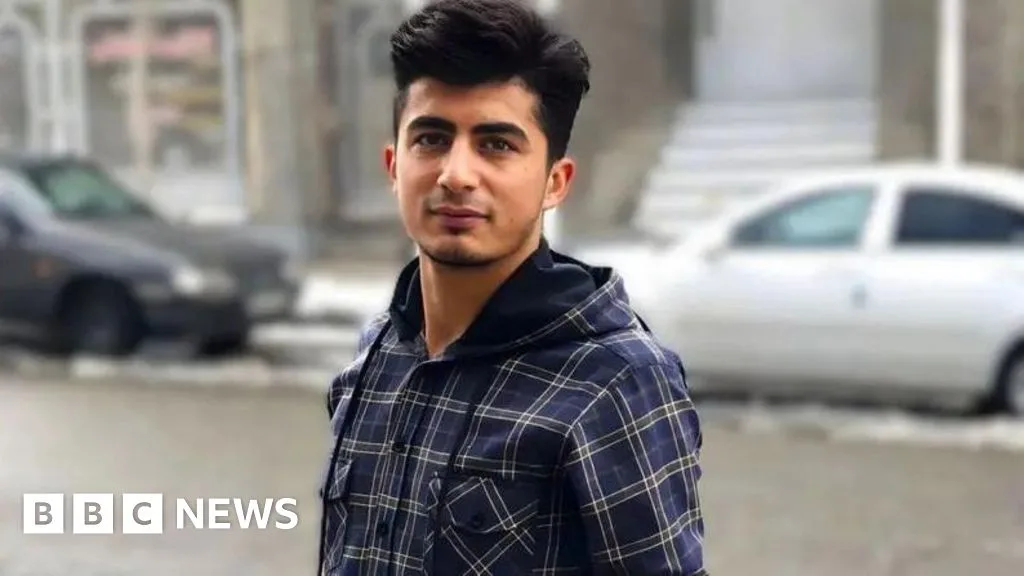
Mehrab Abdollahzadeh, arrested in 2022 during nationwide protests sparked by Mahsa Amini's death, was executed in early May after nearly four years on death row [1, 2, 3]. He told his family before his execution: "From the very first day of my arrest, they forced confessions out of me through torture and threats, confessions that were entirely false. None of the charges against me are true" [1]. Abdollahzadeh said those facing death wait anxiously day and night, finding only limited rest after 1 a.m. [2].
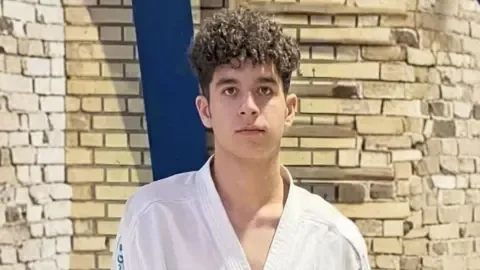
Another recent execution on May 11 involved 29-year-old Erfan Shakourzadeh, an aerospace engineering graduate accused of spying for Israel and the US [2, 3]. Sasan Azadvar, a 21-year-old karate champion, was also executed in connection to participation in violently suppressed January protests [2, 3].
Amnesty International reported 45 politically motivated executions in Iran for all of 2025, a year when the country carried out 2,159 executions overall, the highest since 1989 and mostly for drug or murder-related crimes [1, 2, 3]. According to the UN Human Rights Office, Iran increasingly uses the death penalty to silence political dissent [1, 2, 3]. Amnesty noted Iranian authorities generally hang prisoners at dawn and announce some executions publicly, though many occur in secret [1, 2, 3].
Human rights organizations say confessions are often obtained under torture and trials lack transparency or fair process [2, 3]. Aywar Shekhi from the Hengaw human rights group said the regime "systematically represses people by arbitrarily accusing dissidents and critics of being 'Israeli spies' without credible evidence or fair trial guarantees" [2]. Kurdish minorities appear disproportionately targeted by death sentences and executions [2, 3].
Kaveh Kermanshahi of the Kurdistan Human Rights Network said authorities are using executions to "rebuild authority after the January protests and war damaged their image" and to show "I am still here, still in control" [2]. Iranian judiciary spokesman Gholamhossein Mohseni-Ejei publicly rejected international criticism of the January executions on April 30, declaring the courts "will not be influenced by international criticism" [2].
The increased use of capital punishment follows violent crackdowns on January protests, in which 14 of those executed in 2026 were arrested, and an escalation in conflict with external powers [1, 2, 3]. The surge reflects Tehran’s strategy to suppress dissent during a period marked by war, protests, and political instability. Abdollahzadeh’s execution after 42 months on death row underscores the ongoing crackdown [1, 2, 3].