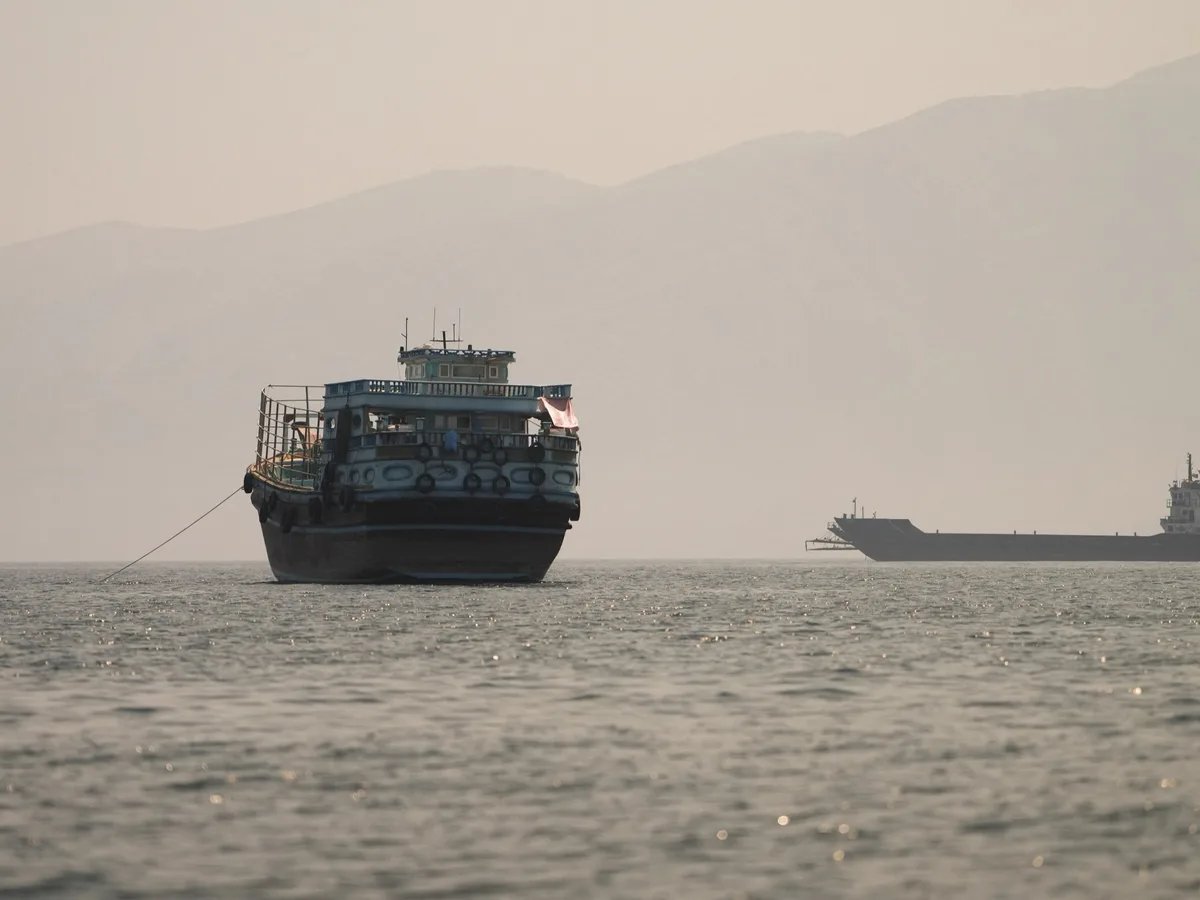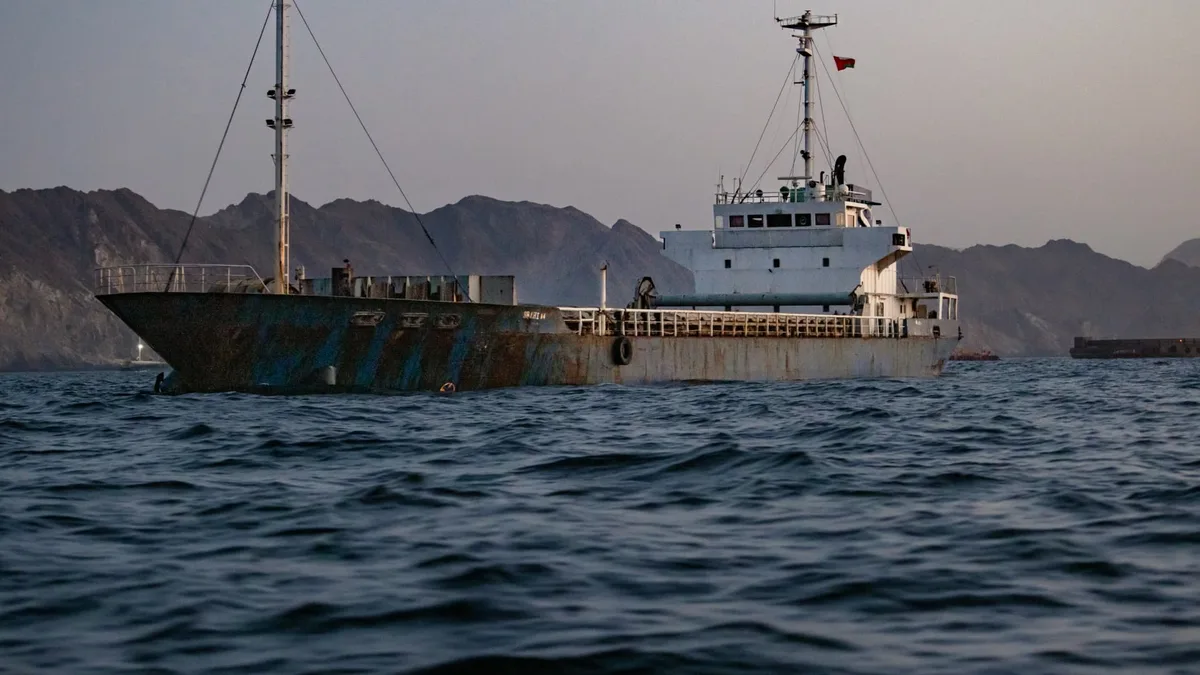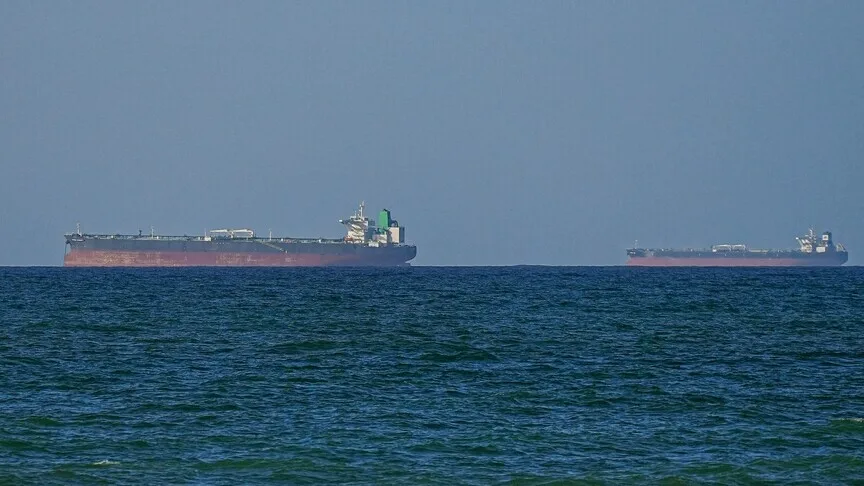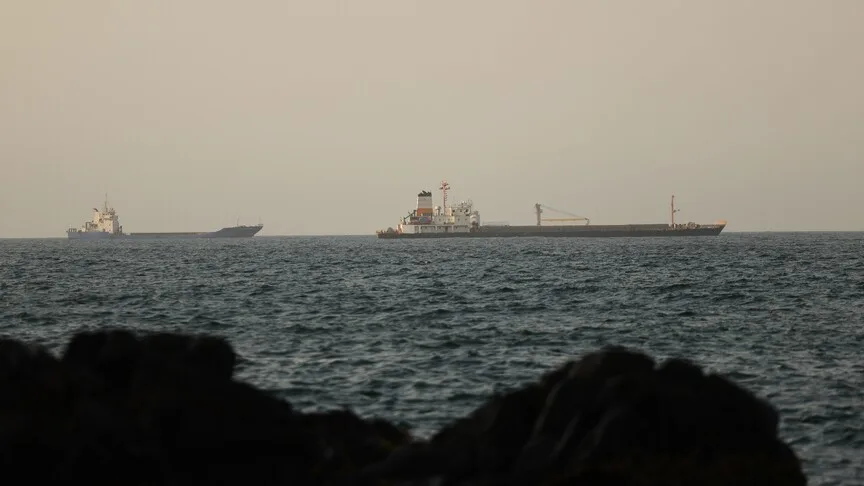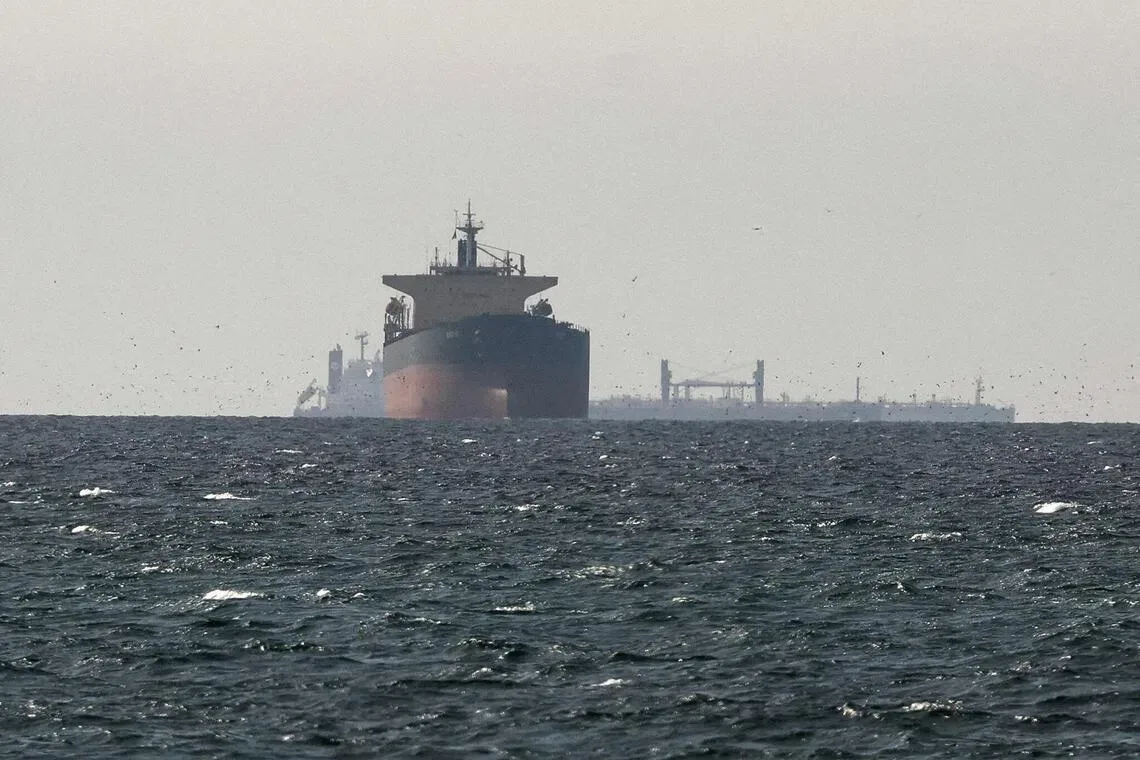
Iran’s Islamic Revolutionary Guard Corps (IRGC) issued warnings on June 25 and 26 that only routes designated by Iran are authorized for passage through the Strait of Hormuz. The IRGC said vessels navigating outside these routes face danger, are prohibited, and may be turned back or subject to other actions [1, 2, 3, 4]. "The only authorised route for passage through the Strait of Hormuz is the route announced by the Islamic Republic of Iran," the IRGC Navy stated. "Navigation outside these routes is highly dangerous and prohibited, and we warn all vessels to strictly avoid any movement outside the designated corridors" [2].
On June 26, Iran turned back three foreign oil tankers that attempted transit through an unauthorized southern corridor near Omani waters without coordination with Tehran [4]. This southern corridor, viewed by some international maritime groups as safe and clear of mines, is rejected by Iran as unauthorized, illegal, and unsafe without Iranian coordination [2, 3, 5, 6, 4]. Al Jazeera’s Resul Serdar reported that the Revolutionary Guards are frustrated because this new route bypasses IRGC control over the strait [3].
Iran’s Deputy Foreign Minister Kazem Gharibabadi emphasized Tehran's stance, saying, "Safe passage in the Strait of Hormuz cannot be guaranteed with ambiguous arrangements, parallel routes, or decision-making outside Iran's considerations as a coastal state" [6].
Iran plans to impose maritime service fees for strait passage, which it distinguishes from tolls, while the United States rejects any tolls or fees since the Strait of Hormuz is an international waterway [1, 3]. The U.S. and Iran signed a memorandum of understanding (MOU) electronically on June 17 allowing free commercial ship transit through the strait for 60 days starting June 18 [1, 5, 6].
Traffic levels through the Strait of Hormuz remain below pre-war figures. Authorities reported 93 transits during the weekend of June 19-21 and 31 verified crossings on June 23, involving cautious use of Iranian, Omani, and International Maritime Organization routes [2]. On June 23, Iran and Oman announced plans to study costs to charge for services related to managing the strait’s administration [1].
Shipowners are advised to coordinate closely with Iranian authorities and use the routes designated by Iran. Unauthorized transit attempts, particularly via the southern corridor near Oman, will be rejected or turned back, as shown on June 26 [2, 3, 5, 4]. The 60-day MOU period allowing free commercial passage between the U.S. and Iran, signed on June 17, will continue through mid-August [1, 5, 6].