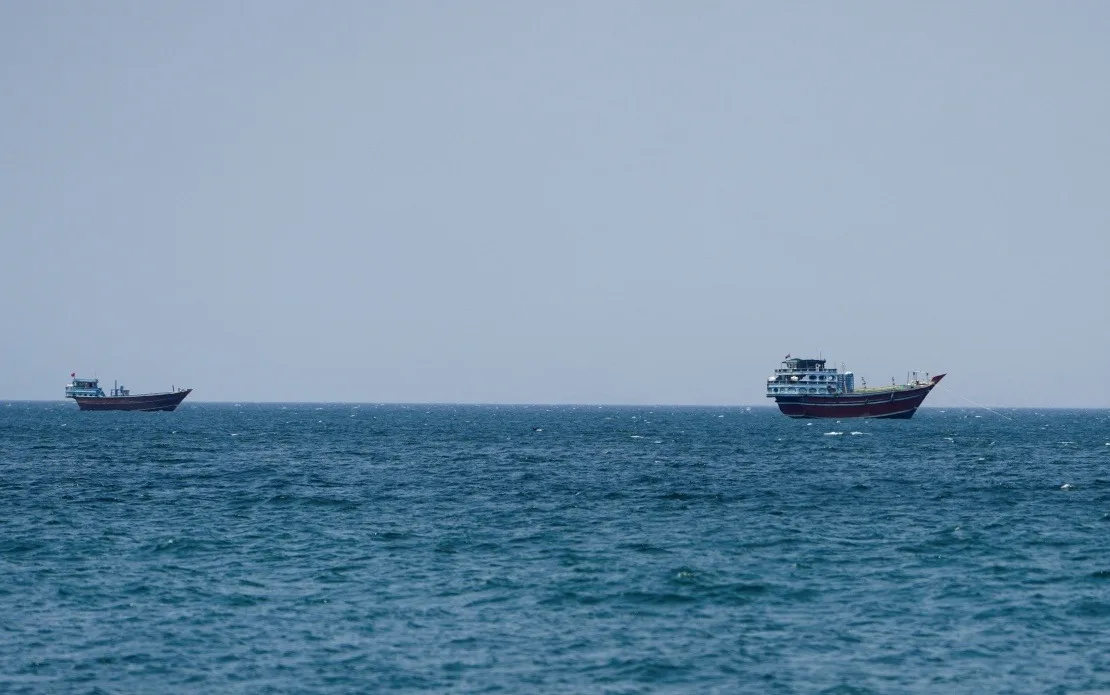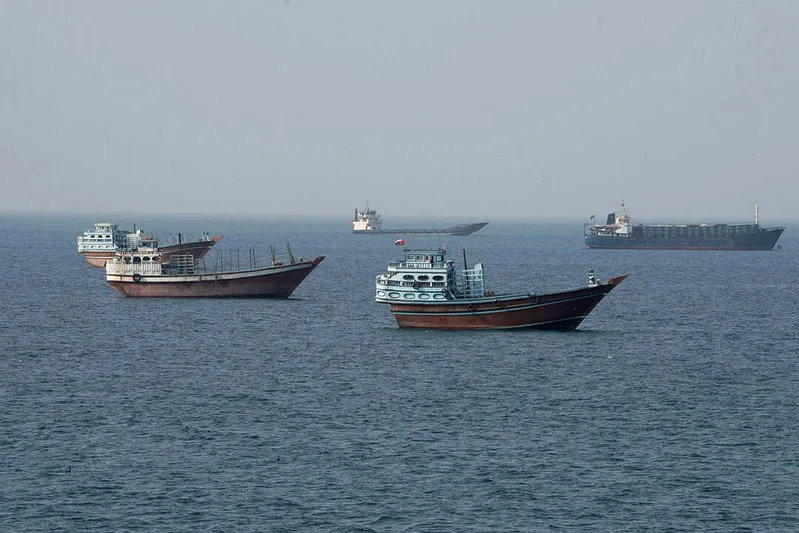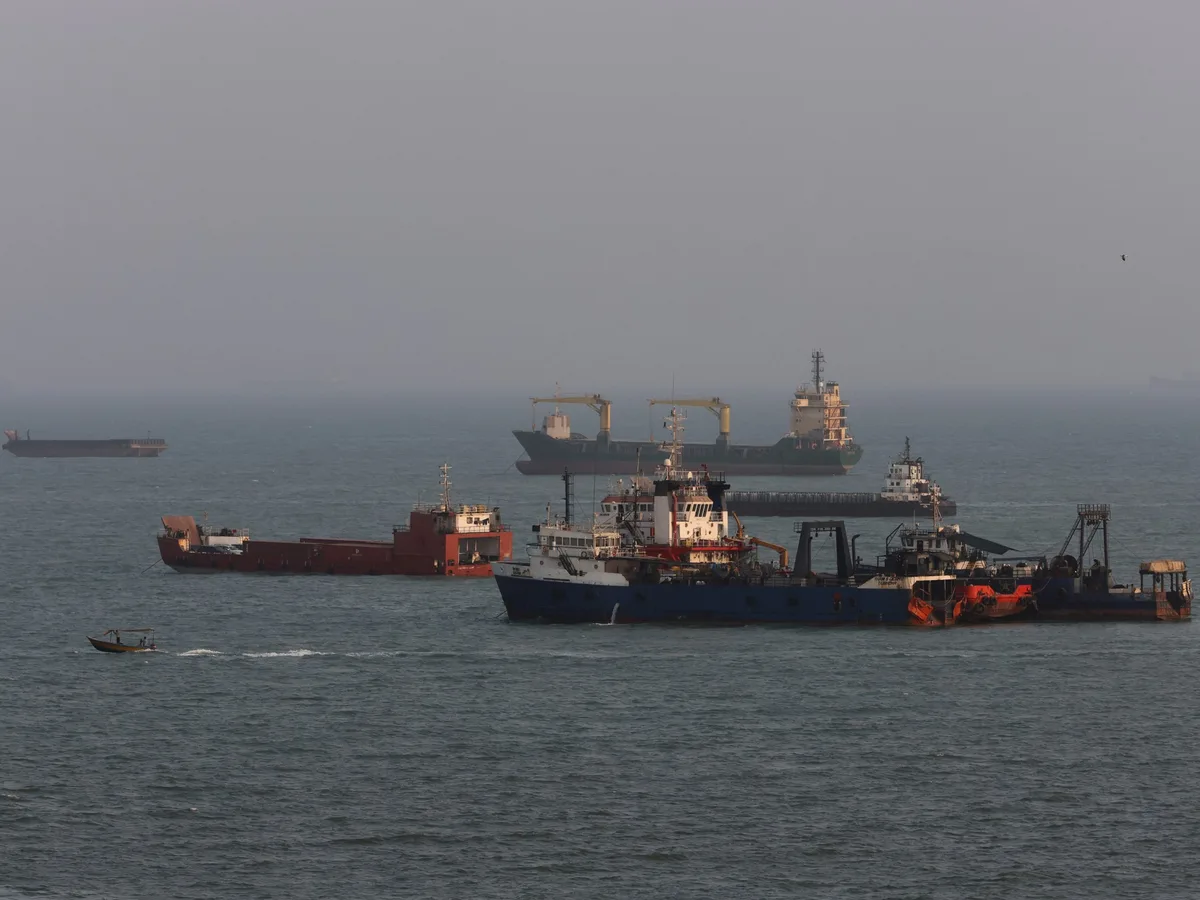
Iran’s National Security and Foreign Policy Committee approved a draft law provision to charge fees for services such as navigation, environmental care, fuel supplies, insurance, and security for ships passing through the Strait of Hormuz on August 23-24, 2026 [1, 2, 3, 4]. Committee spokesperson Hassan Qashqavi said the fees will be collected from vessels belonging to countries permitted to transit the strait and must be paid in Iranian rials or other currencies designated by Tehran [1].
The draft legislation recognizes freedom of maritime navigation under international law but emphasizes respect for the security, sovereignty, and rights of coastal states bordering the strait, according to Qashqavi [2]. The bill, which forms Article 3 of the Strategic Action Plan to Ensure Security and Development of the Strait of Hormuz, was approved after prior delays [1, 2]. For the fees to become law, the full parliament must debate and approve the bill, then the Guardian Council must review its constitutionality before presidential promulgation [1, 2, 3, 4].
On the same day, Iran’s Persian Gulf Strait Authority (PGSA) announced a blacklist of 45 or 46 ships violating Iranian regulations for passage through the strait, threatening fines, detention, seizure or confiscation [5, 6, 7]. The blacklist includes vessels from at least 17 countries, notably Liberia and Marshall Islands flag states, as well as companies from the UAE, Saudi Arabia, India, Greece, and South Korea [5, 4]. The PGSA warned shippers to check the blacklist to avoid disruptions, noting commercial interactions like ship-to-ship transfers with blacklisted vessels could lead to inclusion on the list [5, 7].
These measures come amid heightened tensions between the US and Iran since February 2026. The US has rejected Iran’s fee plans, emphasizing freedom of navigation. US Treasury Secretary Scott Bessent said Washington aims to "sever every economic lifeline" sustaining Tehran through economic measures [8, 3].
Iran had previously proposed charging fees ranging from 5% to 7% of cargo value, while Oman reportedly considered a lower fee around 3% [4]. The next step in Iran’s process is full parliamentary debate on the draft law, with hearings anticipated in the coming weeks [1, 2].